Prague religious history is not simply a story of churches, cathedrals and ancient traditions. It is a story of competing beliefs, political power, religious persecution and the people who refused to abandon their convictions. For centuries, faith influenced who ruled Bohemia, how its people understood their identity and which buildings became symbols of authority.
The city’s past includes the rise of Christianity, the reform movement of Jan Hus, the Hussite Wars, the long-standing Jewish community and the Catholic transformation that followed the Battle of White Mountain. Later, communist rule restricted religious institutions, while modern Czech society became one of Europe’s most secular.
Understanding the story behind these landmarks is the best way to appreciate Prague religious history and the forces that shaped the city.

Prague Religious History at a Glance
Before exploring each period, here are the dates that help make sense of the city’s religious development:
| Date | Event | Why it matters |
|---|---|---|
| 973 | Prague Bishopric established | Christianity gained a formal institutional centre in Bohemia |
| 1344 | Prague became an archbishopric | The city’s religious importance increased |
| 1348 | Charles University founded | Prague developed into a major centre of Christian learning |
| 6 July 1415 | Jan Hus executed | His death intensified the reform movement |
| 30 July 1419 | First Defenestration of Prague | Religious and political tensions erupted into rebellion |
| 30 May 1434 | Battle of Lipany | The radical Hussite phase came to an end |
| 23 May 1618 | Second Defenestration of Prague | The Bohemian Revolt began |
| 8 November 1620 | Battle of White Mountain | Habsburg Catholic rule was strengthened |
| 1620s–1700s | Catholic recatholicization and Baroque transformation | Religious policy and architecture reshaped Prague |
| 25 February 1948 | Communist takeover | Religious institutions faced state restrictions |
| 1989–1990 | Velvet Revolution and subsequent reforms | Communist rule ended and religious freedom was restored |
| Affiliate Disclosure: This article contains affiliate links, including links to Tiqets. If you book through these links, PraguePeek may earn a commission at no additional cost to you. Your support helps us continue creating useful Prague travel guides. |
Early Christianity in Prague: The Foundations of Its Religious History
Over time, Christianity spread through the Bohemian lands, long before Prague became the powerful capital of a kingdom. During the early medieval period, rulers and missionaries helped establish Christian institutions, while churches and monasteries became important centres of worship, education and political influence.
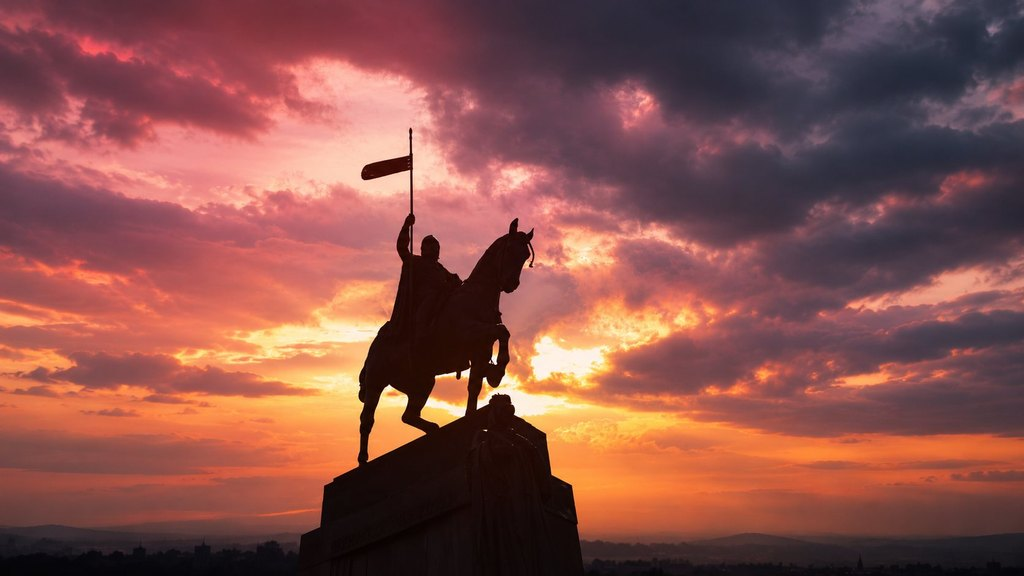
Meanwhile, the Přemyslid dynasty played a central role in this transformation. Prince Bořivoj and his wife Ludmila are traditionally associated with the early Christianisation of Bohemia. Their grandson, Wenceslas, later became one of the most important Christian figures in Czech history. People later venerated him as a saint, and he became the country’s patron saint.
Prague Castle developed into an important religious centre. The ruling dynasty established churches within and around the castle complex, connecting Christian worship with its authority. The early Church of the Virgin Mary, traditionally dated to the late 9th century, was among the first known Christian buildings at the site.
A major institutional milestone came in 973, when the Prague Bishopric was established. This gave the city a formal ecclesiastical structure and strengthened its position within the Christian world.
The bishopric connected Bohemia more closely with the wider Latin Church. It also gave church leaders an increasingly important role in administration, education and public life.
These developments established the foundations of Prague’s Christian heritage.
Charles IV and the Growth of Prague’s Religious Influence
The 14th century transformed Prague from an important medieval city into one of the leading political and religious centres of Central Europe.
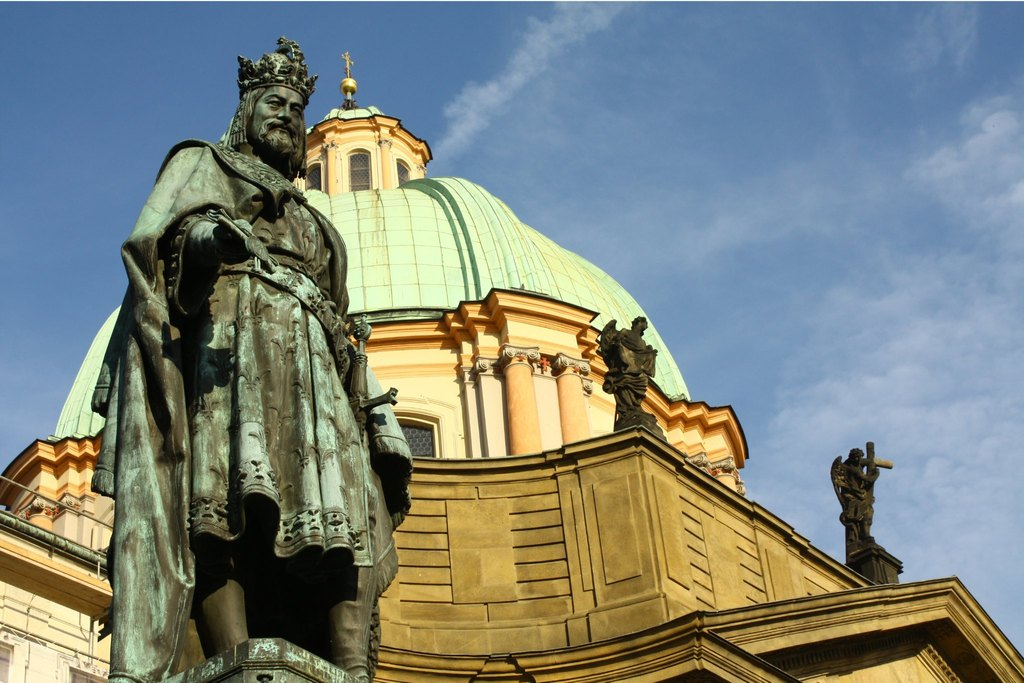
The reign of Charles IV was particularly important. As King of Bohemia and Holy Roman Emperor, he invested heavily in Prague and wanted the city to reflect the prestige of his empire.
In 1344, Pope Clement VI elevated Prague’s bishopric to an archbishopric, giving the local church greater independence and authority. The first archbishop, Arnošt of Pardubice, became an influential figure in the religious and political life of Bohemia.
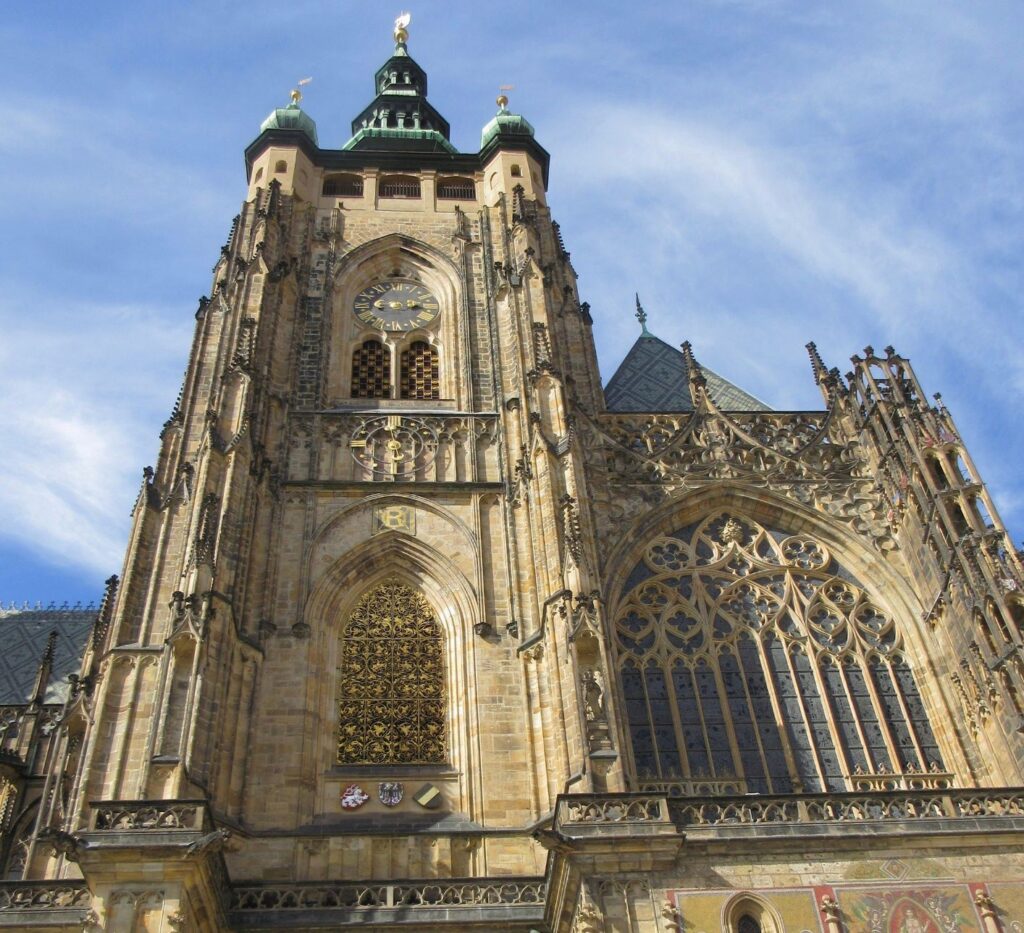
Charles IV also initiated the construction of St. Vitus Cathedral in 1344. He envisioned it as a major religious center, a royal coronation church and a place connected with the veneration of St. Wenceslas. Its construction continued for centuries, finally reaching completion in 1929.
Another major development followed in 1348, when Charles IV founded Charles University. It was the first university in Central Europe and quickly became an important centre for theology, philosophy, law and other academic disciplines.
As a result, the university strengthened Prague’s intellectual life and created an environment in which religious ideas could be discussed, challenged and developed. This would become especially important in the following century, when criticism of the Church gained considerable influence.
This period became one of the defining chapters in Prague religious history, as the city developed into a major centre of Christian learning and ecclesiastical authority.
To understand the wider legacy of Charles IV’s reign, explore Prague Castle and its history, including the cathedral and the royal buildings that developed around it.
Jan Hus and the Hussites: A Turning Point in Prague’s Religious History
Few individuals changed the religious direction of Bohemia as profoundly as Jan Hus.
Hus was a Czech priest and university preacher who became known for criticising corruption within the Catholic Church. He called for reform and argued that church leaders should follow Christian principles rather than pursue wealth and political influence.
He preached at Bethlehem Chapel in Prague, where his sermons attracted large audiences. His ideas spread among students, clergy and ordinary residents, making the city an important centre of religious reform.
The English theologian John Wycliffe influenced Hus, although Hus’s movement developed within the specific political and religious circumstances of Bohemia. He was not a Protestant, as the Protestant Reformation began later in the 16th century. However, his criticism of church practices anticipated some of the questions that would become central to later reform movements.
The Execution of Jan Hus
The conflict between Hus and church authorities intensified. He was summoned to the Council of Constance, where he was tried for heresy.
On 6 July 1415, authorities at the Council of Constance burned Jan Hus at the stake in Constance, in present-day Germany.
His death shocked his supporters in Bohemia. However, rather than ending his influence, it turned him into a symbol of religious conviction and resistance to authority.
The Hussite chalice became one of the movement’s most recognisable symbols. It represented the demand that ordinary laypeople should receive both bread and wine during communion, a practice known as communion in both kinds. Hus’s followers, particularly Jakoubek of Stříbro, promoted the idea in Prague in 1414. Hus later supported the practice from prison.
Today, visitors can explore the historic setting of these events through our guide to Old Town Square and Prague’s historic squares.
The First Defenestration and the Hussite Wars
Religious tensions soon became political violence.
On 30 July 1419, Hussite supporters stormed Prague’s New Town Hall and threw several town councillors from its windows. This event became known as the First Defenestration of Prague.
The incident helped trigger the Hussite Wars, a series of conflicts between Hussite forces and their opponents. The movement was not united. Different groups disagreed about how far reform should go and what kind of religious and political settlement they wanted.
One of the most important military moments occurred in 1420, when Hussite forces led by Jan Žižka defended Prague against a crusading army near Vítkov Hill.
The conflict continued for years. On 30 May 1434, moderate Hussite forces and Catholic allies defeated the radical Taborites and their supporters at the Battle of Lipany. This ended the radical Hussite phase, although the wider conflict and negotiations continued until the religious settlement of 1436.
The Hussite movement became a turning point in the religious history of Prague. It challenged the authority of the medieval Church and left a lasting mark on Czech national memory.
For more about the people behind these events, read our guide to important historical figures who shaped Prague.
Jewish History in Prague: Faith, Community and Survival
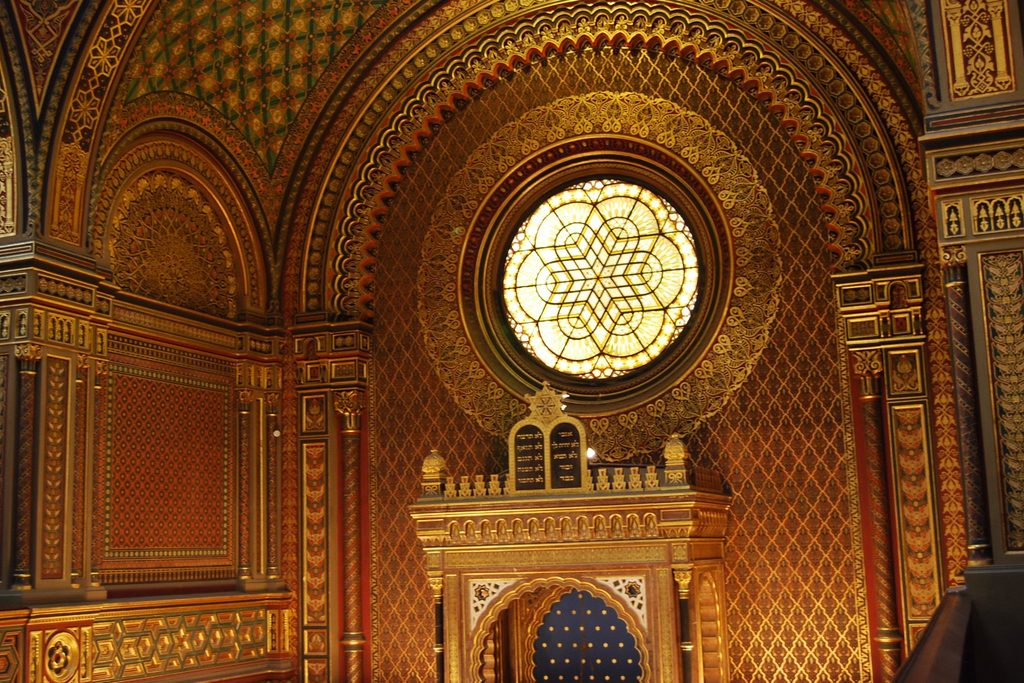
Beyond Christianity, Prague’s religious history also includes the Jewish community, which has been part of the city’s development for centuries. It created a distinctive cultural and religious legacy that remains visible in Josefov, the historic Jewish Quarter.
Jewish settlement in Prague developed during the medieval period. Over time, the community established synagogues, religious schools, charitable institutions and commercial networks. Its history was shaped by periods of cultural achievement as well as discrimination, restrictions and violence.
The Medieval Jewish Community
During the Middle Ages, Jewish residents lived under changing legal and social conditions. They contributed to Prague’s commercial and cultural life, but they also faced restrictions imposed by rulers and church authorities.
One of the darkest episodes occurred in 1389, when a violent pogrom resulted in the deaths of many members of Prague’s Jewish community. The event remains an important part of the community’s historical memory.
Despite these hardships, Jewish religious life continued. The Old-New Synagogue dates to the 13th century and became one of the most important Jewish landmarks in the city. It remains one of Europe’s oldest active synagogues.
The Old Jewish Cemetery also preserves an extraordinary record of the community’s past. Its crowded gravestones reflect centuries of burials within a limited area.
Rudolf II and the Jewish Golden Age
The late 16th century brought a particularly important period for Prague’s Jewish community.
During the reign of Emperor Rudolf II, Prague became an important centre of European political and cultural life. Jewish scholars, merchants and intellectuals contributed to the city’s development.
One of the best-known figures associated with this period is Rabbi Judah Loew ben Bezalel, commonly known as the Maharal of Prague. He became an influential religious thinker and is closely connected with the city’s Jewish traditions.
Later legends associated the Maharal with the Golem of Prague, a clay figure said to have been created to protect the Jewish community. The story is part of Prague’s cultural folklore, rather than a verified historical event.
The Holocaust and the Jewish Museum
The 20th century brought devastating destruction. During the Nazi occupation, Nazi authorities persecuted, deported and murdered Jewish residents of Prague as part of the Holocaust.
Many synagogues, historic objects and religious records survived, but the community itself suffered enormous losses. The Jewish Museum in Prague now preserves and presents much of this history through its collections and historic sites.
Today, visitors can explore the Old-New Synagogue, the Old Jewish Cemetery, the Pinkas Synagogue and other important locations in Josefov.
The Jewish community is an essential part of Prague religious history, adding another important dimension to the city’s religious and cultural identity.
A separate guide to Prague Jewish history can explore this story in greater depth, from medieval settlement and the Maharal to the Holocaust and the community’s modern life.
For visitors interested in exploring the city’s collections beyond its major landmarks, our guide to unusual museums in Prague includes places that reveal lesser-known aspects of its history and heritage.
The Reformation and Religious Conflicts in Prague
The religious divisions that developed during the Hussite period did not disappear. In the following centuries, Bohemia became a region where Catholic and non-Catholic Christian communities competed for influence.
The Protestant Reformation, which began in the early 16th century, added another layer to these divisions. Lutheran and other reform movements attracted supporters in the Czech lands, while the Catholic Habsburg rulers sought to maintain their authority.
By the early 17th century, religious disagreement had become closely connected with political power. Many members of the Bohemian estates wanted to protect their religious rights and limit the authority of the Habsburg monarchy.
The Second Defenestration of Prague
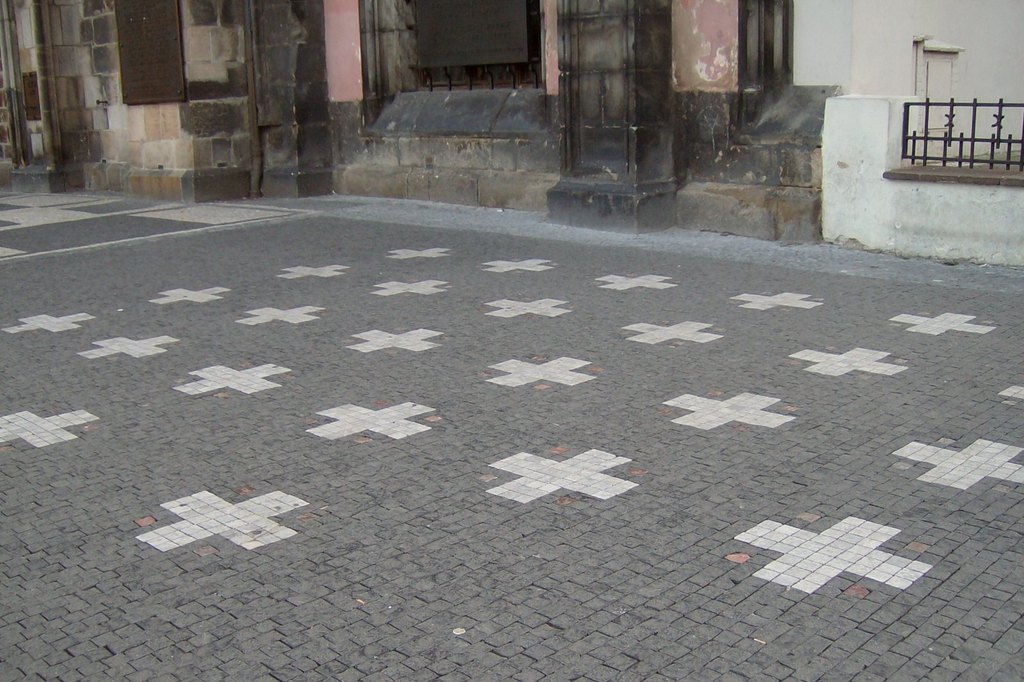
On 23 May 1618, Protestant nobles entered Prague Castle and threw two Catholic royal governors and their secretary from a window of the Bohemian Chancellery.
All three survived the fall. People later called the incident the Second Defenestration of Prague; it triggered the Bohemian Revolt.
It was more than a dramatic act of protest. It marked a direct challenge to Habsburg authority and helped set the wider Thirty Years’ War in motion.
The Battle of White Mountain
The revolt reached a decisive turning point on 8 November 1620, when Catholic Habsburg forces defeated the Bohemian Protestant army at the Battle of White Mountain, just outside Prague.
The defeat ended the revolt and weakened the political independence of the Bohemian estates. The consequences were severe.
On 21 June 1621, Habsburg authorities executed 27 leaders of the revolt in Old Town Square. Their deaths became a lasting symbol of the defeat of the Bohemian uprising.
The Habsburg authorities subsequently strengthened Catholic control. Protestant nobles and other opponents faced pressure to convert or leave the country. Catholicism became dominant in the Czech lands.
These conflicts changed the balance between religious belief and political authority in Bohemia.
These religious conflicts formed part of a wider history of warfare in the Bohemian lands. Explore Prague’s defining wars to understand the conflicts that reshaped the city and the Czech lands.
Catholic Renewal and the Transformation of Prague’s Religious Landscape
The defeat at White Mountain marked a turning point in Prague religious history, beginning a long period of Catholic recatholicization in Bohemia.
This process involved more than changing the appearance of churches. It was a political and religious programme that strengthened Catholic institutions and reduced the influence of Protestant communities.
During the decades after 1620, Protestant nobles and other non-Catholics faced pressure to convert or leave. Catholic religious orders expanded their influence, while churches and monasteries became important centres of education and religious life.
What Recatholicization Meant for Prague
Beyond politics, the changes affected everyday life as well as the structure of the kingdom.
Catholic institutions gained property and influence. Religious ceremonies, public processions and pilgrimage traditions became more prominent. The Catholic Church also played a central role in shaping education and cultural life.
However, recatholicization and the Baroque architectural transformation were not the same process. The former was a policy of religious change, while the latter was an artistic and architectural development that unfolded over a much longer period.
The Baroque Transformation
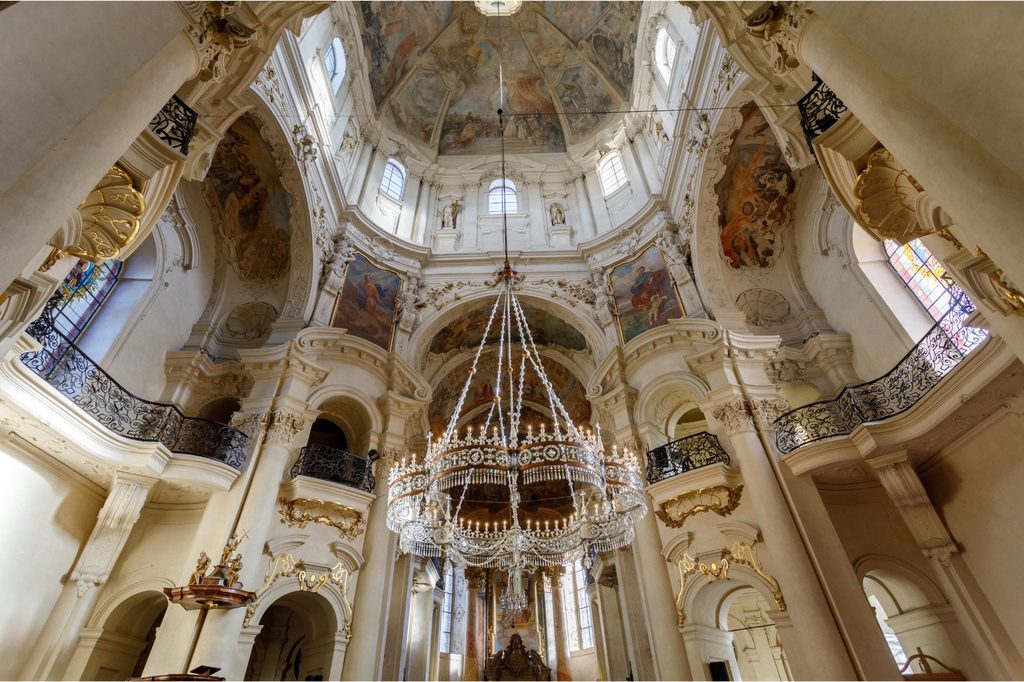
From the 17th century onward, Prague acquired many of the churches and religious interiors that visitors recognise today.
Baroque architecture used dramatic spaces, elaborate decoration, sculpture, painting and light to create powerful religious experiences. These buildings expressed the confidence and influence of Catholic institutions.
Some of Prague’s most impressive examples include:
- St. Nicholas Church in Malá Strana: Famous for its monumental dome, frescoes and richly decorated interior.
- Loreta: A major pilgrimage complex associated with devotion to the Virgin Mary.
- Strahov Monastery: An important religious and intellectual centre with a remarkable historic library.
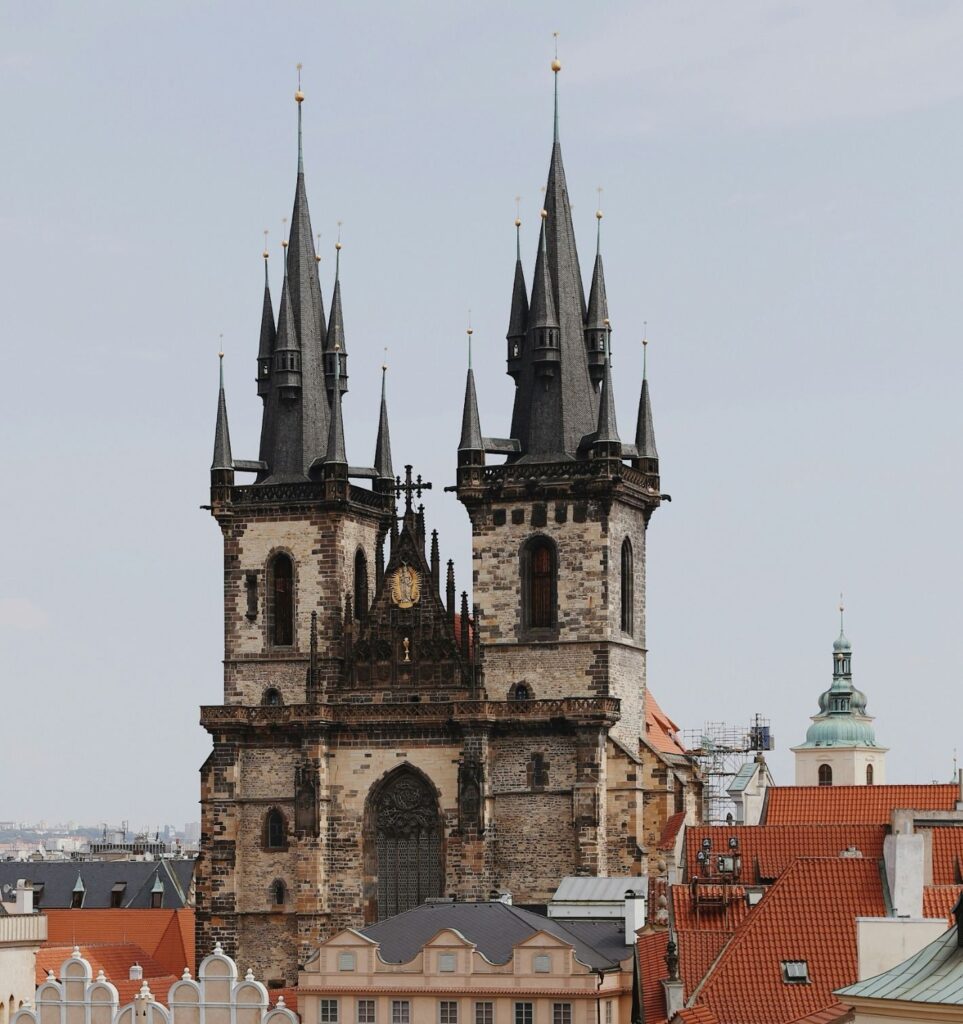
- Church of Our Lady before Týn: A major landmark in Old Town Square with a history extending back to the medieval period.
Catholic renewal reshaped Prague’s religious landscape, leaving a lasting mark on its churches and public spaces.
The result is a city where medieval Gothic structures stand alongside Baroque churches, creating a visible record of changing religious priorities.
Religious Life in Prague Under Communist Rule
The communist takeover on 25 February 1948 brought another major change to religious life in Czechoslovakia.
The new regime promoted an officially atheist political ideology and treated independent religious institutions with suspicion. Churches, religious organizations and clergy faced growing state control.
As a result, the government restricted the activities of religious communities, monitored church leaders and used state approval procedures to control parts of religious life. Some clergy were imprisoned or prevented from carrying out their work. Religious education and public religious activity also faced restrictions.
The Catholic Church was particularly affected because of its size and institutional influence. Other religious communities, including Protestant and Jewish organisations, also faced pressure.
However, religious belief did not disappear. Some people continued to attend services, maintain family traditions and practise their faith privately. Others participated in religious communities that resisted government control.
The communist period accelerated a longer process of secularization in Czech society. It did not create secularism from nothing. Tensions between Catholic institutions, Habsburg authority and Czech national identity had already influenced religious attitudes during the 19th century.
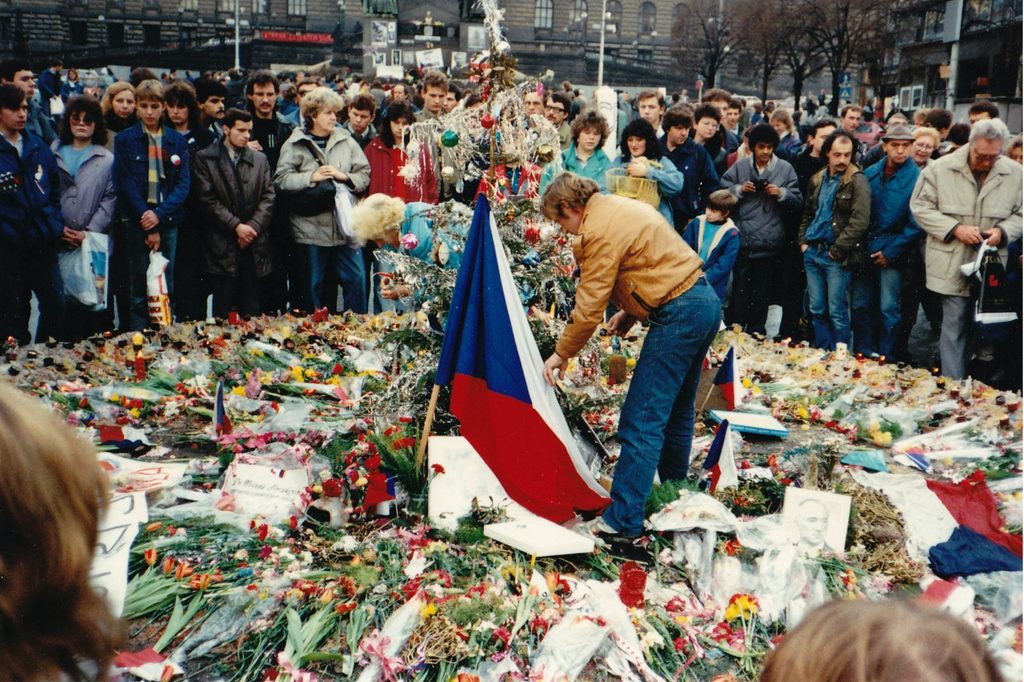
The regime collapsed during the Velvet Revolution in November and December 1989. Subsequent reforms restored religious freedom and strengthened the independence of religious institutions. A significant change came in January 1990, when reforms abolished the requirement for state approval of clergy.
To understand the wider political forces behind these changes, explore our guide to Prague’s political history, which examines the empires, occupations and revolutions that shaped the city.
Modern Prague: Religious Heritage and a Secular Society
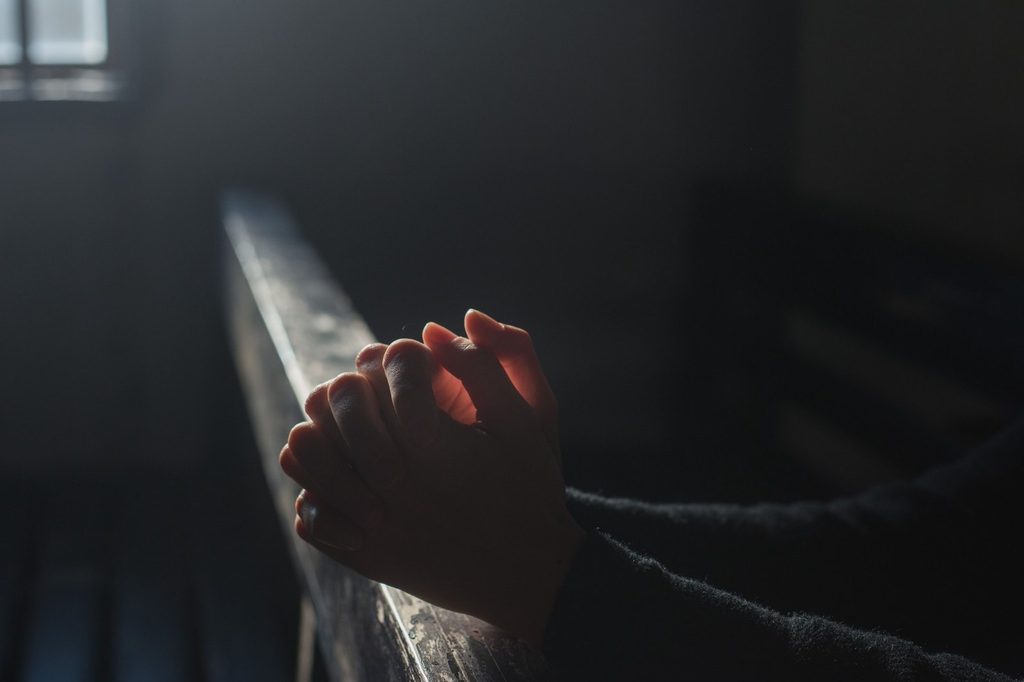
Today, Prague is known for its extraordinary collection of churches, synagogues and religious monuments, yet relatively few residents regularly participate in organised religious life.
At first, this contrast can surprise visitors. A city filled with historic religious buildings might seem deeply religious, but its modern population is largely secular.
There is no single explanation.
The Legacy of Czech National Identity
During the 19th century, Czech national identity increasingly developed in tension with the Habsburg monarchy. Many Czechs associated Catholicism with the imperial authorities, while some Czech national movements looked back to Jan Hus and the Hussite tradition as symbols of national independence.
This did not mean that all Czechs rejected Catholicism. Many remained practising Catholics, and religious life continued to play an important role. However, the relationship between national identity and organised religion became more complicated.
The Communist Period
Communist rule accelerated secularization through restrictions on religious education, church organisations and public religious activity.
The communist regime discouraged or limited religious participation for several generations. This contributed to a long-term decline in the influence of organised religion.
Religious Freedom After 1989
The end of communist rule restored the freedom to practise religion, but it did not automatically reverse decades of social change.
After 1989, some people returned to religious communities, while many others continued to live without formal religious affiliation. Modern Czech society therefore combines strong historical religious heritage with relatively low levels of organised religious participation.
Prague’s churches remain important places of worship, cultural heritage and tourism, even as the city has become increasingly secular.
Where to Explore Prague’s Religious Heritage Today
To understand Prague’s religious past, start by visiting the places where its history unfolded. Many important sites are located close to one another, making it possible to explore several periods in a single trip.
If you want to visit several of the city’s most important religious buildings in one outing, follow our Prague Cathedral Circuit for a practical route connecting Prague’s historic churches and cathedrals.
Here are some of the most important places to include:
1. St. Vitus Cathedral
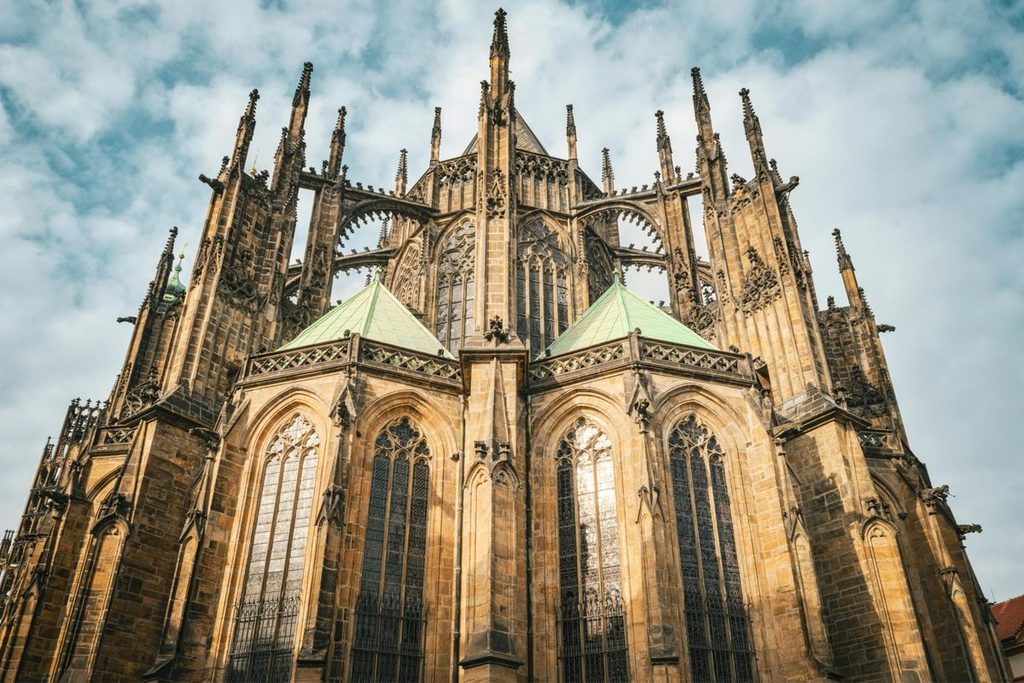
Located inside Prague Castle, St. Vitus Cathedral is one of the most important religious buildings in the Czech Republic.
Its construction began in 1344, following Prague’s elevation to an archbishopric. The cathedral became a centre of royal ceremonies, religious worship and national identity.
Planning a visit? You can book your Prague Castle entry ticket online and explore the cathedral as part of the castle complex.
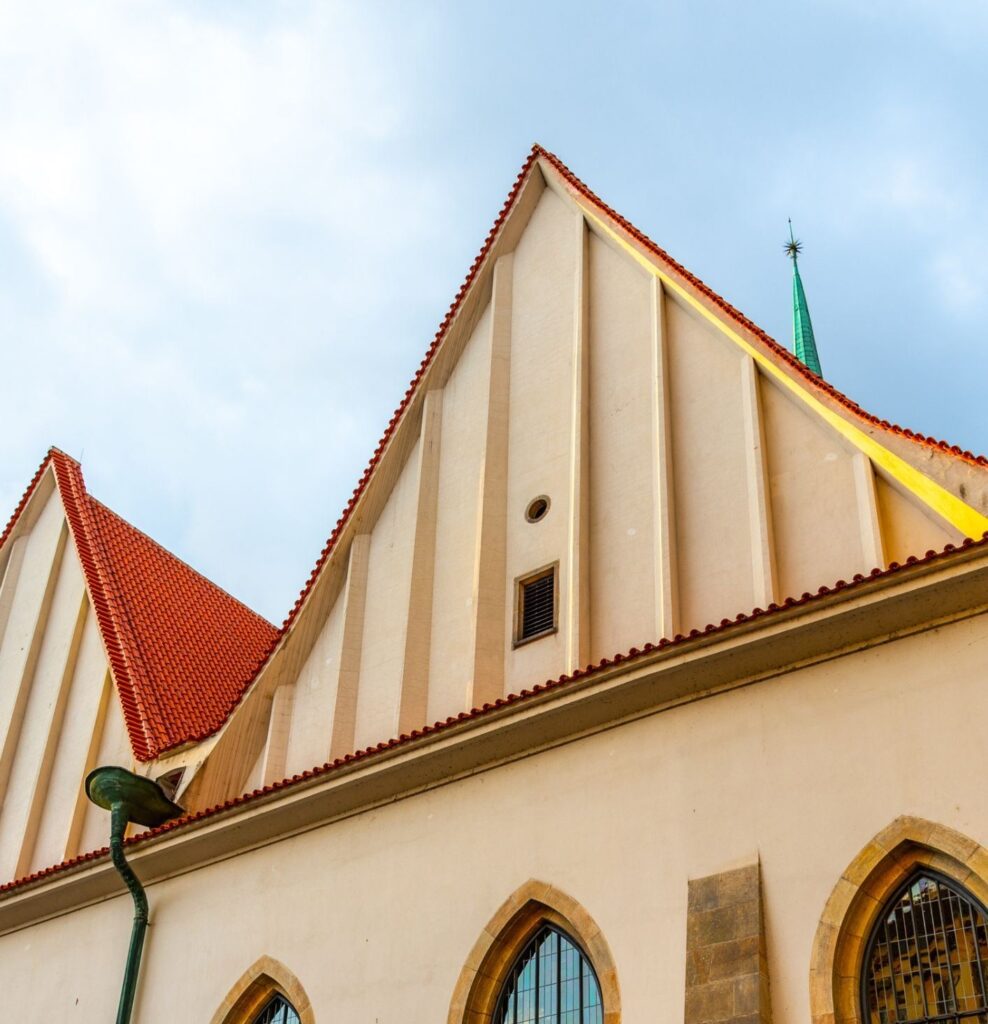
2. Bethlehem Chapel
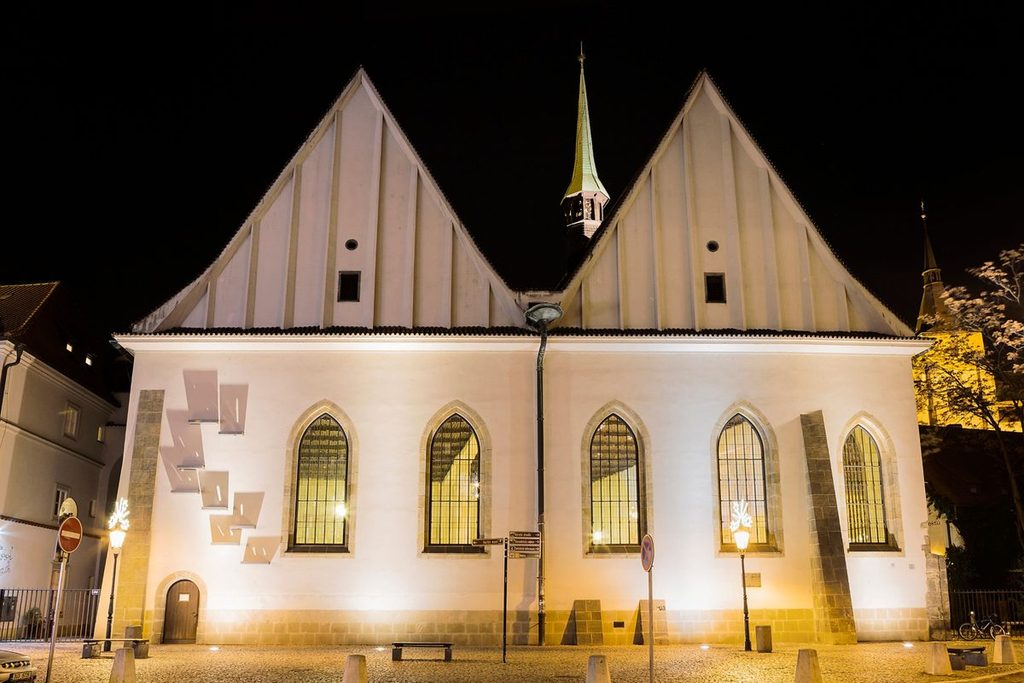
Bethlehem Chapel is closely associated with Jan Hus, who preached there in the early 15th century.
The chapel helps visitors understand the religious reform movement that developed in Prague before the Hussite Wars. Later reconstruction altered the present building, but the site preserves the memory of Hus’s preaching.
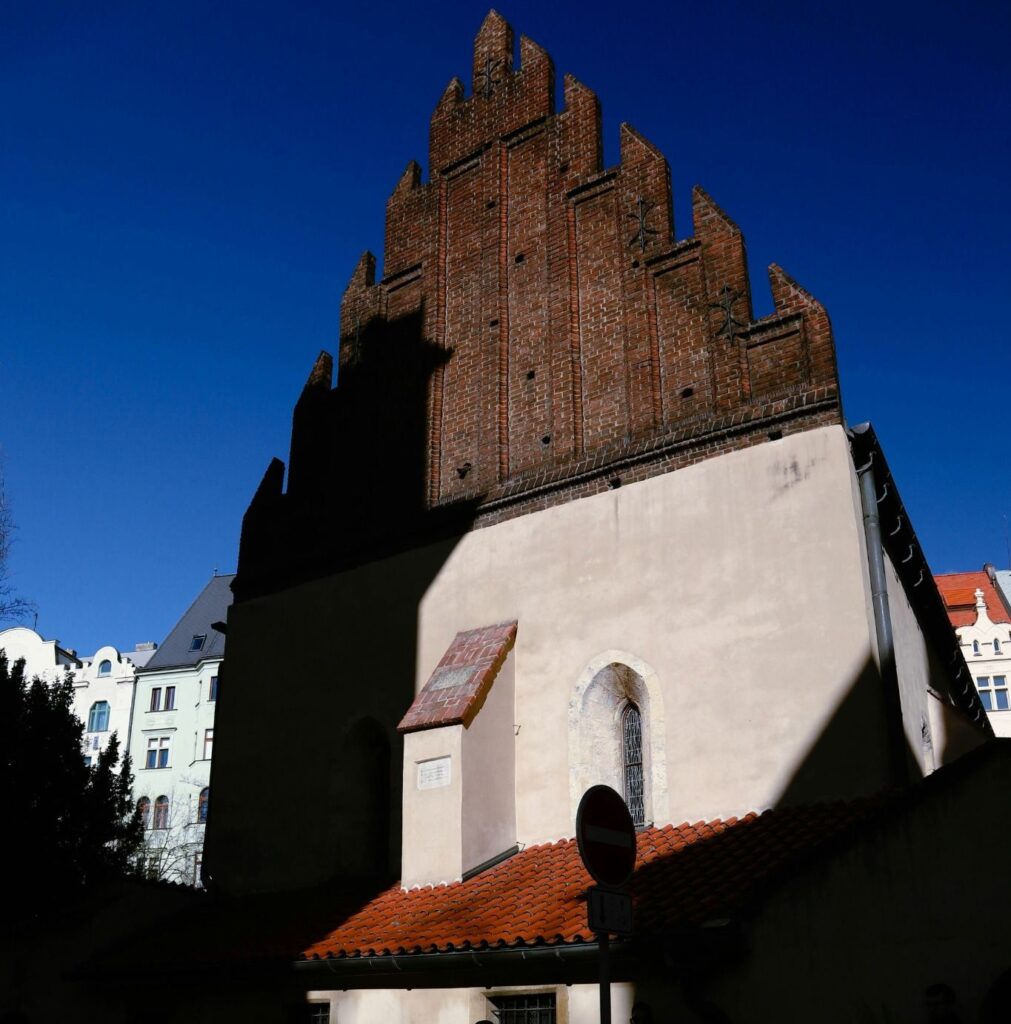
3. Old-New Synagogue
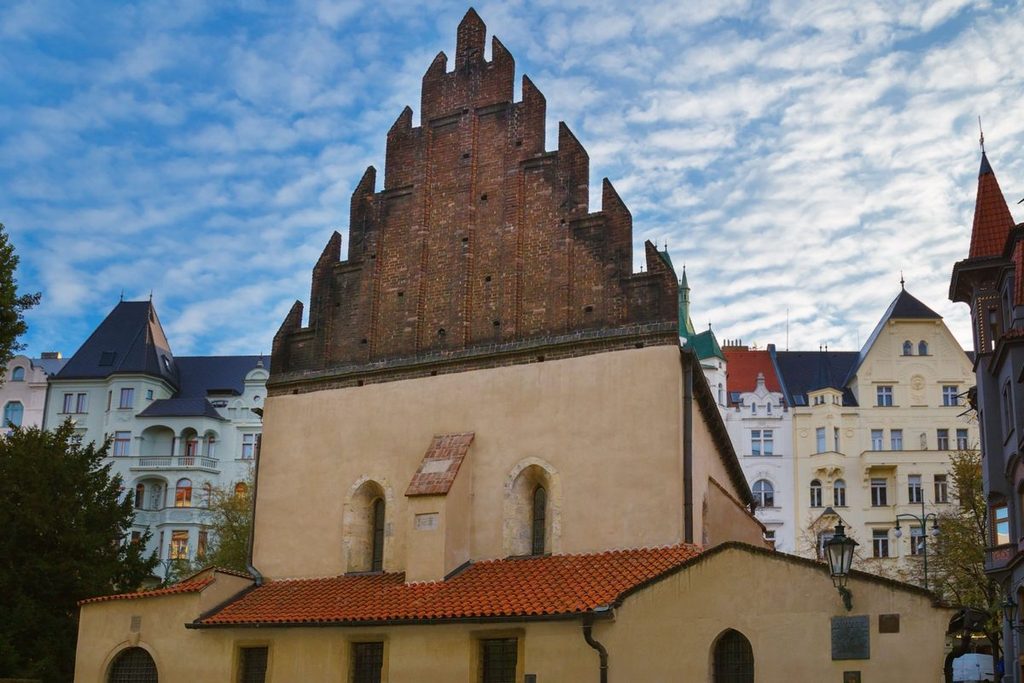
The Old-New Synagogue is one of Europe’s oldest active synagogues and a central landmark of Prague’s Jewish heritage.
Its medieval origins and continued religious use make it especially important for understanding the city’s long Jewish history.
4. Old Jewish Cemetery
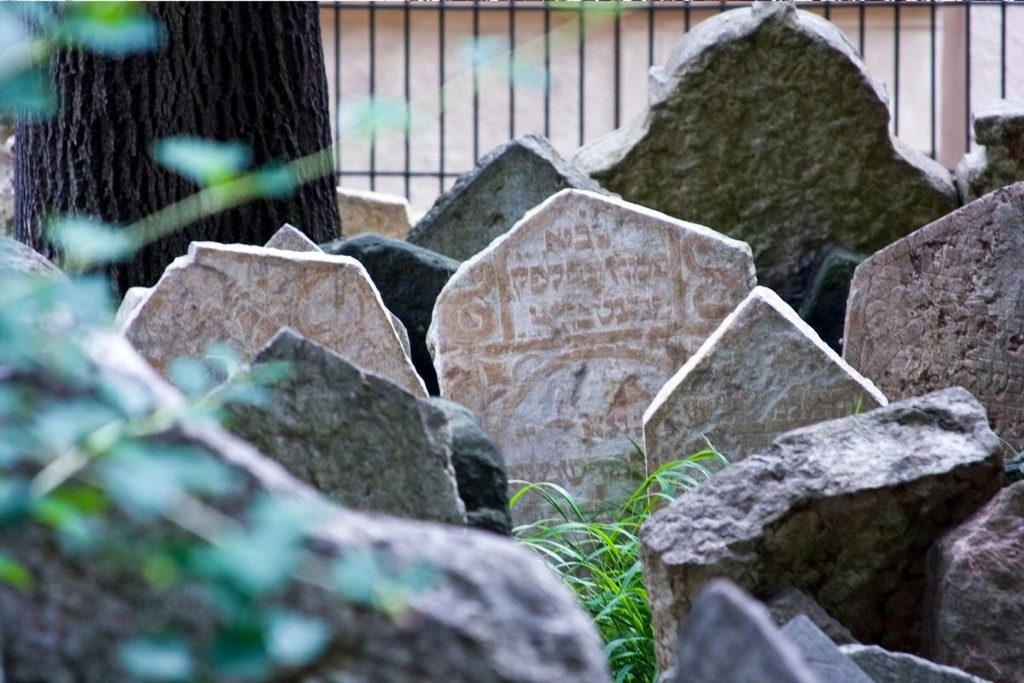
The Old Jewish Cemetery in Josefov preserves centuries of Jewish burial history.
Its crowded gravestones reflect the restrictions that limited the community’s burial space over time. It is one of the most moving historical sites in the city.
You can also book a Prague Jewish Quarter ticket to visit several historic synagogues and the Old Jewish Cemetery with one admission.
5. St. Nicholas Church
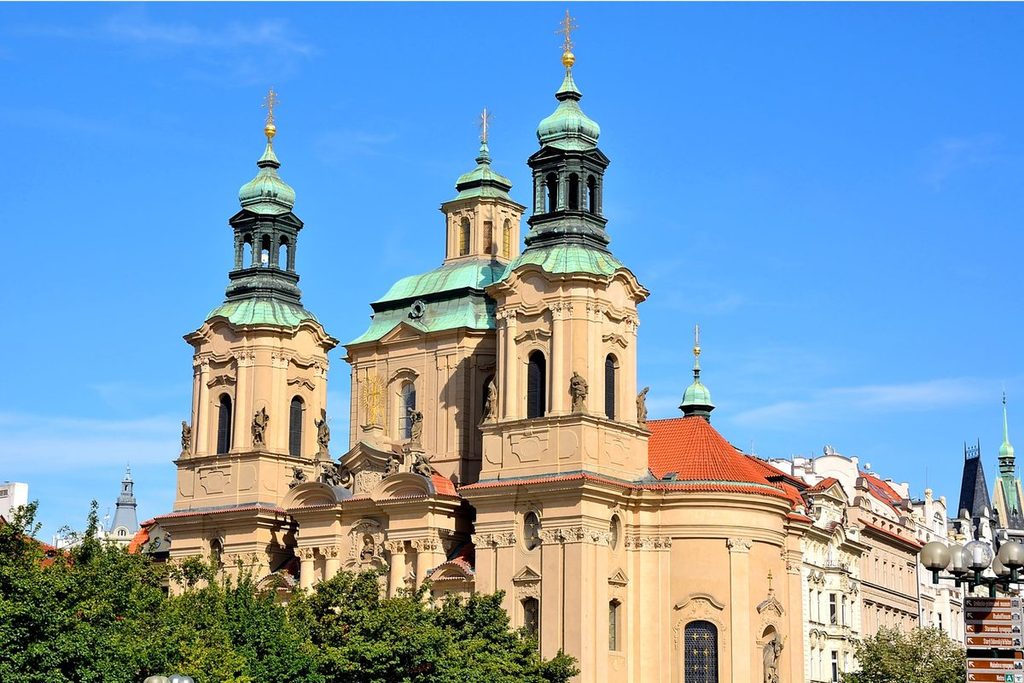
St. Nicholas Church in Malá Strana is one of Prague’s finest examples of Baroque religious architecture.
Its dome, frescoes and elaborate interior demonstrate the artistic ambition of the Catholic renewal period.
6. Loreta
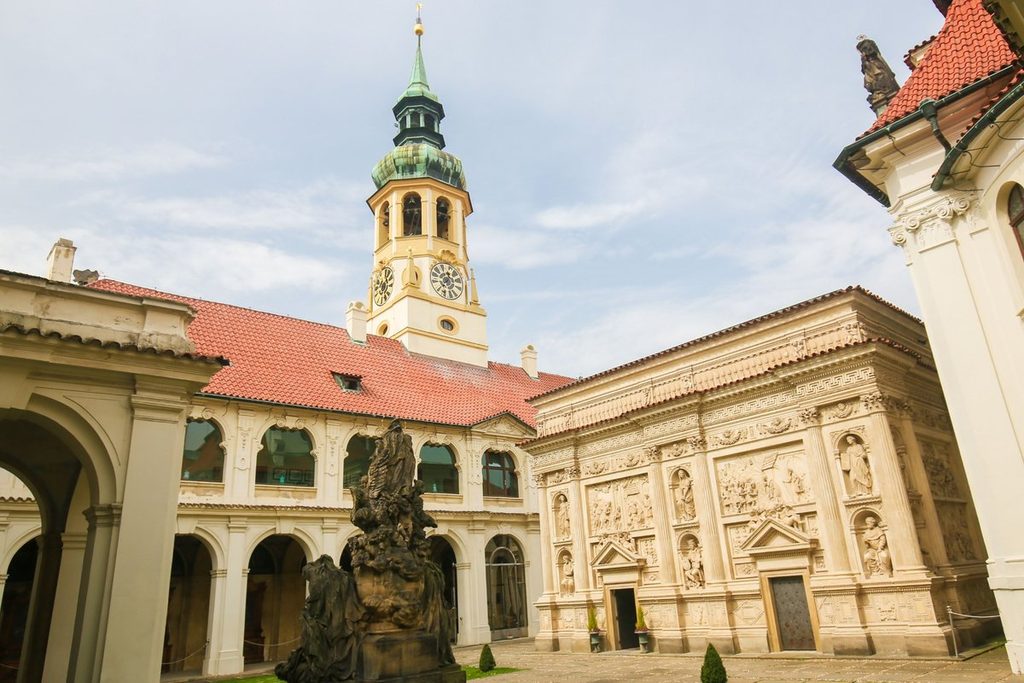
Loreta is a historic pilgrimage complex associated with devotion to the Virgin Mary.
Its architecture, religious collections and peaceful courtyard offer another perspective on Catholic life in Prague after the Battle of White Mountain.
7. Old Town Square
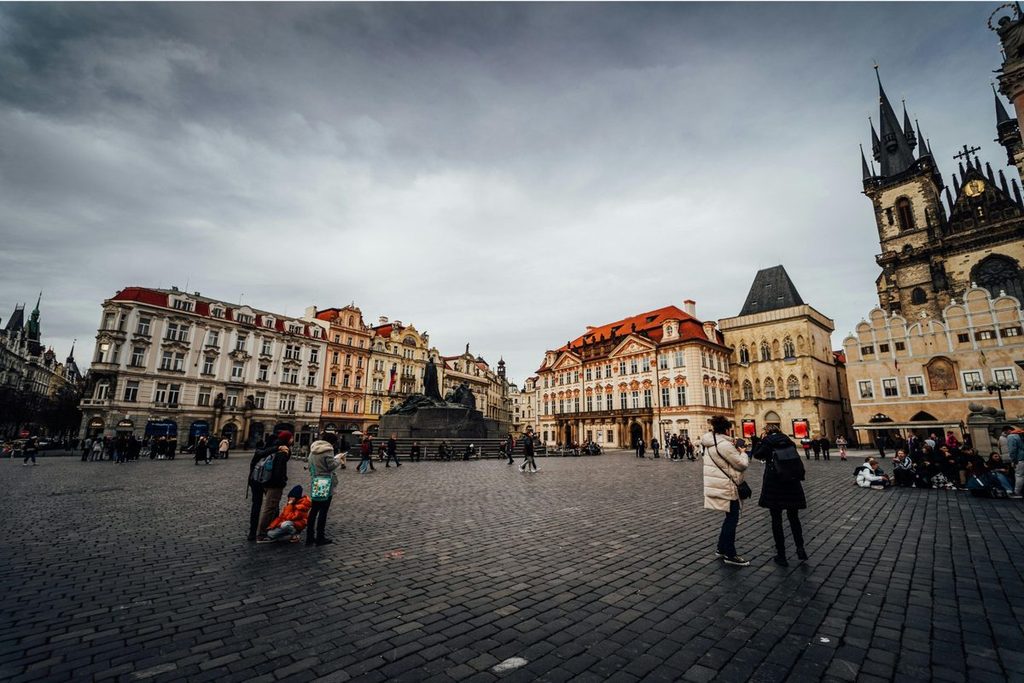
Old Town Square connects several important chapters of Prague’s religious history.
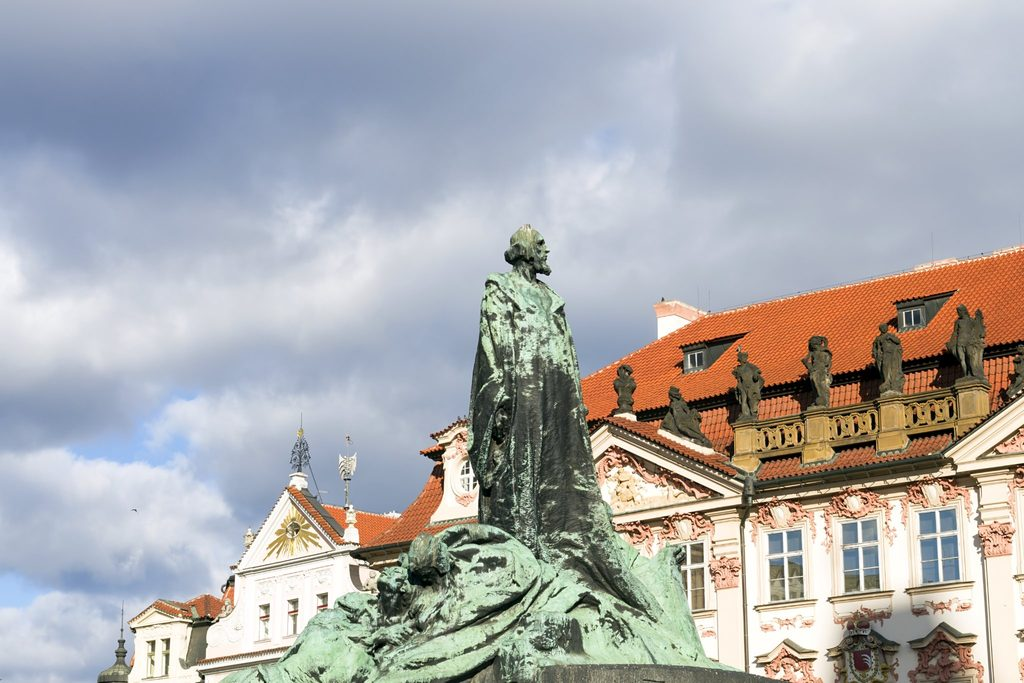
Jan Hus’s memorial stands prominently in the square’s centre. In addition, the square recalls the executions of the leaders of the Bohemian Revolt in 1621. It is also an ideal starting point for exploring the city’s medieval churches and historic streets.
For a wider look at the city’s landmarks, explore Prague’s most important historical monuments.
Prague’s religious heritage remains visible in its churches, synagogues, monuments and historic neighbourhoods.
Final Thoughts
Prague’s religious history is a story of faith, power, resistance and transformation. Christianity shaped the city’s earliest institutions, Jan Hus challenged the authority of the medieval Church, and the Hussite movement changed the religious and political direction of Bohemia.
The Jewish community added another essential dimension to the city’s identity, while the Habsburg period transformed Prague through Catholic policy and Baroque architecture. Communist rule later restricted religious life, but the return of freedom after 1989 allowed religious institutions to operate independently again.
Today, Prague may be one of Europe’s more secular capitals, but its religious past is impossible to miss. It remains visible in the skyline of St. Vitus Cathedral, the quiet courtyards of Josefov, the churches of Malá Strana and the historic squares where major events unfolded.
Once you understand the forces behind these places, you no longer see Prague’s religious buildings as isolated attractions. You see how centuries of belief shaped, challenged and transformed the city’s identity.
Frequently Asked Questions About Prague Religious History
Christianity spread through Bohemia during the early medieval period. The establishment of the Prague Bishopric in 973 gave the city a formal ecclesiastical institution.
Jan Hus was a Czech priest and religious reformer who criticised corruption within the Catholic Church. He was executed on 6 July 1415, and his ideas helped inspire the Hussite movement.
The Hussite Wars grew from religious and political tensions following Jan Hus’s execution. The First Defenestration of Prague on 30 July 1419 helped turn the conflict into open rebellion.
Jewish settlement in Prague dates back to the medieval period. The community developed important religious institutions, including the Old-New Synagogue, and experienced both cultural achievements and severe persecution.
It wasn’t just communism. Czech secularization began in the 19th century when Catholicism became associated with Habsburg rule, accelerated under communism, and continued after 1989 as fewer people joined organized churches.
Yes. Many churches and synagogues continue to serve religious communities. Visitors should check individual sites for service times and follow local rules about photography, clothing and respectful behaviour.
 Early Christianity: Christianity spread through Bohemia during the medieval period, shaping religious life and institutions.
 Jan Hus: Czech preacher who challenged Church corruption and called for religious reform.
 Hussite Movement: Religious movement inspired by Jan Hus that challenged Catholic authority and transformed Bohemia.
 Hussite Wars: Conflicts between Hussite followers and Catholic forces that reshaped religious and political life.
 Battle of White Mountain (1620): Catholic victory that strengthened Habsburg rule and accelerated the Counter-Reformation in Bohemia.
 Jewish Heritage: Prague's Jewish community preserved centuries of religious traditions, synagogues, and cultural heritage.