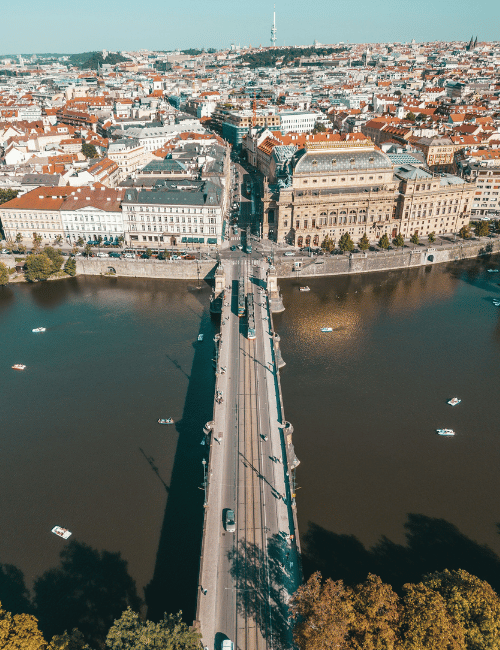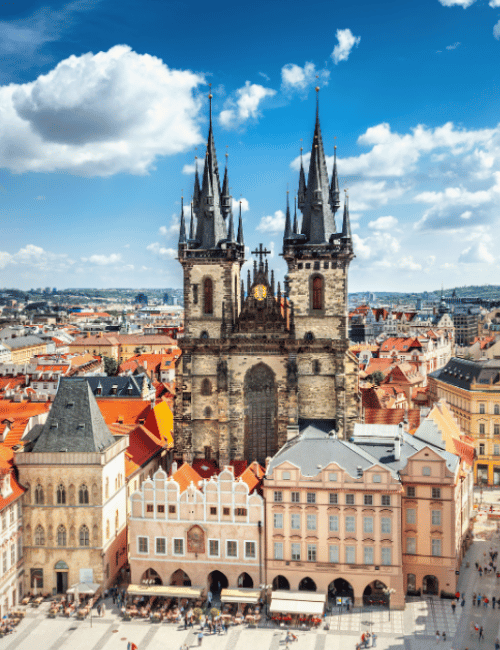
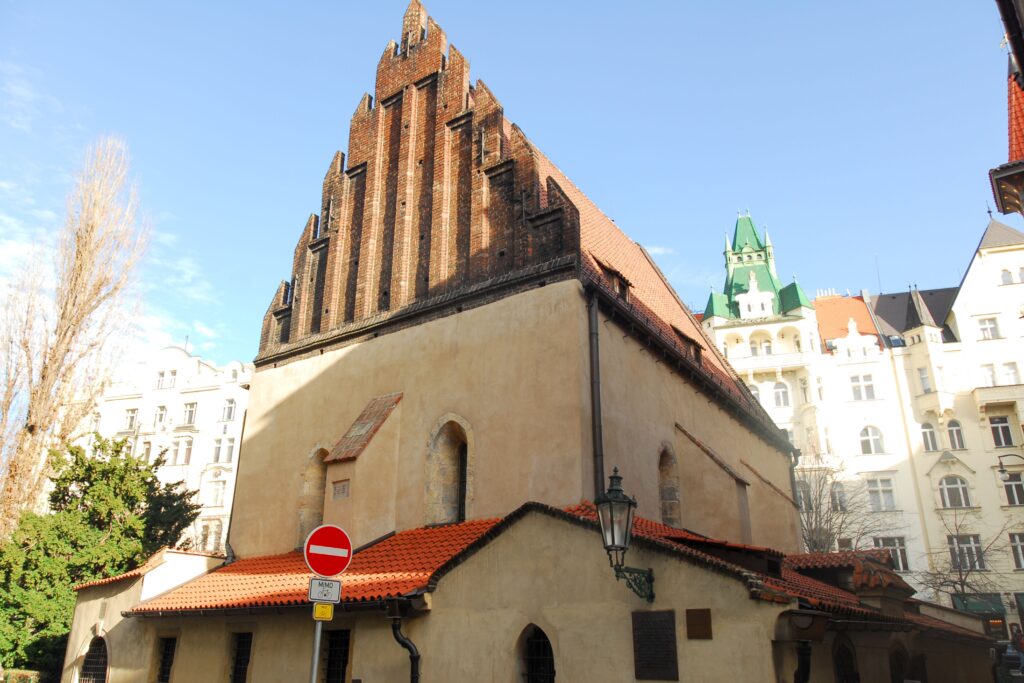
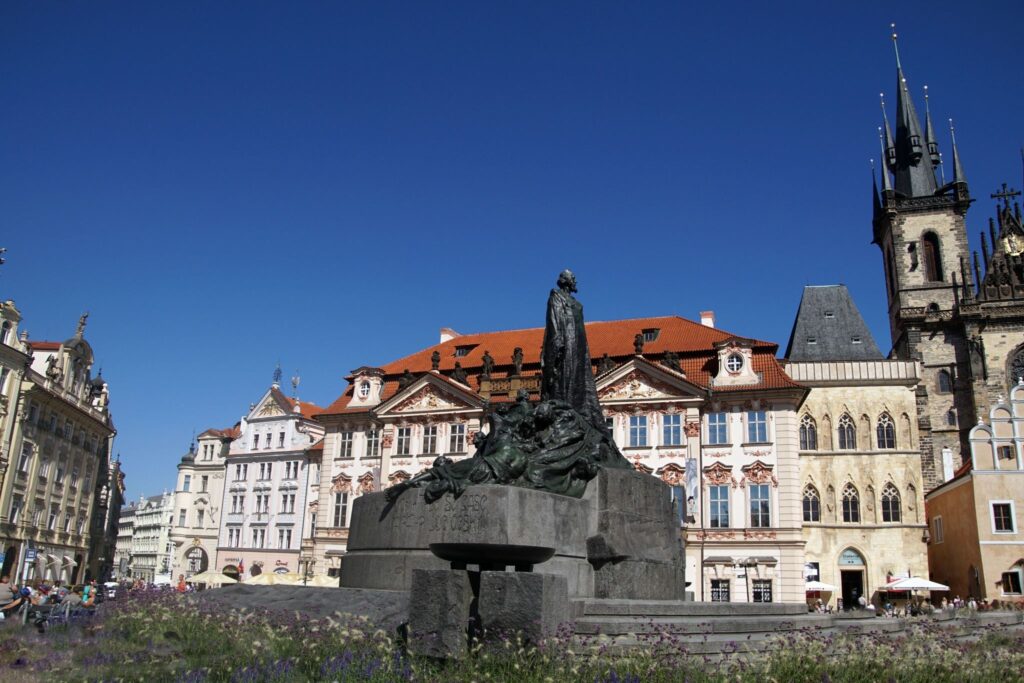
Old-New Synagogue in Prague's Jewish Quarter, reflecting the city's centuries-old religious heritage and Prague Religious History.
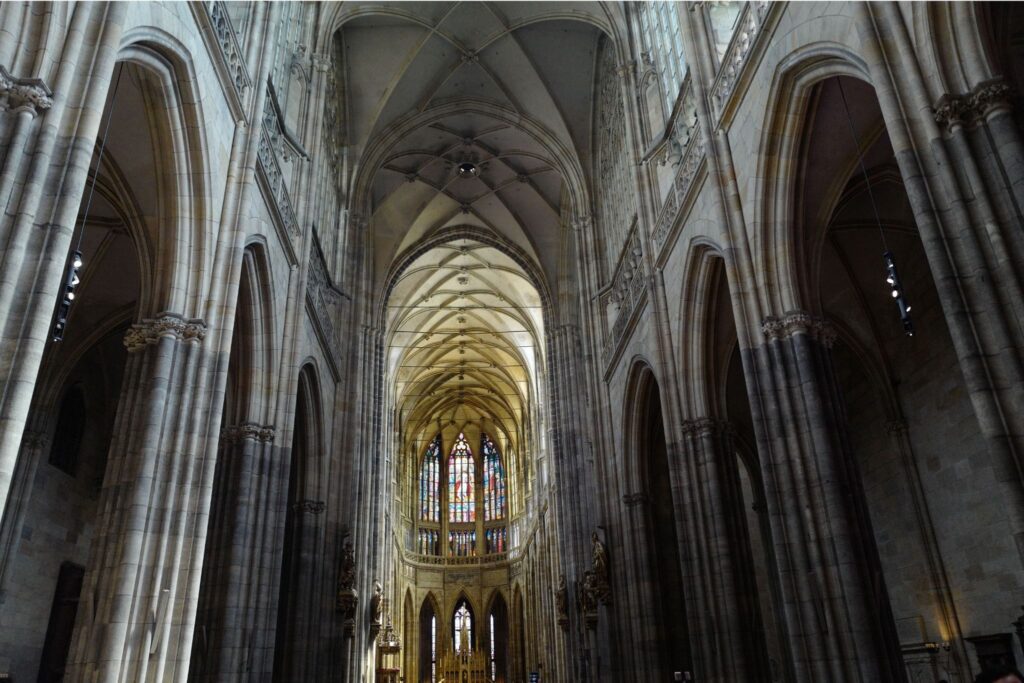
St. Vitus Cathedral interior showcasing Gothic architecture and stained glass, reflecting Prague Religious History.
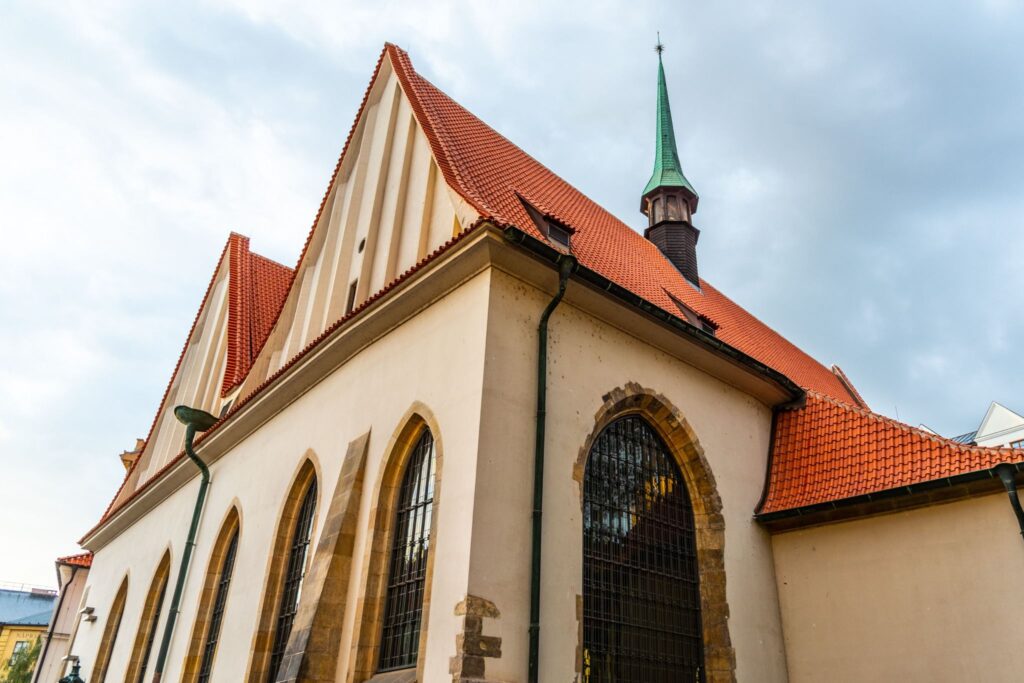
Bethlehem Chapel in Prague, a historic landmark associated with Jan Hus and Prague Religious History.

Prague Religious History

Explore the Faith and Religious Conflicts That Shaped Prague
Discover Prague Religious History and explore the spiritual movements that shaped the city's identity. Learn how Christianity, religious reformations, and historic conflicts influenced Prague's churches, institutions, and cultural heritage. From the Hussite Wars to the Counter-Reformation, uncover how centuries of faith, political struggles, and changing beliefs transformed Prague and left a lasting mark on its history.
PRAGUE RELIGIOUS HISTORY GUIDE

Discover the Faith and Beliefs That Shaped Prague

Prague's religious past is a story of changing beliefs, powerful institutions, and centuries of spiritual influence. From the early spread of Christianity and the rise of the Hussite movement to the influence of Catholicism and the Reformation, religion played a major role in shaping Czech society. Explore the guides below to discover the churches, historical figures, religious movements, and defining events behind Prague's spiritual heritage.
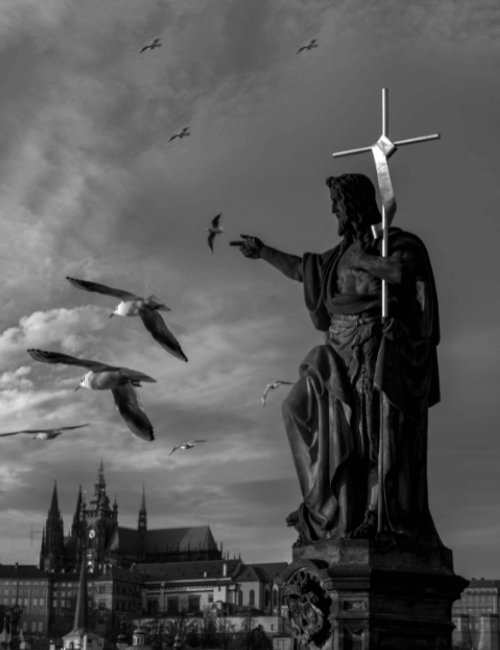
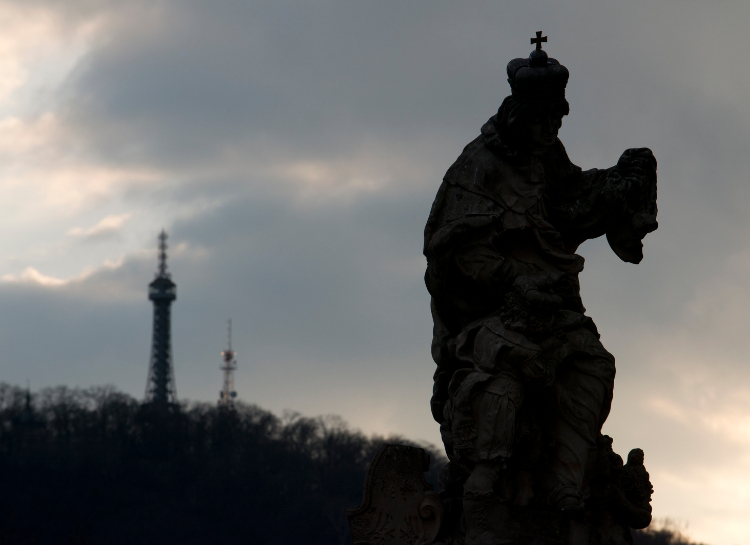
Baroque religious statue in Prague silhouetted against the evening sky, illustrating Prague religious history.

Prague Religious History: How Faith Shaped the City’s Identity

Prague religious history is not simply a story of churches, cathedrals and ancient traditions. It is a story of competing beliefs, political power, religious persecution

Want to Discover More of Prague’s History?

Explore the people, events, beliefs, and traditions that shaped Prague and the Czech lands. Discover fascinating stories, historic landmarks, and defining moments from the medieval era to modern times.

There’s More to Prague Than Meets the Eye

Step into the past and uncover the stories behind Prague’s royal legacy, cultural achievements, religious movements, and political turning points. Dive deeper into the events and personalities that left their mark on the city and shaped Czech identity through the centuries.
Browse Guides
Discover More Prague Categories

The Ultimate Visitor's Guide to Prague

FAQs

PRAGUE RELIGIOUS HISTORY FAQs

Find answers to common questions about Prague's religious past, from the spread of Christianity and the Hussite movement to the influence of Catholicism and the Reformation. Discover the people, events, and historic places that shaped the city's spiritual identity.

Christianity spread through Bohemia during the early medieval period, gaining influence as rulers supported the new faith. Churches, monasteries, and religious institutions gradually became central to education, community life, and authority in medieval Prague’s development.

The movement grew from calls for Church reform, disputes over religious authority, and anger after Hus’s execution. Supporters sought changes in worship and society, while tensions with Catholic authorities developed into wider conflict in Bohemia.

The Catholic Church shaped worship, education, art, and public life for centuries. Its influence is visible in Prague’s cathedrals, monasteries, and churches, many of which were expanded or transformed during different periods of Catholic rule.

Visitors can explore religious history at Prague Castle, St. Vitus Cathedral, Old Town churches, and historic monasteries. These places reveal periods of worship, architecture, religious authority, and change across the city’s long and complex past.

Jan Hus was a Czech preacher who challenged abuses within the Catholic Church and called for religious reform. His execution in 1415 inspired widespread resistance, strengthening the Hussite movement and reshaping Bohemia’s religious and political history for generations to come.

The wars brought upheaval and changed religious life across Bohemia. Prague became a Hussite centre, while churches, monasteries, and institutions experienced disruption as competing groups struggled over faith, practice, and authority.

The Counter-Reformation strengthened Catholic institutions after the Reformation’s religious divisions. In Prague, it influenced church architecture, education, public ceremonies, and artistic patronage, leaving a lasting mark on the city’s spiritual landscape.

Prague’s identity reflects Catholic, Protestant, Jewish, and other religious communities. Their beliefs, institutions, and encounters shaped its architecture, traditions, and public life, while conflict and tolerance influenced the city’s changing character.