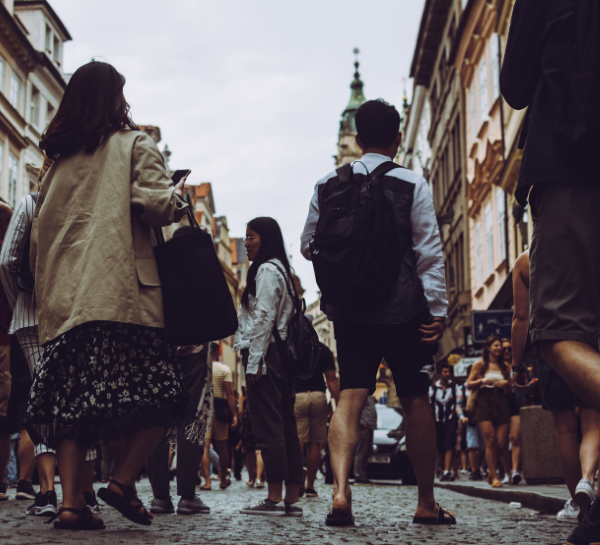

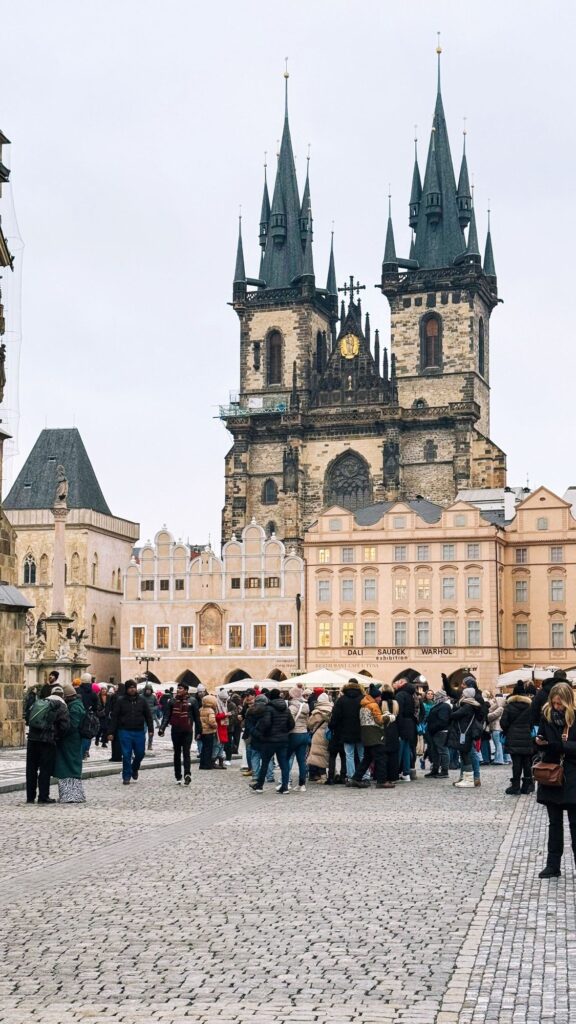
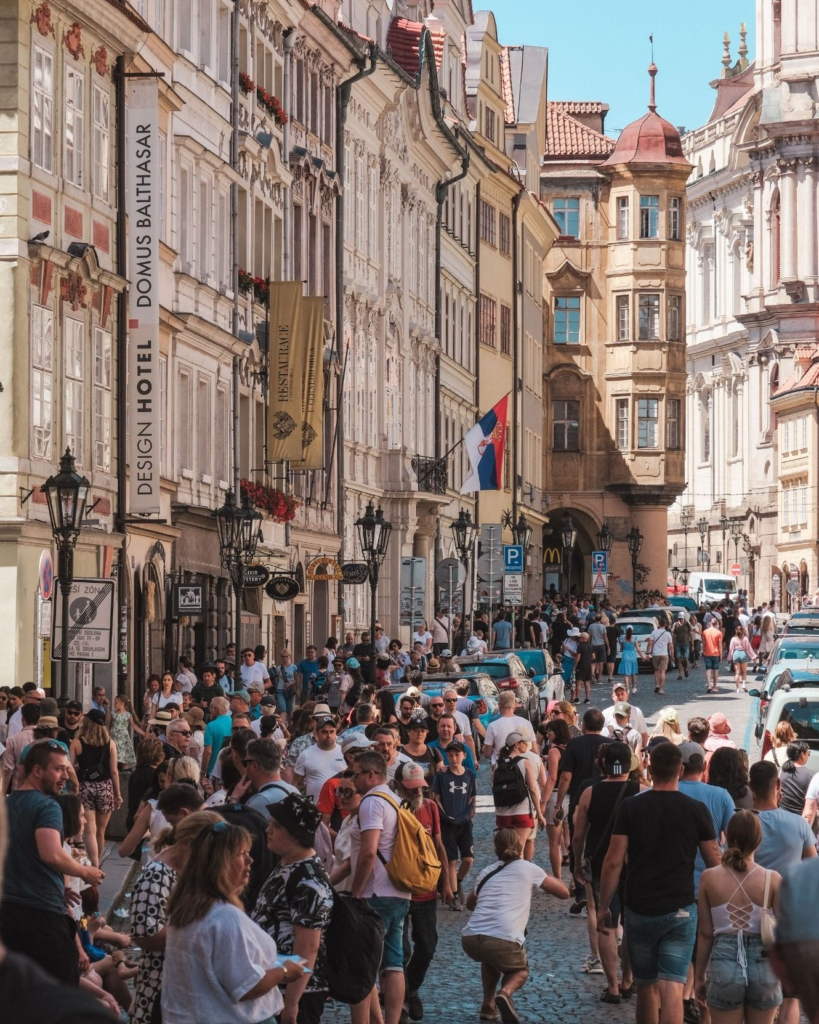
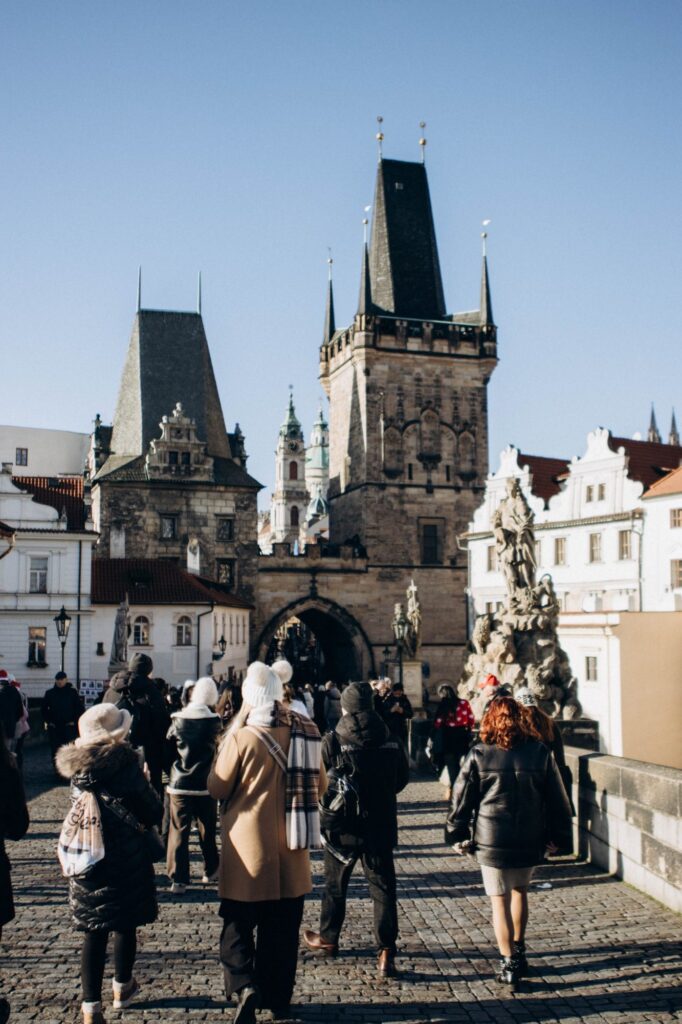
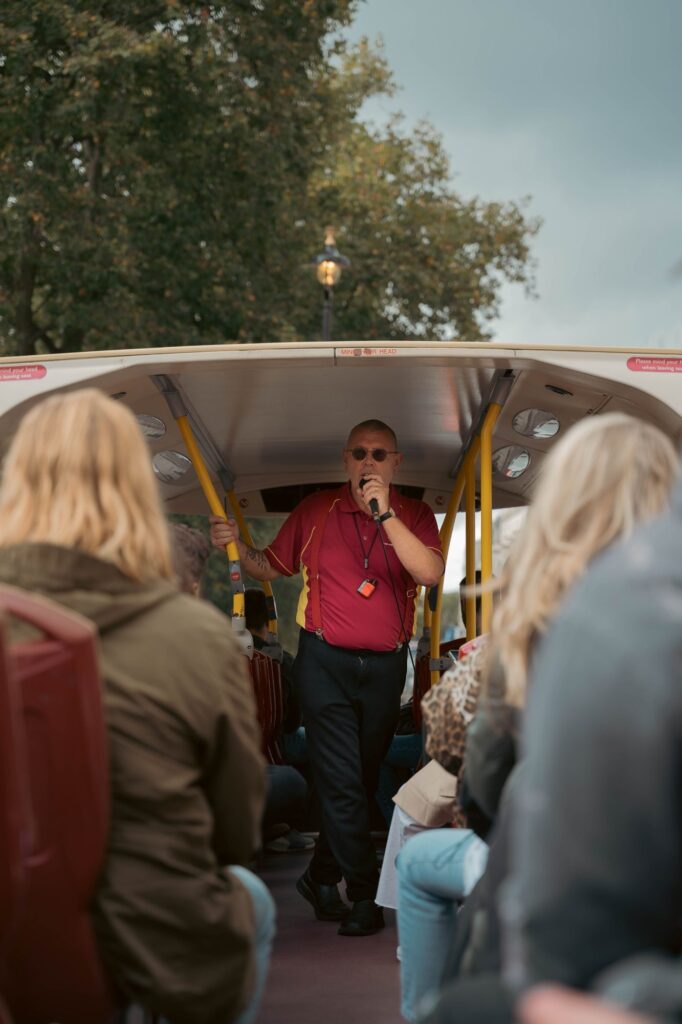
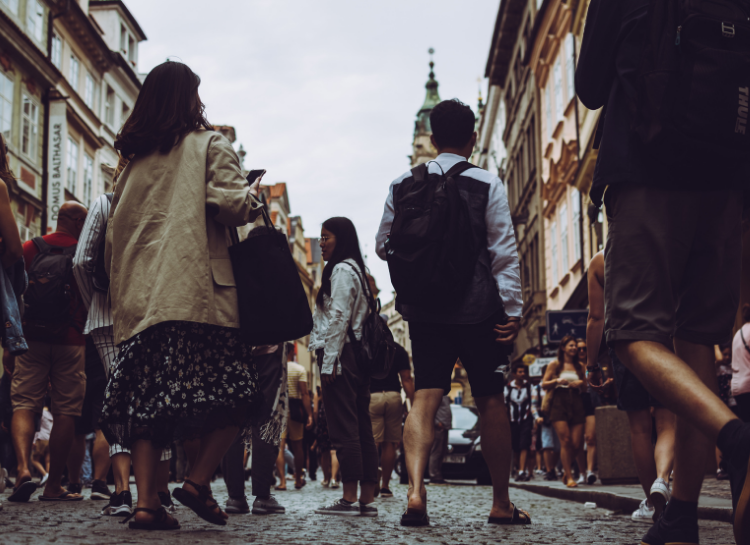
Prague themed walks are a great way to discover a side of the city that you can easily miss when following the usual sightseeing route. Most visitors start with Charles Bridge, Old Town Square, Prague Castle and the Astronomical Clock. There is nothing wrong with that, but Prague is much more than a collection of famous landmarks. It is a city full of stories, hidden details and neighbourhoods waiting to be explored.
The same street can feel completely different depending on what you are looking for. Follow Prague’s medieval history and you start noticing old passages and churches. Follow Kafka and ordinary buildings suddenly have a story behind them. Look at the city through architecture and details above doorways and unusual façades become much harder to miss.
That is what makes themed walks so enjoyable. You can spend an afternoon following Kafka’s Prague, discovering Art Nouveau, exploring Communist history, listening to old legends or searching for places most tourists walk straight past.
You also don’t have to join a group. Prague City Tourism offers self-guided routes covering different parts of the city, giving independent travellers the freedom to explore at their own pace.
The best Prague themed walks are the ones that match your interests and give you a reason to see the city differently.
Quick Answer: Which Prague Themed Walk Should You Choose?
If you are planning a short trip and do not have time to research ten different routes, start with your interests rather than with the name of the tour. Someone fascinated by literature will probably enjoy Kafka’s Prague far more than a general sightseeing walk, while an architecture enthusiast could spend hours looking at buildings that another visitor barely notices.
For a first visit, a medieval or historical walk is a good choice because it helps you understand the city you are already seeing. If you have visited Prague before, a route focused on Communist history, Cubist architecture or lesser-known neighborhoods can make the city feel surprisingly new again. Visitors looking for something atmospheric may prefer a ghost and legends walk in the evening, while food lovers can combine sightseeing with Czech dishes, cafés and beer culture.
Here is the simple version:
| If you enjoy… | Consider… |
|---|---|
| Literature | Kafka’s Prague |
| Medieval history | Medieval Prague |
| Ghost stories | Prague’s legends and dark stories |
| Architecture | Art Nouveau Prague |
| Design | Cubist Prague |
| Jewish history | Jewish Prague |
| Modern history | Communist Prague |
| Food and drink | Prague food and beer |
| Movies and public art | Film and pop culture |
| Quiet streets and discovery | Hidden Prague |
The important thing is not to choose a route simply because it sounds impressive. Think about what you would actually enjoy spending two or three hours looking at, because that will make a much bigger difference to your experience.
10 Prague Themed Walks Worth Exploring
From here, the city can be explored in many different ways, depending on what catches your interest. The ten routes below take a closer look at some of Prague’s most fascinating sides, with each one offering a different reason to slow down, look around and explore. Some focus on a person or period in Prague’s history, while others are built around architecture, local culture or simply finding something beyond the usual tourist path.
1. Kafka’s Prague
Best for: Literature lovers, history enthusiasts and repeat visitors
Best time: Morning or late afternoon
Walking level: Easy to moderate
Franz Kafka is one of the names most closely associated with Prague, but his relationship with the city was much more interesting than simply being the birthplace of a famous writer. Kafka was born in Prague in 1883 and spent most of his life here, during a period when the city was shaped by Czech, German and Jewish cultures. His family, education, work and everyday life were all closely connected to Prague.
➤ If you want to discover more people connected with the city, our guide to famous people in Prague explores some of the figures whose lives and stories are tied to the Czech capital.
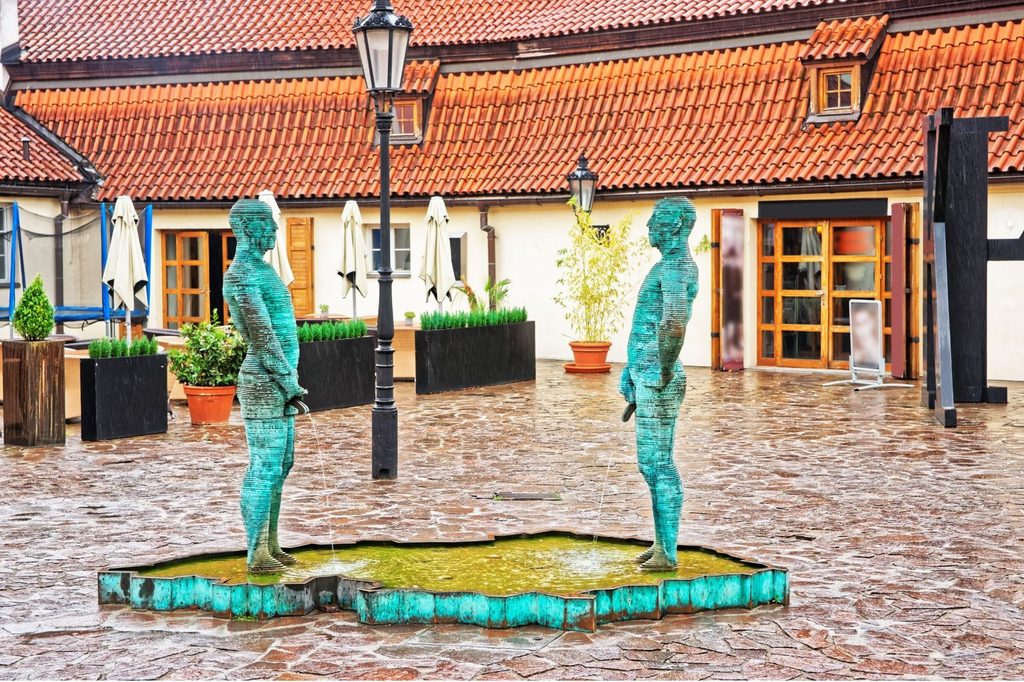
A Kafka-themed walk lets you explore these connections around the Old Town and Jewish Quarter, including places associated with his childhood, education and family. You can also visit the Kafka Museum in Malá Strana to learn more about his life and relationship with Prague.
What makes the walk interesting is seeing familiar streets through Kafka’s eyes. An ordinary-looking building can suddenly have a connection to his life, while a busy square can become part of a personal story. You begin to see Kafka not simply as a literary figure, but as someone who lived and worked in the same city you are exploring.
You do not need to be a Kafka expert to enjoy the route. A little reading beforehand can make the experience more meaningful.
PraguePeek tip: Take your time. Kafka’s Prague is more enjoyable when you stop at interesting places instead of rushing from one location to the next.
2. Medieval Prague
Best for: First-time visitors and history lovers
Best time: Morning
Walking level: Easy
Prague is often described as one of Europe’s great medieval cities, and there is plenty of truth behind that description. The challenge is that visitors can become so used to seeing medieval-looking buildings that they stop asking why the city looks the way it does.
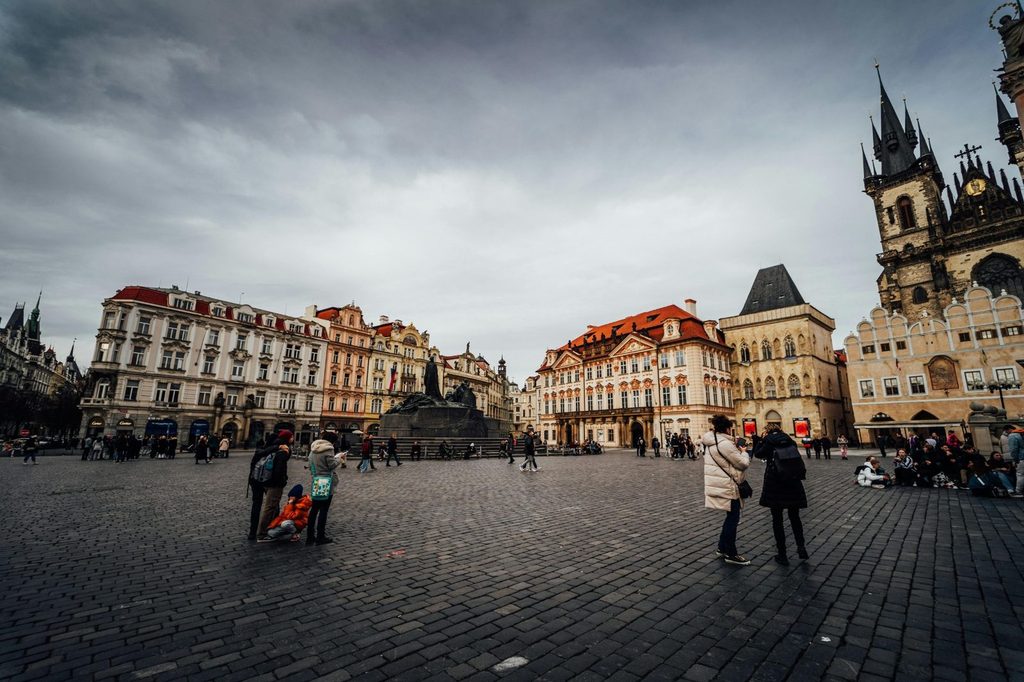
A medieval-themed walk gives you a chance to understand that history. Instead of treating Old Town Square, the churches and narrow Prague streets as separate attractions, you can see how Prague developed as a city. The old streets, passages, churches and towers are part of a much larger story involving trade, religion, royal power and everyday life.
Another interesting feature is the way different periods sit beside one another. A medieval structure might stand next to a Baroque building, an Art Nouveau façade or a much later addition. Prague did not stop developing after the Middle Ages. Each generation added something new to the city that was already there.
For first-time visitors, this makes a medieval walk particularly useful. Once you understand the older structure of Prague, famous sights such as Charles Bridge and Old Town Square become more meaningful. The winding streets also start to make more sense rather than simply looking like picturesque places to photograph.
With more time, consider extending your historical exploration beyond the busiest centre. Vyšehrad offers another perspective on Prague’s past and a welcome change from the crowds around the main tourist sights.
PraguePeek tip: Look down as well as up. Some clues to Prague’s older history are easy to miss when you are focused on towers and façades.
3. Prague’s Ghosts, Legends and Dark Stories
Best for: Curious travelers, couples and night owls
Best time: Evening
Walking level: Easy
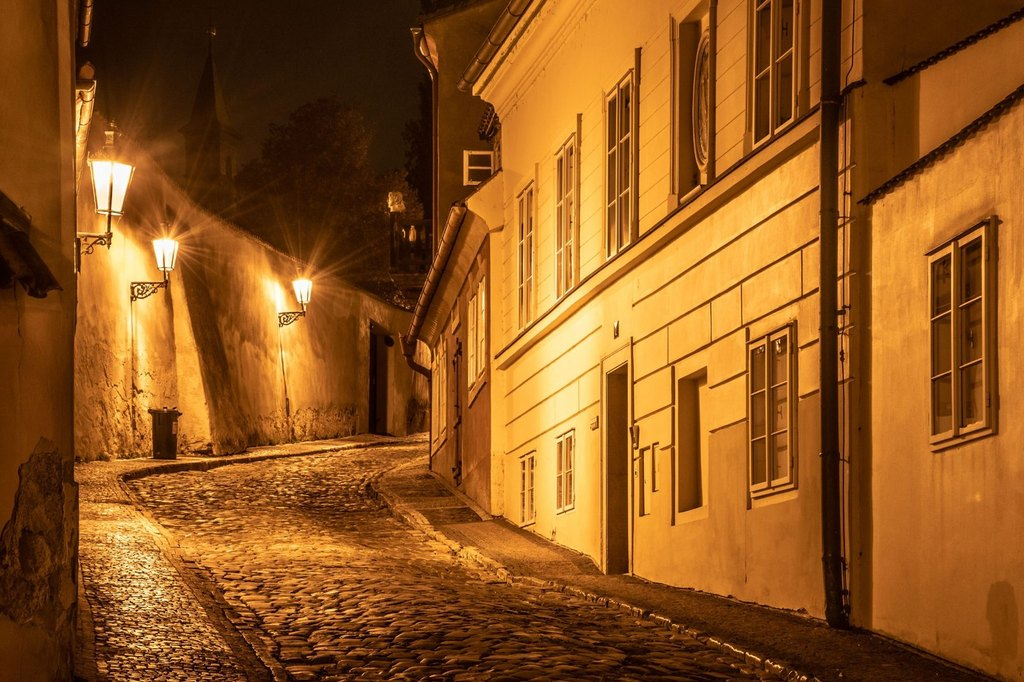
Prague has a reputation for being mysterious after dark, and it is easy to understand why. The historic centre is filled with narrow streets, old courtyards, medieval buildings and quiet passages that can feel completely different once the daytime crowds disappear.
Ghost and legends walks explore stories connected with places such as the Old Town, Charles Bridge, the former Jewish Quarter and medieval Prague. Some stories are linked to historical characters, while others belong to folklore passed down through generations. The famous legend of the Golem, for example, has become closely associated with Prague’s Jewish history and its mysterious image.
What to Expect on a Prague Ghost Walk
It is worth remembering that legends are not the same as documented history. A good dark-history walk should make that distinction clear rather than presenting every supernatural story as fact. That does not make the stories less enjoyable. In many cases, the legends reveal something interesting about the traditions, fears and beliefs of the people who created them.
The timing can also make a big difference. A narrow street that looks completely ordinary in the afternoon may feel much more atmospheric after sunset. If you are looking for more ideas beyond a ghost or legends walk, our guide to Prague Night Activities covers other ways to experience the city after dark, from evening river cruises and nighttime photography to exploring the historic centre after the crowds leave.
You do not have to believe in ghosts to enjoy this type of walk. Sceptical travellers can appreciate the folklore while learning more about Prague’s history and traditions.
➤ If you enjoy the darker side of the city, our guide to dark stories in Prague explores some of the strange legends and unsettling stories hidden around the city.
PraguePeek tip: Winter evenings get dark early, which can actually make this type of walk easier to fit into your sightseeing schedule.
4. Art Nouveau Prague
Best for: Architecture lovers, photographers and art enthusiasts
Best time: Late afternoon
Walking level: Easy
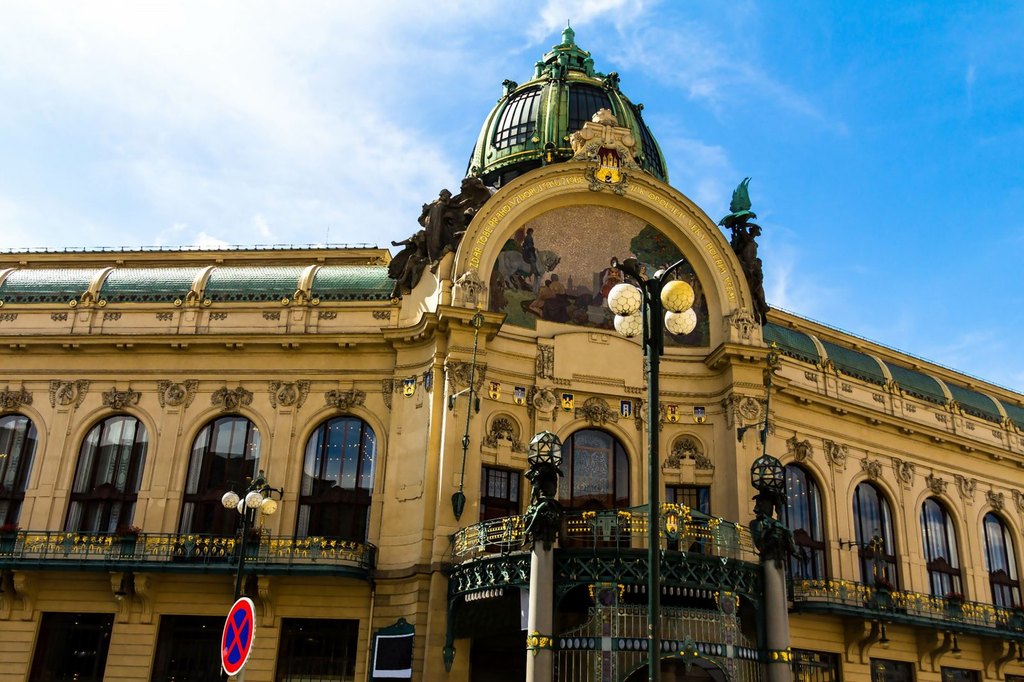
Art Nouveau is one of the easiest Prague architectural styles to appreciate once someone shows you what to look for. The city contains an impressive collection of decorative façades, stained glass, mosaics, sculptural details and flowing lines, but many visitors walk past them without looking closely.
An Art Nouveau route changes that. Instead of simply travelling between attractions, you start looking at the buildings themselves. A doorway becomes interesting. A balcony becomes worth photographing. Decorative figures above a shop can suddenly tell you something about the period in which the building was created.
The Municipal House is an obvious highlight, but it should not be the only reason to take this kind of walk. The real pleasure comes from seeing how the style appears throughout central Prague and comparing it with other architectural periods.
Prague’s connection with Alfons Mucha makes this theme particularly interesting. Mucha became one of the most recognisable artists associated with the Art Nouveau movement, and Prague contains several places connected with his life and work. Prague City Tourism has developed a Mucha Trail with thematic routes, allowing visitors to explore these connections independently.
The best part of an Art Nouveau walk is that it changes how you see the rest of the city. Once you learn to recognise the style, you start noticing examples without needing someone to point them out.
➤ If architecture is the main reason you are exploring Prague, our guide to Prague architecture covers the city’s major styles and some of its most impressive buildings.
PraguePeek tip: Keep your camera ready, but don’t spend the entire walk looking through your screen. Many of the smallest architectural details are easier to appreciate with your own eyes.
5. Cubist Prague
Best for: Design lovers and travellers looking for something unusual
Best time: Daytime
Walking level: Easy
If you have already seen Prague’s most famous sights and want something that feels genuinely different, Cubist Prague is a strong choice. The city is unusual because Cubism was applied to architecture and decorative design here in a way that is not common elsewhere.
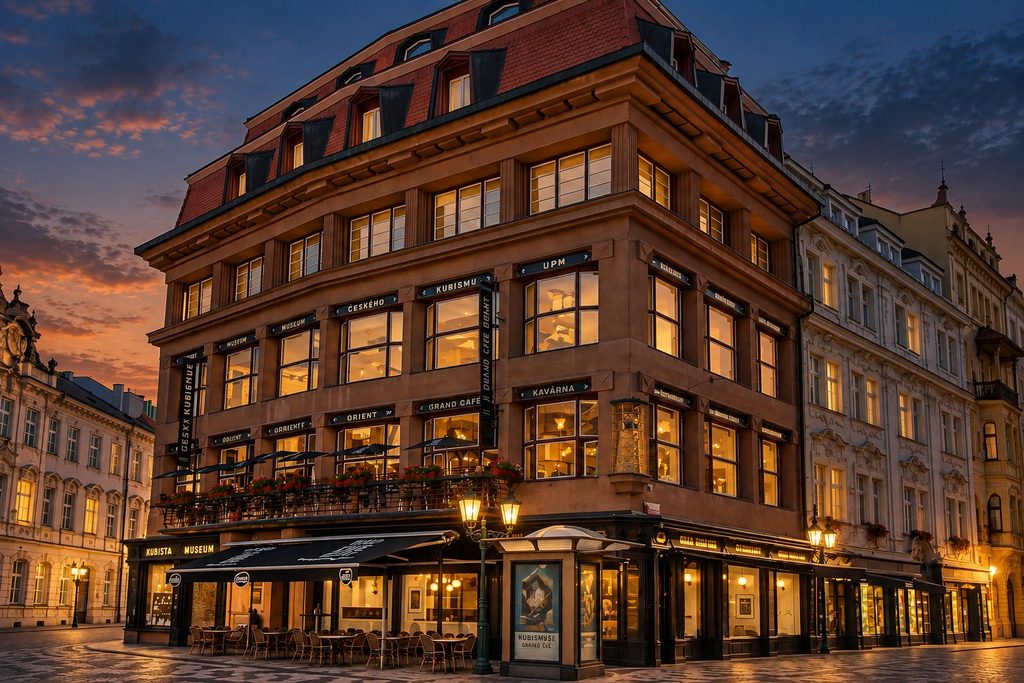
Instead of the curves and floral decoration associated with Art Nouveau, Cubist buildings often use sharper geometric forms. You may notice angular façades, unusual window shapes, triangular patterns and faceted surfaces. Once you understand the visual language, you start recognising details that would otherwise blend into the streetscape.
The House of the Black Madonna is one of the best-known examples and is a natural starting point for understanding Czech Cubism. But the experience becomes more interesting when you move beyond one famous building and begin looking at the wider collection of Cubist and Rondo-Cubist architecture around Prague.
This is also one of the few walks where you do not need a huge amount of historical knowledge to enjoy yourself. A guide or good route description can explain the basic principles, and after that you can start identifying the characteristics yourself.
For PraguePeek readers, this is exactly the kind of route worth considering if you have already completed the standard tourist circuit. You are not simply finding another attraction. You are learning a new way of reading the city’s architecture.
Best season: Spring through early autumn is comfortable for spending several hours outside, although the route works year-round.
6. Jewish Prague
Best for: History and culture enthusiasts
Best time: Morning or early afternoon
Walking level: Easy
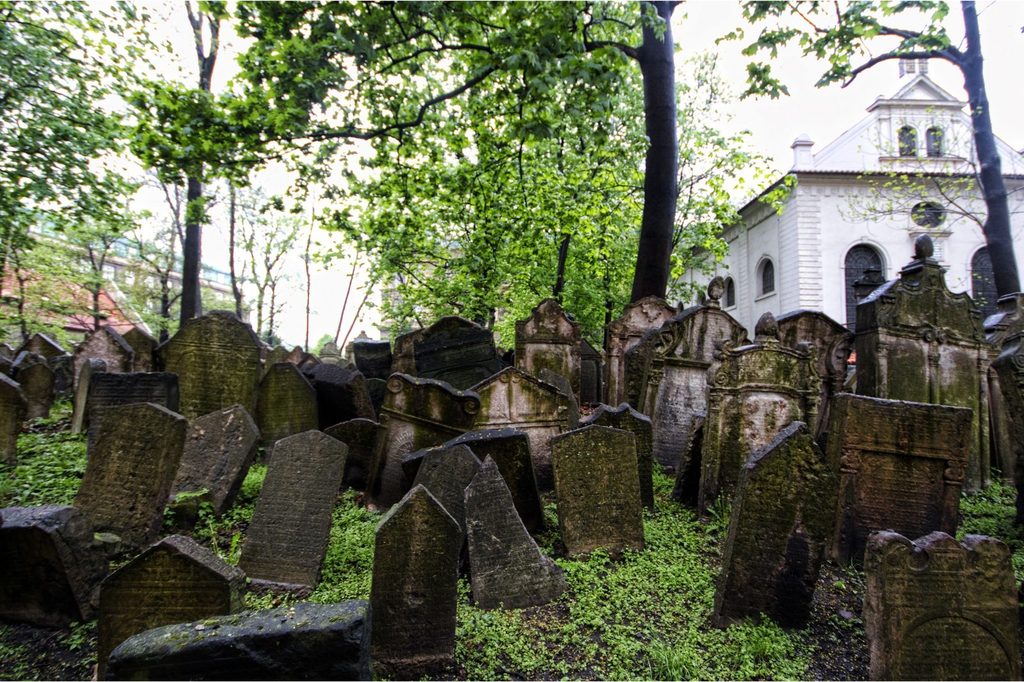
A Jewish Prague walk requires a slightly different approach from some of the lighter themed experiences on this list. Josefov is not simply another picturesque neighbourhood to photograph. Its streets, synagogues, cemetery and surviving buildings are connected to centuries of Jewish life in Prague, as well as persecution, political change and the destruction caused by the Holocaust.
That context is important because it changes how you understand what you are seeing. The Old Jewish Cemetery, for example, is not interesting simply because it looks old. It represents generations of Prague’s Jewish community and has a history that deserves to be approached with respect.
The synagogues and other sites around Josefov can also be understood more meaningfully when you know something about the community that used them. A good historical route should give you that background rather than simply moving visitors from one building to the next.
This walk also connects naturally with Kafka’s Prague. Kafka was part of Prague’s German-speaking Jewish community, so visitors interested in his life will encounter some of the same neighbourhoods. However, the two walks have very different purposes. Kafka’s route focuses on an individual and his relationship with the city, while a Jewish Prague route explores a much larger community and its history.
If you are visiting the Jewish Quarter, allow enough time to absorb the information rather than trying to rush through it between other attractions.
PraguePeek tip: This is one of the walks where reading a little background before you arrive can make a major difference to what you take away from the experience.
7. Communist Prague
Best for: Modern history enthusiasts and repeat visitors
Best time: Daytime
Walking level: Easy to moderate
Prague’s history did not end with medieval kings and Baroque churches. Some of the city’s most important modern stories happened within living memory, and a Communist Prague walk provides a very different perspective from the traditional historic-centre itinerary.
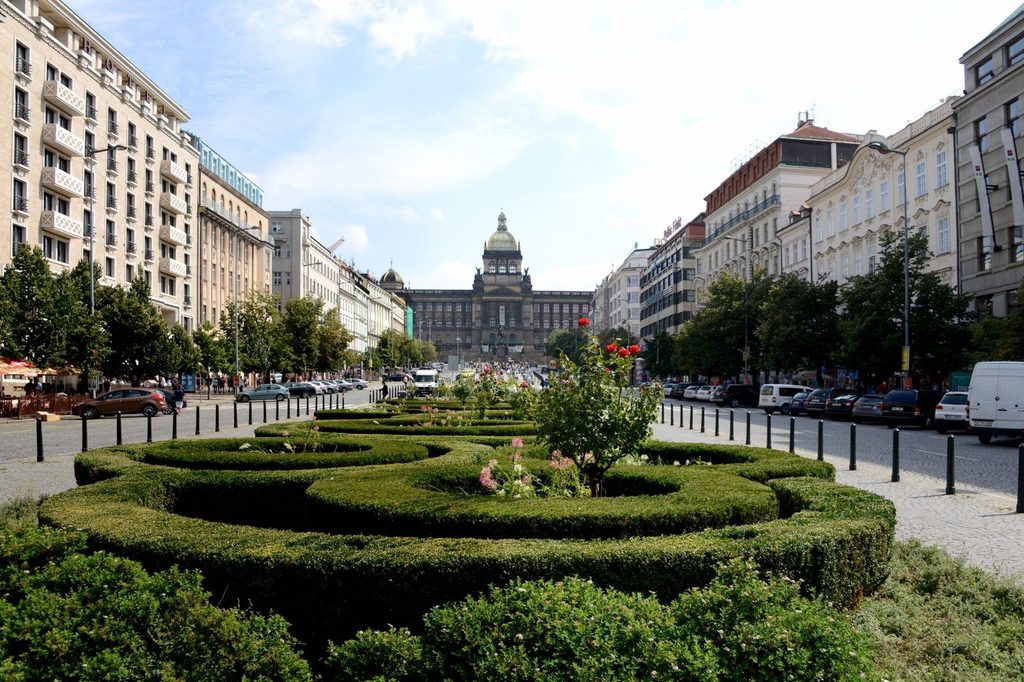
Wenceslas Square is an obvious place to begin because of its role in major political demonstrations, particularly during the Velvet Revolution of 1989. But a good route should go beyond simply standing in the square and hearing a few dates. Look at the surrounding buildings, public spaces and monuments and consider how the city functioned during the Communist period.
The interesting question is not only what happened politically. It is what everyday life felt like for ordinary people. Where did they shop? How did public spaces change? What did architecture communicate? What happened when people began protesting? How did Prague change after the fall of communism?
These questions make the walk much more personal than a simple history lesson.
It is particularly suitable for repeat visitors because it takes you away from the standard medieval image of Prague. If your first trip was dominated by castles, cathedrals, churches and historic squares, this route can show you the city as a twentieth-century European capital dealing with a completely different set of political and social realities.
Best season: Any season works, although daytime is preferable because several parts of the experience depend on seeing buildings and public spaces clearly.
8. Prague Food and Beer Walks
Best for: Food lovers and travellers who like combining sightseeing with local culture
Best time: Late afternoon or early evening
Walking level: Easy
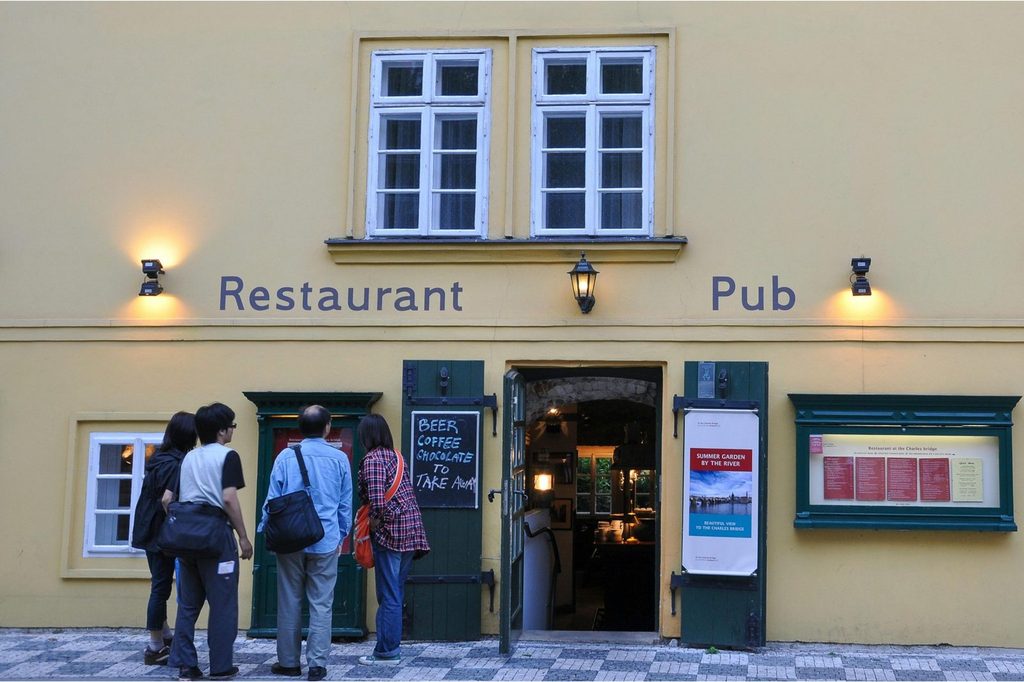
A food-themed walk is one of the easiest ways to make sightseeing feel less like sightseeing. Instead of spending the day moving from one attraction to another and then trying to find somewhere to eat, you can build the food into the route itself.
Czech cuisine is much more varied than the stereotypical image of heavy food and beer suggests. Traditional dishes, bakeries, cafés, desserts and local drinking culture all tell part of the story of Prague.
The advantage of combining food with walking is that you can see where the city eats rather than simply being taken to one restaurant. A route might take you through historic cafés, traditional restaurants, markets or neighbourhood streets before stopping for something to eat.
There is also an important practical side to this. Food walks can help first-time visitors become more comfortable with Czech menus and local eating customs. Instead of looking at an unfamiliar menu and ordering whatever sounds safest, you begin to understand what some of the dishes actually are and why they are part of Czech culture.
Beer can naturally become part of the experience too, but it does not need to dominate it. A good food walk is about understanding Prague’s food culture, not seeing how many drinks you can consume before the route ends.
If you want to turn your food walk into a bigger culinary experience, our Prague food guide covers traditional Czech dishes, where to try them and useful dining tips.
PraguePeek tip: Leave some space in your stomach. The worst possible strategy for a food walk is arriving after a huge lunch because you were worried you might get hungry.
9. Prague Through Film, Public Art and Pop Culture
Best for: Film fans, photographers and travellers who prefer contemporary culture
Best time: Daytime
Walking level: Easy
Not everyone wants to spend three hours learning about medieval kings, and that is perfectly fine. Prague has a modern cultural side that can make an excellent walking experience for visitors who are more interested in film, public art, contemporary culture and unusual urban spaces.
One way to approach this is through Prague’s connection with film. The city’s historic streets and architecture have made it a natural setting for filmmakers, while its mixture of old and modern neighbourhoods provides a surprisingly varied backdrop.
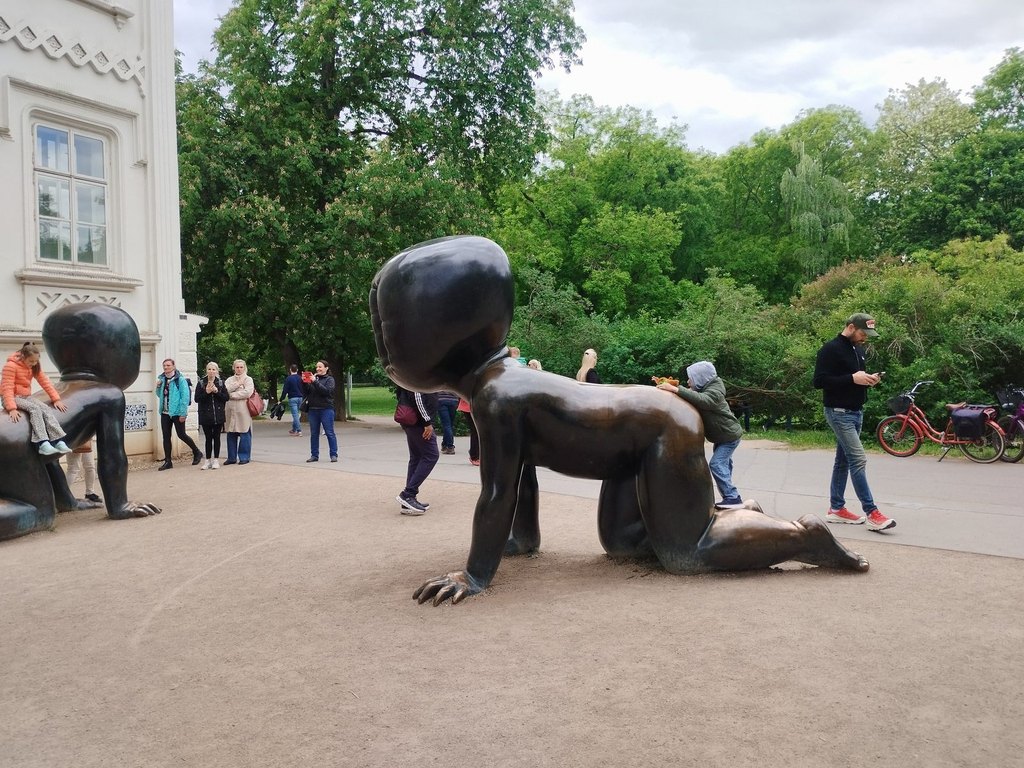
Public art offers another route into modern Prague. The work of Czech artist David Černý is a particularly good example. His unusual sculptures can be found in different parts of the city, often making visitors stop and wonder what they are looking at. A walk connecting several of these works becomes almost a scavenger hunt through Prague.
What makes this type of route appealing is that it encourages curiosity rather than requiring specialist knowledge. You can look at a strange sculpture, discuss what you think it means, take a photograph and continue walking.
For travellers who have already done a traditional historical tour, this can be a refreshing change of pace. Prague suddenly becomes less about what happened hundreds of years ago and more about how people are interpreting the city today.
If you are looking for more fun things to do in Prague beyond traditional sightseeing, there are plenty of other creative, unusual, and interactive experiences to explore.
PraguePeek tip: Don’t expect every artwork or film connection to have an obvious explanation. Sometimes the fun is simply figuring out what you are looking at.
10. Hidden Prague
Best for: Repeat visitors, photographers and independent travellers
Best time: Spring, summer and early autumn
Walking level: Easy to moderate
This is the walk I would save for the traveller who tells me, “I’ve already seen Prague.”
Because if you have already visited Charles Bridge, walked through Old Town Square and spent time around Prague Castle, you may not need another list of famous sights. What you need is a reason to explore somewhere you have never bothered to look before.
Explore Prague Beyond the Historic Centre
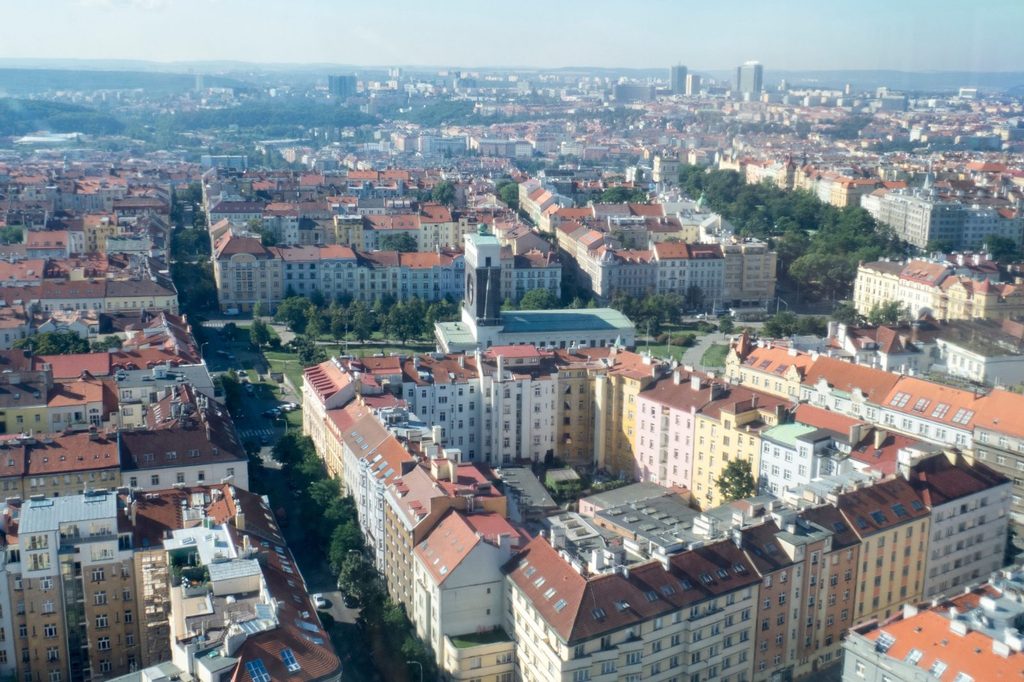
Hidden Prague is less about one historical subject and more about following your curiosity. Instead of asking what attraction you should visit next, ask which neighbourhood you have never properly explored.
Karlín, Vinohrady, Žižkov, Holešovice, Bubeneč and Troja can all offer very different experiences from the historic centre. Prague City Tourism also publishes routes through several of these areas, helping visitors explore beyond the most heavily visited parts of the city.
The best thing about this type of route is that it does not have to be perfectly planned. Pick a neighbourhood, choose a handful of places that interest you, and leave time for unexpected discoveries. You might find a courtyard, a tiny gallery, an interesting building or a café that never appeared on your itinerary.
That freedom is what makes Hidden Prague so enjoyable. You are not trying to prove that you have “completed” Prague.
You are simply exploring it.
➤ Prague’s quieter corners can also reveal some wonderfully strange stories. If you enjoy discovering the unusual characters behind the city, our story of Ferda Mestek, Prague’s eccentric flea-circus impresario, is a fascinating example of the kind of character you might never hear about on a standard sightseeing route.
PraguePeek tip: Walk one way and deliberately return by a different route. You will be surprised how much you can miss when you only follow the most obvious streets.
5 Mistakes Tourists Make With Prague Themed Walks
Choosing the right route can make a big difference to your experience, but there are also a few easy mistakes that can turn a great walk into a tiring or disappointing one. Here are five things to keep in mind before setting out on one of Prague’s themed walks.
1. Assuming Every Themed Walk Is Just a Regular Tour
The first mistake is assuming that a themed walk is simply a normal walking tour with a different name. It is not. A well-designed themed route changes the purpose of the walk. Instead of showing you a little bit of everything, it concentrates on one particular story, period, person or type of architecture. That can make the experience much more interesting, but it also means you need to choose a theme that genuinely interests you.
2. Expecting Every Route to Include the Famous Landmarks
Another common mistake is expecting every themed route to include all the famous landmarks. Some visitors book an architecture walk and wonder why the guide spends so much time looking at buildings away from Charles Bridge. Others choose a literary route and are surprised that the itinerary does not stop at every major attraction in the historic centre. The absence of famous sights is sometimes deliberate. The whole point of a themed walk is to make you notice things that a conventional sightseeing itinerary might overlook.
3. Underestimating the Walking Distance
Walking distance is another factor people underestimate. Prague’s historic centre is compact, but that does not mean every walk is effortless. Cobblestones, stairs, hills and long stretches of pavement can make several hours of walking more tiring than expected. If you are travelling with children, older relatives or anyone who is not comfortable walking for long periods, check the route and duration before committing to it.
4. Trying to Fit Too Much Into One Day
It is also easy to plan too much. Prague encourages this because so many attractions are relatively close together. You might look at a map and think you can fit an architecture walk, a museum, another walking route and an evening tour into one day. On paper it works. In reality, you will probably spend the entire day watching the clock instead of enjoying the city.
5. Treating the Walk Like a Checklist
The final mistake is treating the walk like a checklist. The best experiences often happen when you slow down. A building may have a tiny detail above a doorway that is more interesting than the entire façade. A guide may tell you a story that makes you want to stay in a particular square for another ten minutes. If you are constantly thinking about reaching the next stop, you can miss the reason you chose a themed walk in the first place.
➤ If you want more advice on avoiding common tourist mistakes, our guide to things to avoid in Prague covers everything from overcrowded attractions and tourist-trap restaurants to rushing your visit and missing the quieter parts of the city.
Prague Themed Walks Compared
Choosing between ten different ideas can be harder than it sounds, especially if you are only in Prague for a few days. Before booking anything, think about the kind of experience you actually want rather than simply choosing the theme with the most attractive title.
If you are travelling for the first time, history is usually the safest option because it gives you context for the places you are already visiting. If you are returning to Prague, look towards architecture, modern history or lesser-known neighbourhoods. Evening visitors may enjoy legends, while photographers are likely to get more from Art Nouveau, Cubism or Hidden Prague.
| Walk | Best for | Ideal time | Walking level |
|---|---|---|---|
| Kafka’s Prague | Literature and history | Morning or late afternoon | Easy to moderate |
| Medieval Prague | First-time visitors | Morning | Easy |
| Ghosts and legends | Evening atmosphere | After sunset | Easy |
| Art Nouveau Prague | Architecture and photography | Late afternoon | Easy |
| Cubist Prague | Design and architecture | Daytime | Easy |
| Jewish Prague | History and culture | Morning | Easy |
| Communist Prague | Modern history | Daytime | Easy to moderate |
| Food and beer | Local cuisine | Late afternoon | Easy |
| Film and pop culture | Contemporary culture | Daytime | Easy |
| Hidden Prague | Repeat visitors | Daytime | Easy to moderate |
Exact duration, route length, prices and availability depend on whether you choose an organised tour, a museum-based experience or a self-guided route. Always check the current details before setting out.
Guided vs Self-Guided Prague Themed Walks
One of the biggest advantages of exploring Prague this way is that you are not limited to traditional guided tours. Both approaches have their strengths, and the better option depends on the theme and on how you prefer to travel.
A guided walk is particularly valuable when the subject depends on stories, historical context or details that are difficult to understand without explanation. Jewish history, Communist Prague, Kafka and ghost legends are good examples. A knowledgeable guide can explain why a location matters, answer questions and point out things you might otherwise walk straight past.
A self-guided route is different. You have control over the pace, which can be a huge advantage if you are travelling independently. You can stop for photographs, sit down for coffee, spend twenty minutes inside a church or skip a location that does not interest you. Prague City Tourism currently provides self-guided walking routes covering different themes and parts of the city, so this is a realistic option rather than simply a theoretical alternative.
The choice also depends on your personality. Some travellers love having someone explain everything as they walk. Others find a group distracting and would rather have their phone or map in their hand and discover the city independently.
There is no universal winner.
For a historical subject where context matters, I would lean towards a good guide. For architecture, photography or neighbourhood exploration, self-guided can be just as enjoyable and sometimes even better.
Self Guided Walks Prague: Are They Worth It?
Self guided walks Prague options are especially useful for travellers who dislike fixed schedules or simply want to explore without being tied to a group. They allow you to start when you want, pause whenever something catches your attention and change your plans without worrying about falling behind a guide.
They are also useful for families and photographers. A child might want to stop and look at something unexpected, while a photographer may need several minutes to get the right angle on a building. Neither situation works particularly well when a group is waiting on the pavement.
The downside is that you have to prepare a little more. A guide automatically provides context, while a self-guided route is only as useful as the information behind it. Before leaving, save the route, check opening hours for any attractions along the way and make sure you understand where the starting point is.
Do not rely entirely on finding information while walking. Prague’s historic streets can be surprisingly confusing, especially when you are trying to follow a route while also paying attention to the buildings around you.
The best approach is to prepare the basics beforehand and then leave room for spontaneity.
➤ If you are planning a longer self-guided route, public transport can also help you connect different parts of the city without wasting time walking between distant areas. Our guide to Prague attractions by metro shows which major sights are closest to each station, making it easier to combine metro rides with your own walking route.
How to Choose the Right Prague Themed Walk for You
If this is your first trip to Prague, start with history. A medieval route will give you context for many of the famous places you are likely to visit anyway, so it can make the rest of your trip more meaningful.
If you have already visited Prague, resist the temptation to repeat exactly the same itinerary. Try Communist Prague, Cubist architecture or a neighbourhood walk instead. You may recognise the city, but the experience will feel different.
Literature lovers should look at Kafka. Architecture fans have several excellent directions to choose from, particularly Art Nouveau and Cubism. Travellers who prefer atmosphere over historical detail may enjoy a legends walk after sunset.
If food is one of the main reasons you travel, make it part of the route rather than something you squeeze between attractions. And if you dislike organised groups, there is absolutely no reason to force yourself onto one. Self-guided routes can give you much more control.
The most important question is simple:
What would make you stop and look twice?
That is probably your best theme.
What Happens If You Choose the Wrong Walk?
Choosing the wrong walk is not going to ruin your Prague trip, but it can easily waste a few valuable hours.
Imagine you are fascinated by architecture but book a general history tour because it has the highest number of reviews. You may still learn plenty, but you could spend the afternoon hearing about subjects that do not really interest you while walking past buildings you would have loved to examine more closely.
The opposite can happen too. A visitor who loves history may choose an architecture route expecting a detailed historical narrative and end up frustrated when the focus is mainly on façades, materials and design.
This is why matching the theme to your interests matters more than chasing the “best” tour.
There is also the question of experience level. A first-time visitor may benefit enormously from a route through medieval Prague because it provides a foundation. A third-time visitor may find the same route less rewarding and get much more from Hidden Prague.
Think of themed walks as different lenses.
You are not choosing the objectively best lens.
You are choosing the one that helps you see something you want to see.
How to Build Your Own Prague Themed Walk
You do not always need a formal tour company to create a memorable route.
A simple formula works surprisingly well: choose one subject, select four to six meaningful stops, leave time for one café or food stop, and keep at least an hour unplanned.
For an architecture walk, you might connect several Art Nouveau buildings and then finish at a historic café. For a Kafka route, you could select a few locations connected with his life and spend some time reading about the writer while sitting somewhere nearby. With a food-themed route, our Prague Food & Beer Experiences guide can help you turn the walk into a more complete culinary experience.
With Hidden Prague, choose a neighbourhood rather than a list of famous attractions and let the streets determine where you go next.
The important thing is to avoid turning your self-guided route into another checklist.
An interesting building that wasn’t on the plan is a good reason to stop.
A quiet street might be worth following for a few minutes.
And if you discover a café you like, give yourself time to sit down and enjoy it.
That flexibility is one of the biggest advantages of exploring Prague independently.
FAQ About Prague Themed Walks
The best walk depends on your interests. Kafka’s Prague suits literature lovers, while Art Nouveau and Cubist walks are ideal for architecture enthusiasts. Ghost walks are a good evening option, while Hidden Prague is especially useful for repeat visitors.
A historical or medieval-themed walk is a good starting point. It introduces Prague’s history while taking you through many of the central sights you are likely to visit anyway.
Yes. Prague City Tourism offers self-guided walking routes covering different neighbourhoods and themes. They are ideal if you prefer exploring at your own pace without joining an organised group.
Yes, particularly if you want historical or cultural context that you might miss when exploring alone. Self-guided routes can be just as rewarding for architecture, photography and neighbourhood walks.
Hidden Prague is a strong choice because it takes you beyond the city’s classic sights. Communist Prague, Cubist Prague and Kafka’s Prague are also good options for a more specific experience.
Comfortable walking shoes are essential. Prague has cobblestones, uneven surfaces, stairs and some hills. Dress according to the weather, especially for longer walks or evening tours.
Final Thoughts
The easiest way to experience Prague is to follow the famous route. You know where it goes, you know what you are supposed to photograph and you can probably find the same itinerary repeated across dozens of travel websites.
But Prague becomes much more interesting when you give yourself a different reason to explore it.
Follow Kafka instead of a checklist. Look for Art Nouveau details instead of simply looking at buildings. Learn what Cubism looks like. Walk through the city after dark and listen to its legends. Explore the history of Josefov. Think about what Prague looked and felt like during the Communist period. Eat your way through the city. Or, if you’ve already seen the famous landmarks, simply choose a neighbourhood and start walking.
You don’t need to see everything.
You just need to notice more.
And that is ultimately what makes Prague themed walks so worthwhile.
 Popular Themes: Medieval History, Ghost Stories, Legends, Architecture & Hidden Prague
 Best Areas: Old Town, Lesser Town, Jewish Quarter, Prague Castle & Historic Streets
 Best Time for Walks: Spring–Autumn (comfortable weather & longer days)
 Perfect For: Couples, Families, Friends & Solo Travelers
 Photo Tip: Early morning and late afternoon offer great light and fewer crowds
 How to Get Around: Metro, Trams & Walking, most meeting points are easy to reach
 What to Wear: Comfortable walking shoes and weather-appropriate clothing
 Budget Tip: Compare different tour options, as self-guided and group walks can suit different budgets
 Local Tip: Weekdays and early morning walks are often quieter around popular historic areas
 Recommended Duration: 1–3 hours, depending on the route and theme you choose