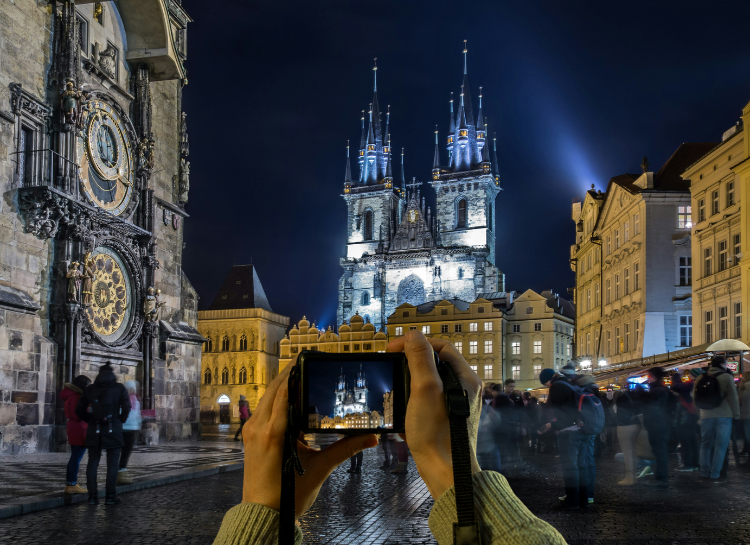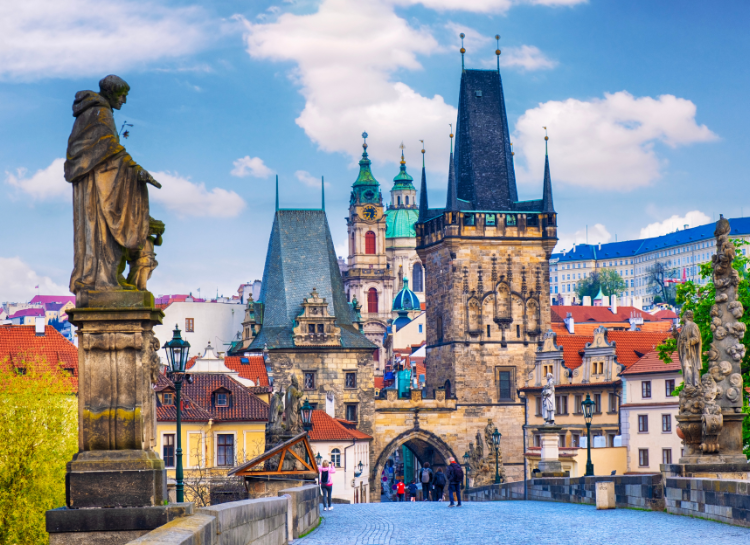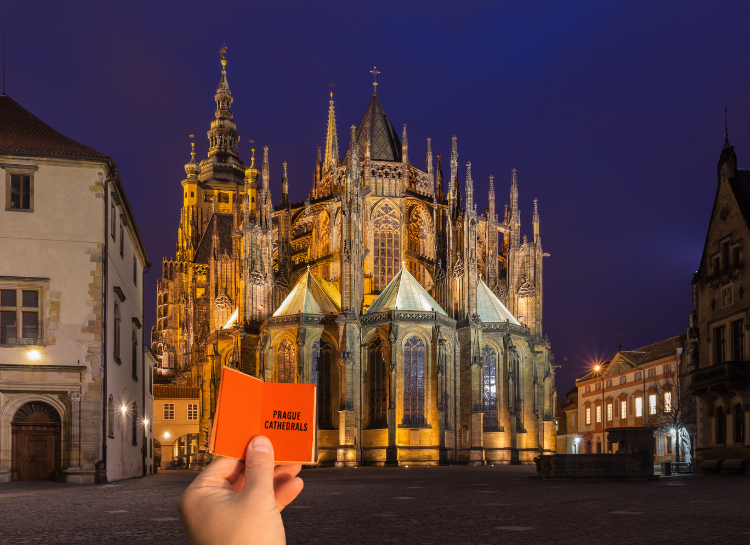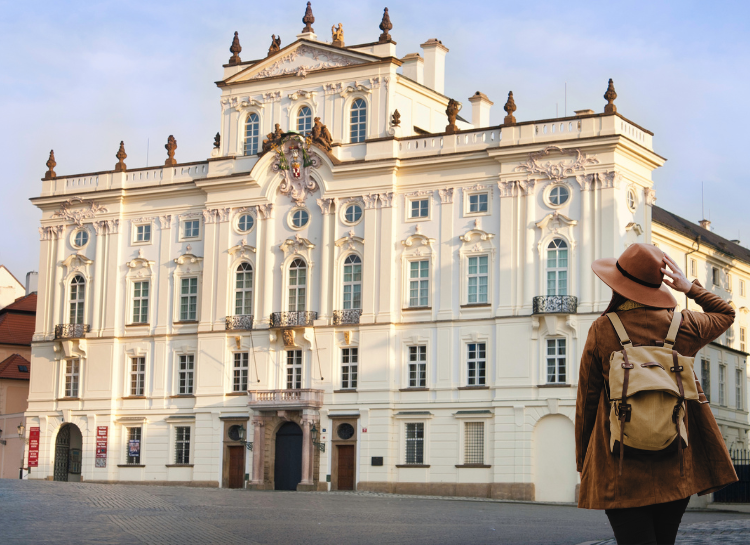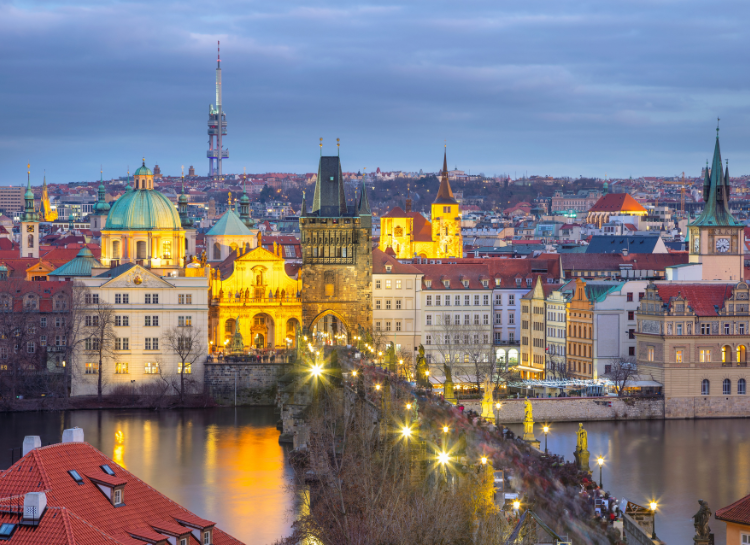

Dark stories in Prague start where the tour groups stop. While everyone’s taking photos of the Astronomical Clock, the real city is one street over. Down an alley with no name. Behind a church door that’s been locked since 1621. This isn’t the Prague of fairy tales and beer gardens. This is the Prague that survived plagues, fires, Nazis, and secret police. And it remembers everything.
You feel it first in the cobblestones. They’re uneven, worn smooth by 1000 years of boots. Kings and executioners walked here. Alchemists tried to make gold in cellars beneath the Castle. A rabbi breathed life into clay on a Friday night and prayed he could put it back before sundown. The Czech Crown Jewels are cursed. The Charles Bridge has a statue that sweats. There are 28 crosses in Old Town Square for 27 men who were beheaded for asking for religious freedom. Beauty and blood. That’s Prague’s actual brand.
So forget the 2-hour walking tour. This is the version locals tell after midnight, over a beer. 16 dark stories in Prague with the real names, the real places, and what actually happened. I’ve mapped each one so you can go see them yourself. Read this before you go, or read it when you get home and wonder why that one corner of the city felt so heavy. These are the dark stories in Prague.
1. The 28 Crosses: One of the Darkest Stories in Prague
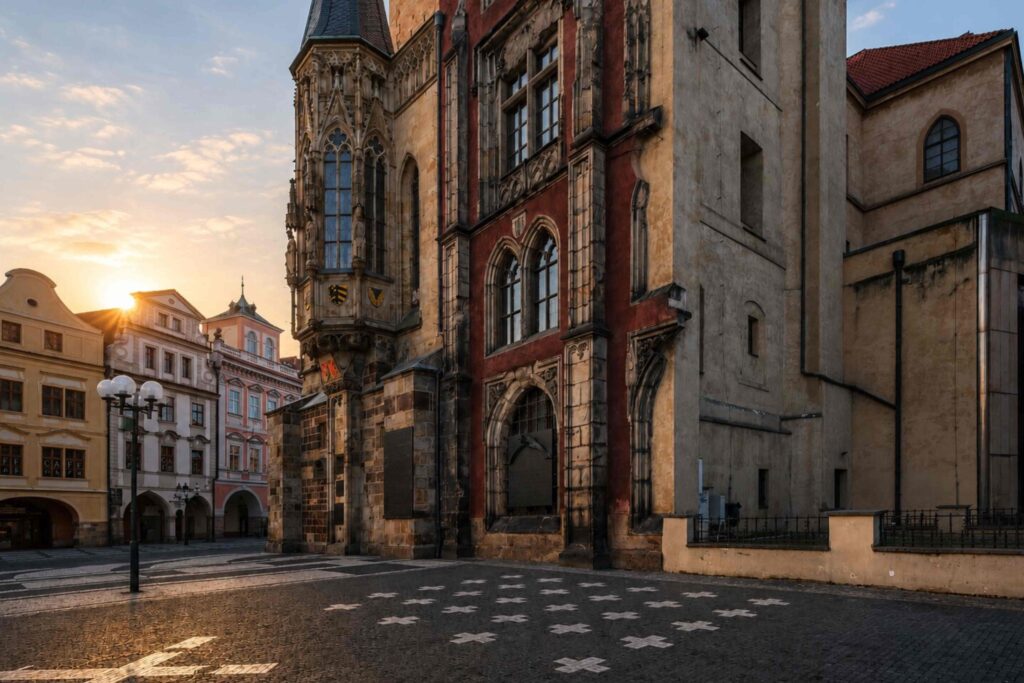
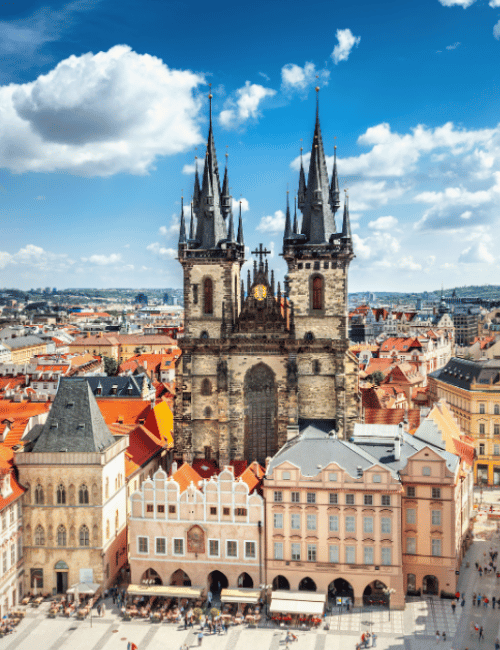
If you stand in the center of Old Town Square and look down, you’ll see them. 28 small white crosses set into the cobblestones. Most tourists are too busy filming the Astronomical Clock to notice.
June 21st, 1621 was the worst day in Czech history. After the Battle of White Mountain, the Habsburgs crushed the Bohemian revolt. As punishment, 27 Czech nobles, knights, professors and burghers were executed right here. Drums beat so loud their last words were drowned out. It was meant to break a nation’s spirit. And it almost worked.
But killing wasn’t enough. For 10 years, their heads were pickled and displayed in iron cages on the Old Town Bridge Tower. Imagine walking across Charles Bridge to work and seeing your professor’s face rotting above you. That’s psychological warfare.
For 400 years there were 27 crosses. Then in 2011, art group Ztohoven added a 28th at 3am. Their claim: Martin Fruwein of Podolí. He slit his own throat in prison, so the Habsburgs beheaded his corpse anyway. The city debated removing it. They didn’t. The 28th cross stayed.
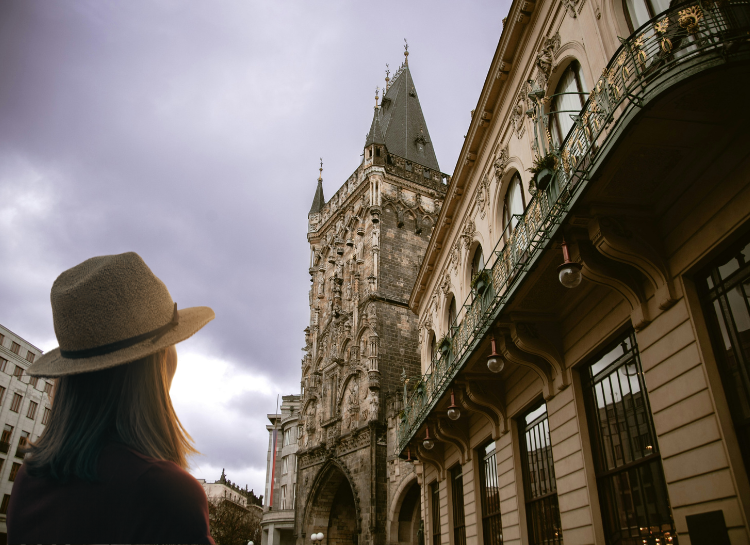
How to find it: Stand with your back to Týn Church. The crosses are 10m in front of the Old Town Hall tower. Go at 6am in winter. No crowds. Just you and 400 years of weight.
Local note: Flowers appear here every June 21st. It’s not for tourists. It’s a Czech day of mourning. This is ground zero for the dark stories in Prague.
2. Jan Hus: The Monument That Outlasted 3 Empires
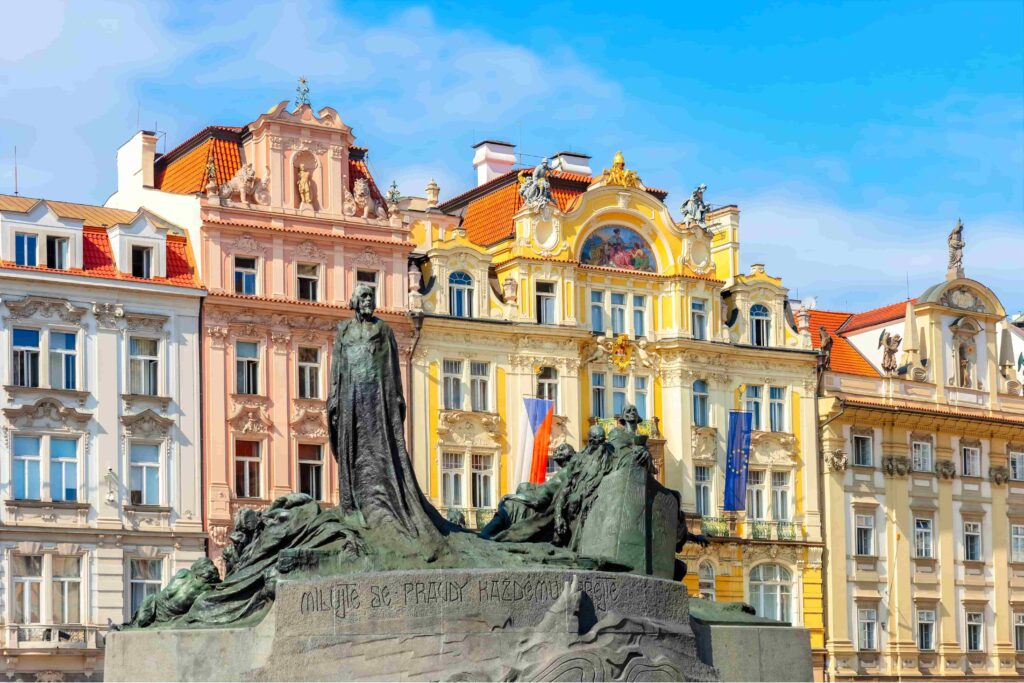
The statue in Old Town Square is impossible to miss. Jan Hus stands 5 meters tall, looking straight at the Castle. Around him: Hussite warriors, exiles, and a mother with a child.
Hus was burned at the stake in Constance in 1415 for preaching in Czech and calling out the Church. But in Bohemia he became something bigger. He was the first Czech to say “We won’t be told what to believe.” That idea is dangerous to empires.
The statue went up in 1915, 500 years after his death. That timing was not accidental. In 1915 Bohemia was still ruled by Austria. Erecting a monument to a heretic was a protest. Then history kept using this square.
1969: Jan Palach set himself on fire here to protest the Soviet invasion.
1989: 200,000 people filled this space during the Velvet Revolution and rang keys to say “the Communists are leaving.” The Nazis banned gatherings here. The Communists did too.
Local tip: July 6th is Hus Day, a national holiday. People lay flowers at the base. He isn’t about religion anymore. He’s about resilience. That’s why every empire that tried to erase him failed. And why he’s part of the dark stories in Prague that still matter today.
3. The Cursed Crown Jewels: 7 Locks and 1 Terrible Legend
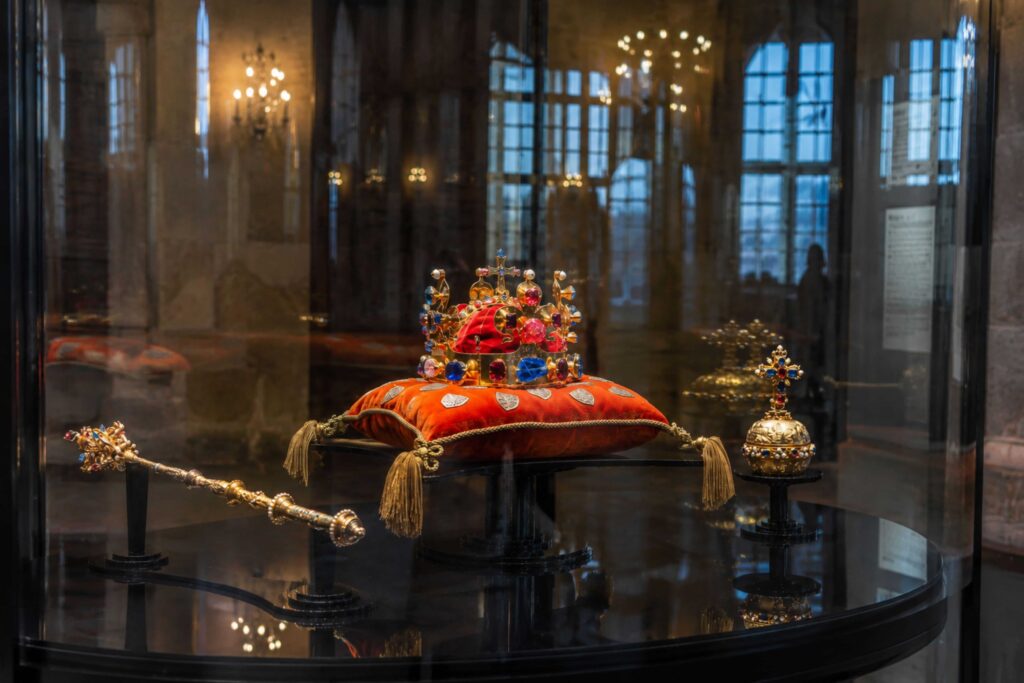
Inside St. Vitus Cathedral is a door that looks boring. It has 7 keyholes. Behind it: the Czech Crown Jewels. The Crown of St. Wenceslas, scepter, orb, and coronation sword from the 10th century.
The security is unbelievable because the trust is zero. The 7 keys are split between: President, Prime Minister, both Speakers of Parliament, Archbishop, Dean of St. Vitus, and Mayor of Prague. They only meet for presidential inaugurations. No single person can open it.
Now the curse. “Whoever puts on the crown without being the rightful heir will die within a year.” In 1941, Reinhard Heydrich tested it. As Hitler’s Reich Protector, he ran Prague from the Castle and was called “The Hangman of Prague”. He had the crown brought out and tried it on. On June 4, 1942, Czech paratroopers assassinated him in Prague. He died in hospital a week later. Less than a year.
Can you see them? Almost never. Last public display was 2025. The crown alone weighs 2.5kg and is worth millions. Castle guides tell this story in a whisper. Because even if you don’t believe in curses, Czechs do. It’s one of the dark stories in Prague that guides won’t skip.
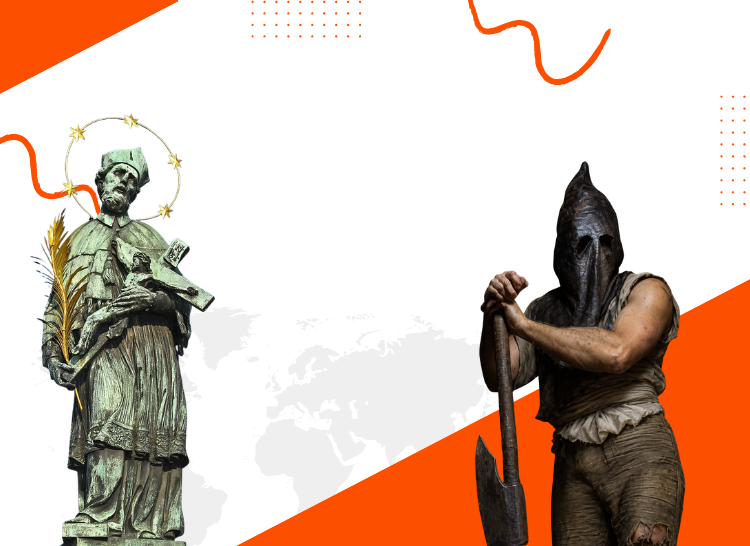
4. St. John of Nepomuk: Why Everyone Rubs 5 Stars on Charles Bridge
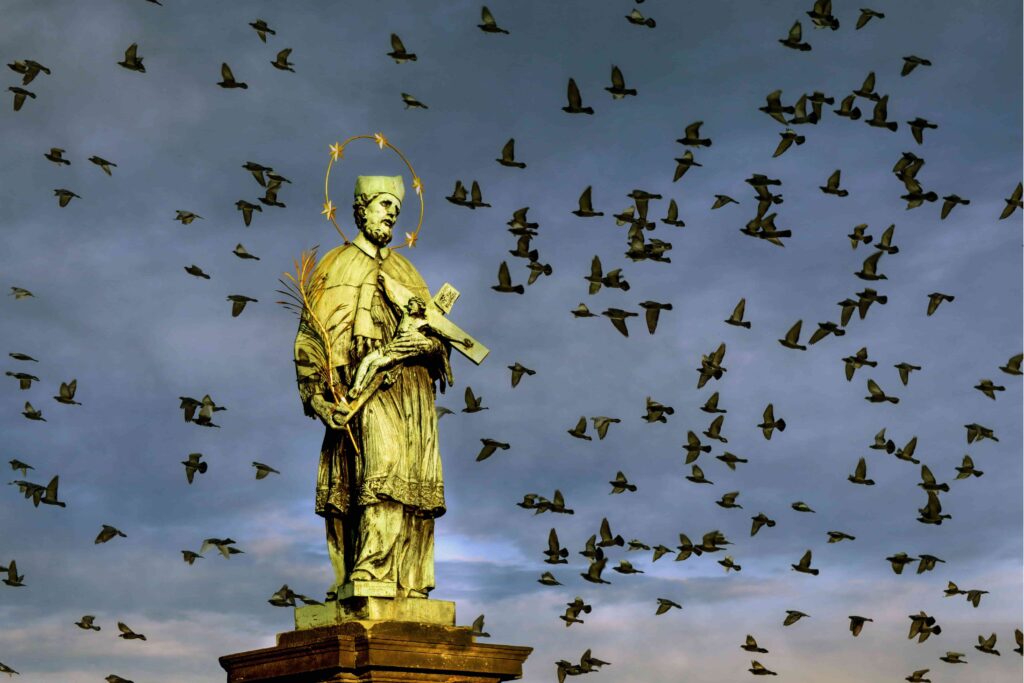
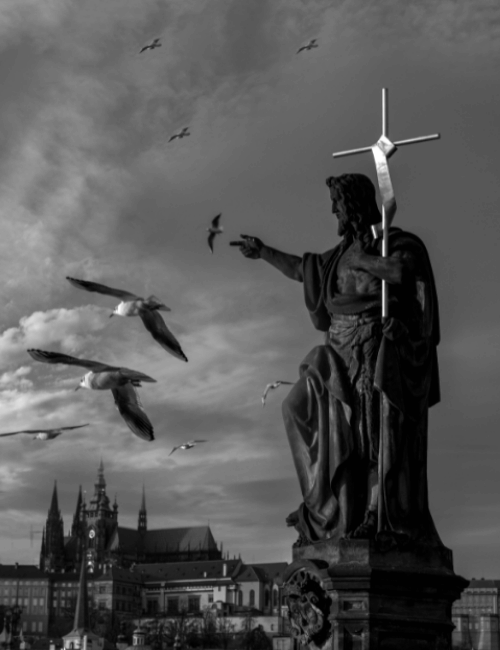
Charles Bridge, statue #8. There’s always a line to touch it. That’s St. John of Nepomuk.
King Wenceslas IV was jealous and overly suspicious. He demanded John, the Queen’s confessor, tell him what she said in confession. John refused. Seal of confession. So the King had him tortured and thrown off the bridge into the Vltava at night. The next morning, 5 stars appeared over the spot where he drowned. When they pulled his body out, legend says his tongue was still intact. A miracle.
Today every statue of him has 5 stars above the head. On the bridge, rub the 5 stars and the 2 dogs on the bronze relief at the base. Tourists do it for luck. Locals do it because their grandma told them to.
Pro tip: Go at sunrise. No line. You can feel the bronze worn smooth from millions of hands. He’s the patron saint of bridges, secrets, and Bohemia. If you visit Prague once, you have to touch him. It’s a small ritual in the bigger dark stories in Prague.
5. The Mummified Arm in St. James Church: Don’t Steal From Mary
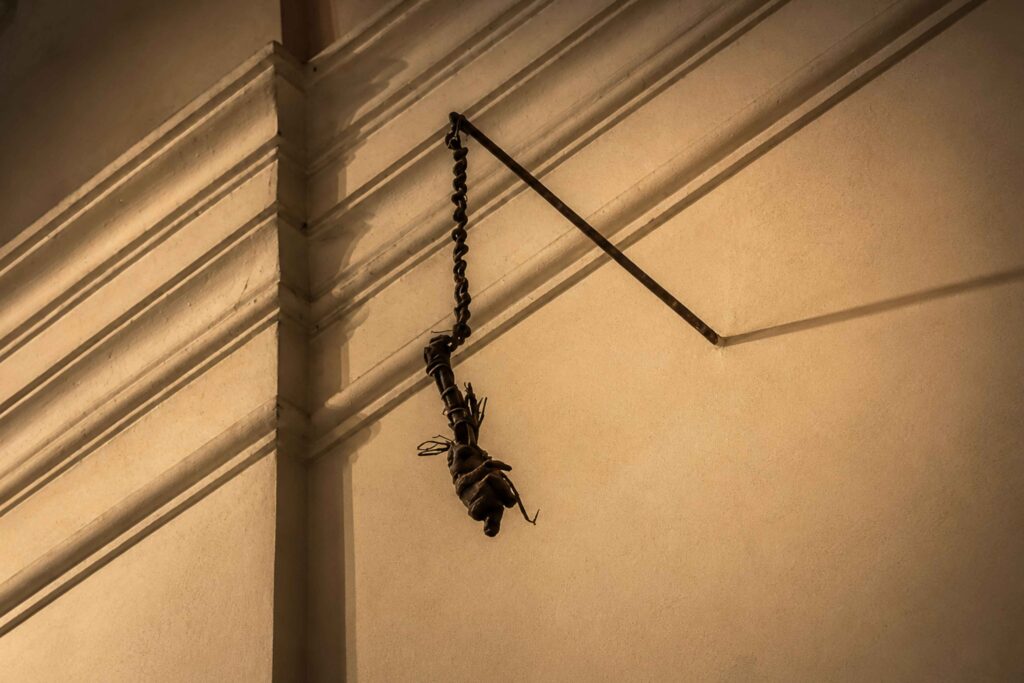
Church of St. James. Baroque. Easy to miss from the street. Walk in and look up near the organ loft.
There’s a shriveled arm hanging from a chain. 1600s. A thief broke in to steal jewels from the Virgin Mary statue. The moment he touched her, her stone hand grabbed his wrist. He was stuck all night, screaming. In the morning the monks found him. To get free he cut off his own arm. He died. The church kept the arm as a warning.
Is it real? The church says yes. Scientists say wax and leather. Doesn’t matter. Every Czech kid hears this story. It’s also one of the few churches in Prague that survived WWII bombings intact. Locals say Mary protected it.
How to find: 5 min walk from Old Town Square. Left side when you enter. Don’t use flash. The priest will yell. Kids love this one when they hear the dark stories in Prague.
6. August 1968: The Night Prague Beat an Army With Street Signs
August 21, 1968. 11pm. Dubcek tried to reform Communism. Moscow said no. 500,000 Warsaw Pact troops rolled in.
The plan: invade at midnight when the radio was off. But Czechoslovakia didn’t do daylight savings. So the radio was on. The broadcast: “We are being invaded. Do not fight. Confuse them.“
And Prague did. People tore down street signs. Turned them around. Painted “Moscow →” on them. Villages renamed themselves “Dubcek“. Soviet tank crews, 18-year-olds who thought this was a training exercise, drove in circles for hours.
It didn’t stop the occupation. Dubcek was flown to Moscow. But for one night, civilians beat an army with intelligence and humor.
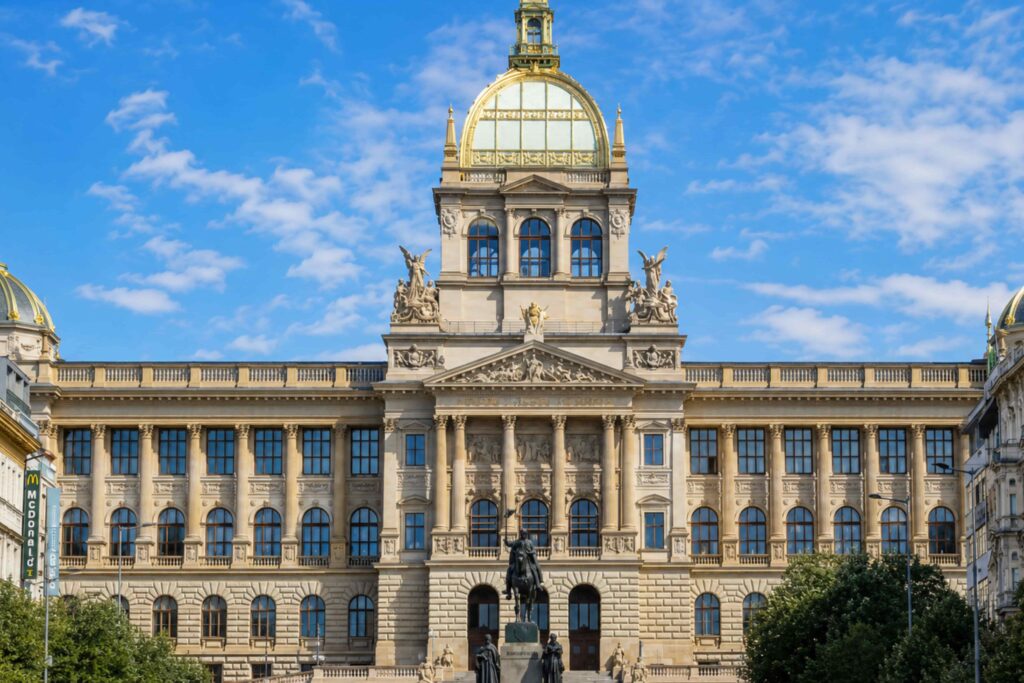
Where to see it: Bullet holes from 1968 are still on the National Museum on Wenceslas Square. They left them there on purpose. Go touch them. Modern history is part of the dark stories in Prague too.
➤ The city has more than just legends. If you want to explore more museums where you will find strange things, read the article 17 Unusual Museums in Prague You Won’t Find in Guidebooks
7. Hitler’s Mistake in Prague: The Rudolfinum Statue Story
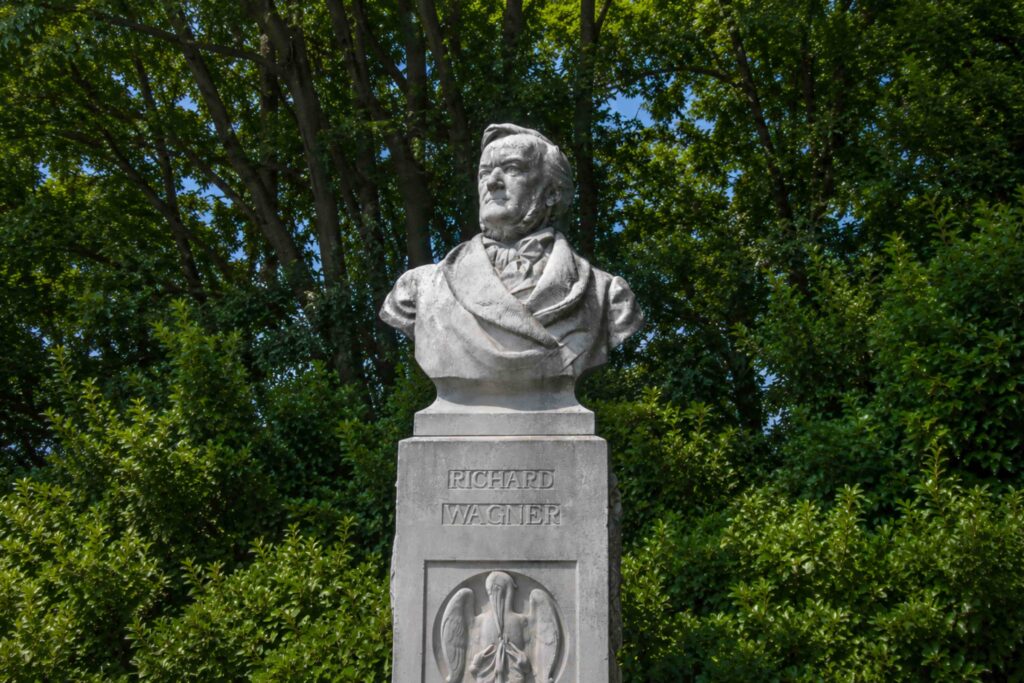
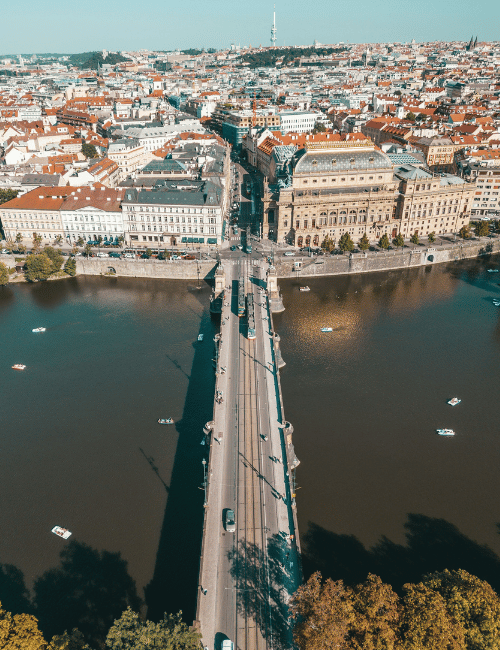
Walk past the Rudolfinum concert hall on Jan Palach Square and look up. In the niches outside you’ll see statues of composers staring back at you.
In 1940, the Nazis gave an order: remove all “Jewish” statues. Felix Mendelssohn was on the list. He was Jewish, and Hitler hated him.
The problem? The workers had no idea which statue was Mendelssohn. So they used Nazi logic.
“Big nose equals Jewish.“
They scanned the row, found the composer with the largest nose, and tore him down.
It was Richard Wagner. Hitler’s favorite composer.
Mendelssohn stayed untouched. Wagner ended up in a storage yard.
The local irony is perfect. Today the Rudolfinum is home to the Czech Philharmonic. And yes, they still play Wagner there every year. Prague didn’t have to fight back. History did it for them.
Guides love telling this one because it’s petty, absurd, and very Prague. It’s one of the weirdest dark stories in Prague from WWII, a mistake so foolish it feels like the city got the last laugh.
8. Charles Bridge: Dark Stories Behind the Eggs and the Magic Date
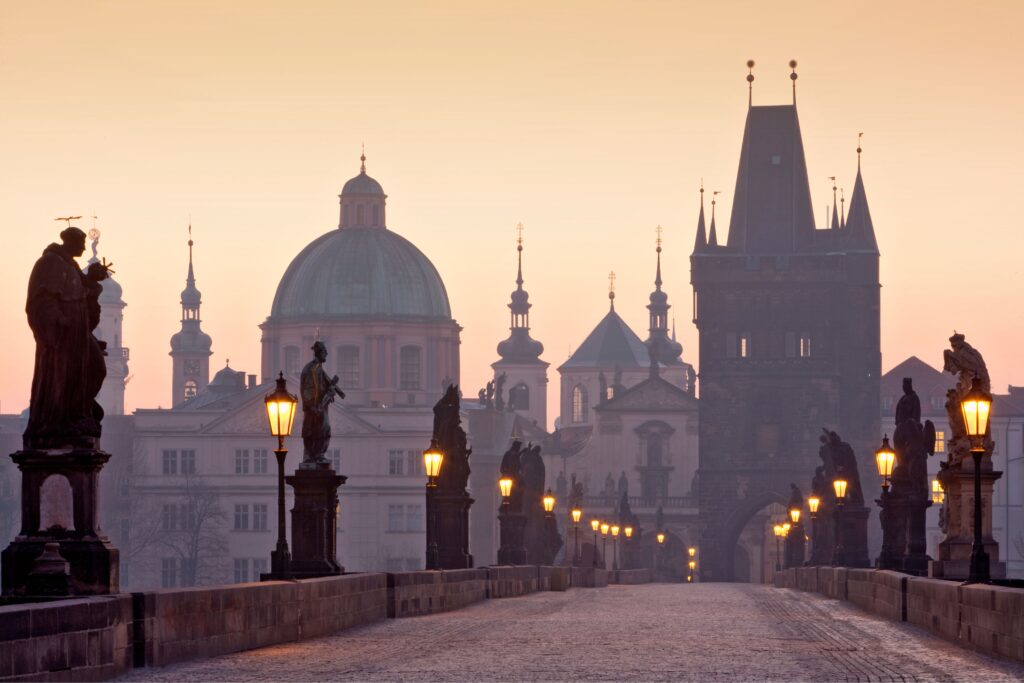
If you’ve walked Charles Bridge, you’ve felt it. The stones are uneven. The statues watch you. And somehow, after 650 years, it’s still standing.
It starts with a king who was obsessed with the stars.
July 9, 1357. 5:31am.
King Charles IV climbed onto the scaffolding at dawn on purpose. His court astrologers picked the time.
The date: 1-3-5-7-9-7-5-3-1
A perfect palindrome. Read it forward or backward, it’s the same. In medieval numerology that meant balance and divine protection.
Charles believed if he laid the first stone at that exact minute, the bridge would never fall.
But he wanted it physically strong too.
He sent messengers to every town in Bohemia with one order: Send eggs. Thousands of them.
The egg whites and yolks were mixed straight into the mortar. The proteins were meant to bind the stone.
One town, Velvary, took it too far. They were afraid of breaking eggs on the 3-day trip to Prague. So they boiled every single egg first. Shell and all.
Historians still argue if those hard-boiled eggs are actually inside the bridge today.
Did it work?
The Vltava has tried to take the bridge down 30 times. The 2002 flood hit 6 meters high and tore apart buildings nearby. Charles Bridge held. Cracks, yes. But it didn’t go down. Even the Nazis planned to blow it up in WWII. The order never came.
Pro tip: Come at 5:31am on July 9th. No one does. The bridge is empty, the light is gold, and you’re standing on the exact minute it was born.
9. The Dancing House: “Fred and Ginger” That Survived Communism
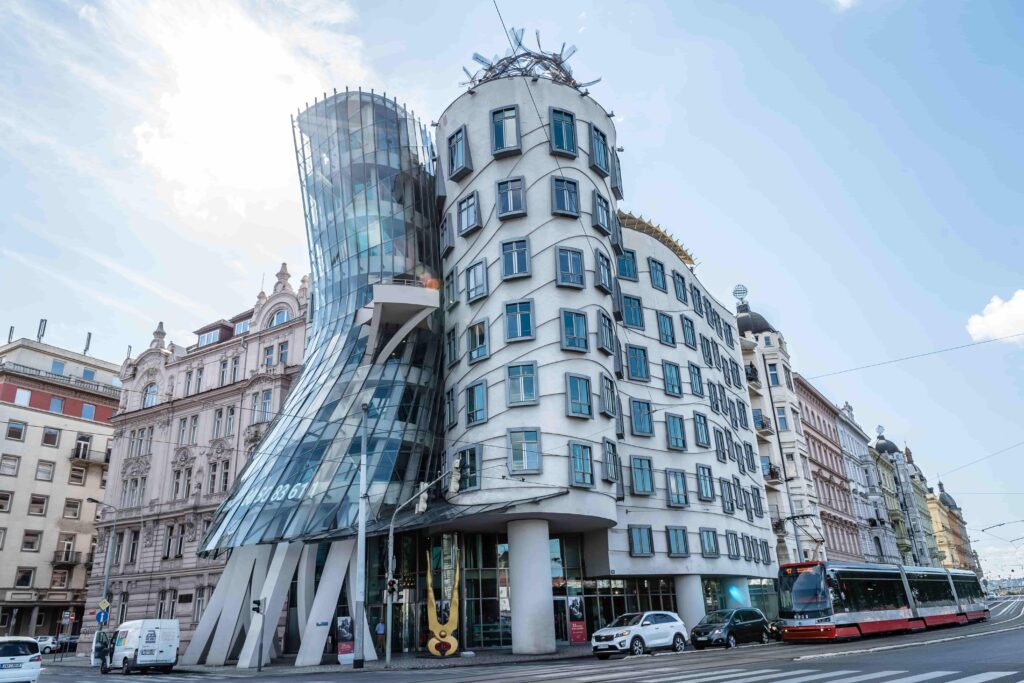
Prague 2, on the riverbank. It looks like two people dancing. Built 1996 on a lot bombed by the US in 1945. For 50 years it was an empty lot because Communists didn’t know what to do with it.
Frank Gehry and Vlado Milunić designed it as “Fred and Ginger”. Fred shows the straight tower. Ginger shows the glass tower leaning into him. It was meant to symbolize democracy dancing with Communism.
➤ Want the full story behind why it’s called Fred & Ginger? I broke it all down in my article Prague Dancing House: The Stunning Tribute to Fred and Ginger
Locals hated it at first. Called it “The drunk house“. Now it’s on every postcard.
Inside tip: The top floor restaurant Ginger & Fred has the best view of Prague Castle at sunset. Book 2 weeks ahead. Prague grows on you like that. Even modern buildings have dark stories in Prague behind them.
10. The Golem: The Darkest Legend in Prague’s Jewish Quarter
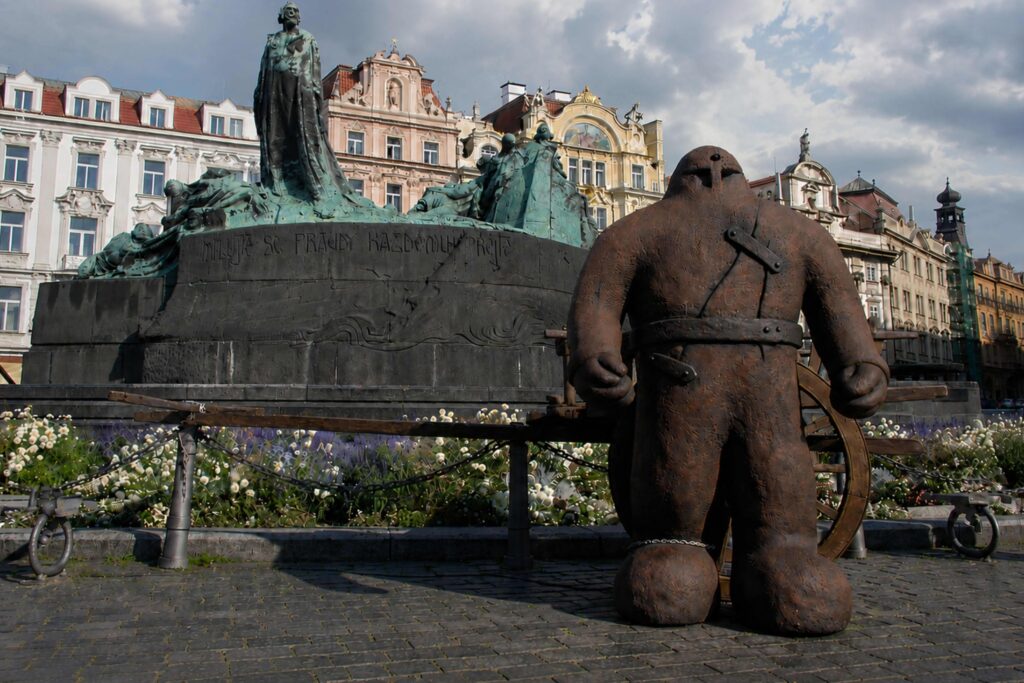
Josefov, 1580s. The Jewish ghetto was under constant threat. Pogroms could start any night, and the Emperor wasn’t always there to stop them.
So the people turned to Rabbi Loew, the Maharal of Prague. A scholar and mystic who knew the old secrets.
One night he went to the Vltava and gathered clay. Back in his study he shaped it into a man, tall, strong, silent. Then he placed a piece of parchment with the word “emet” which means “truth” into its mouth and whispered the sacred name. The clay opened its eyes. The Golem was alive.
Its job was to patrol the ghetto at night. It broke up fights. It scared off attackers. For a while it worked.
But the Golem had no soul. It couldn’t tell friend from enemy. It started getting violent, breaking doors and hurting people by accident. The Rabbi knew he had to stop it.
The next night he erased the first letter on its forehead.
Emet which is truth became met which equals death. The Golem fell to the ground and turned back to clay.
Where is it now?
Legend says the pieces are still in the attic of the Old New Synagogue. The attic has been sealed for centuries. Only the Chief Rabbi has the key.
Walk down Paris Street and look up. There’s a small window on the top floor. Guides will whisper “That’s where he sleeps.“
Today he’s everywhere, Golem beer, Golem statues, Golem tours. Prague’s original protector. And the most famous of all the dark stories in Prague.
11. The Astronomical Clock: The Curse of Master Hanuš
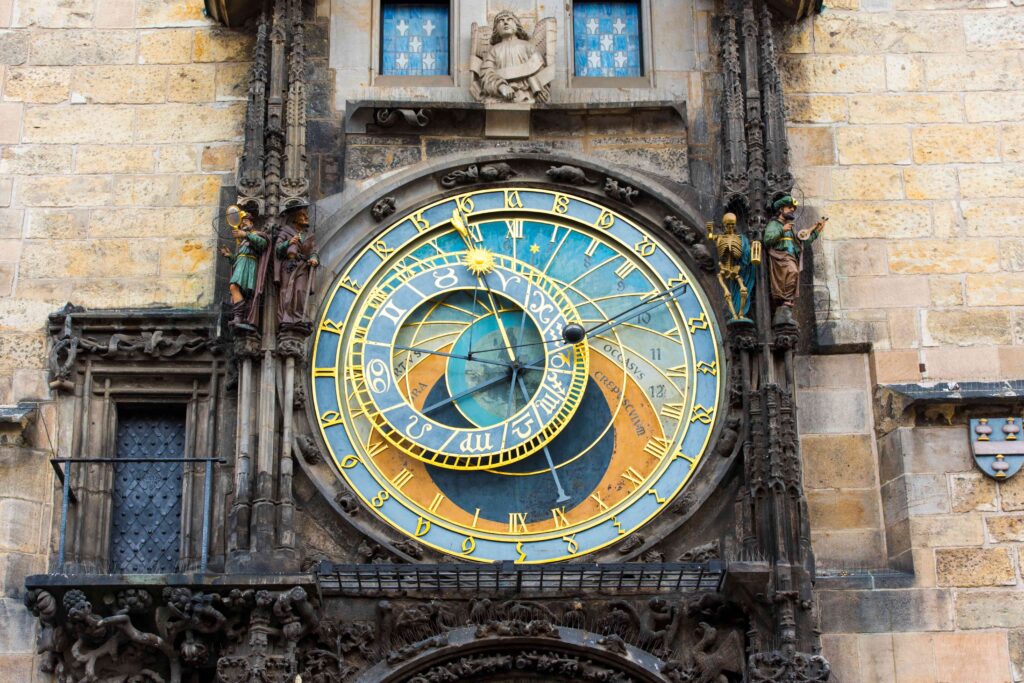
The Orloj. 1410. Every hour on the hour: Death rings the bell, the 12 Apostles parade in the windows, and the rooster crows at the top.
Legend says it was built by Master Hanuš, the most gifted clockmaker in Bohemia. When the city council realized what he’d made, they grew overly suspicious. What if he built something even more beautiful for another city?
They invited Hanuš to the Town Hall for “maintenance work.” Once inside, they seized him and burned out his eyes with a red-hot iron. The goal was brutal: if he couldn’t see, he could never build another Orloj.
Months later, Hanuš begged for one final visit. “Just let me touch it.” They led him to the tower. He ran his hands over the gears he knew by heart… and tore them apart. The clock stopped. Hanuš died beside it.
That’s when the superstition began: If the Orloj stops, Prague is in trouble. In 2002 the flood came within 10cm of the mechanism. In 1945 the Nazis tried to ship it to Germany. Both times, the city held its breath. Both times, the clock survived.
Historians still argue if Master Hanuš was real. Records from 1410 are gone, and he’s first mentioned 300 years later. Some say the blinding story was made up to explain breakdowns. But in Prague, facts don’t kill legends.
Pro tip: Go at night for the 9pm show. No crowds, no phones in the air. Just the sound of wood and gears turning behind the dial. It doesn’t feel like a tourist attraction. It feels like the city is breathing. For more things to do after dark, see our guide to Prague Night Activities.
12. The Headless Templar of Charles Bridge
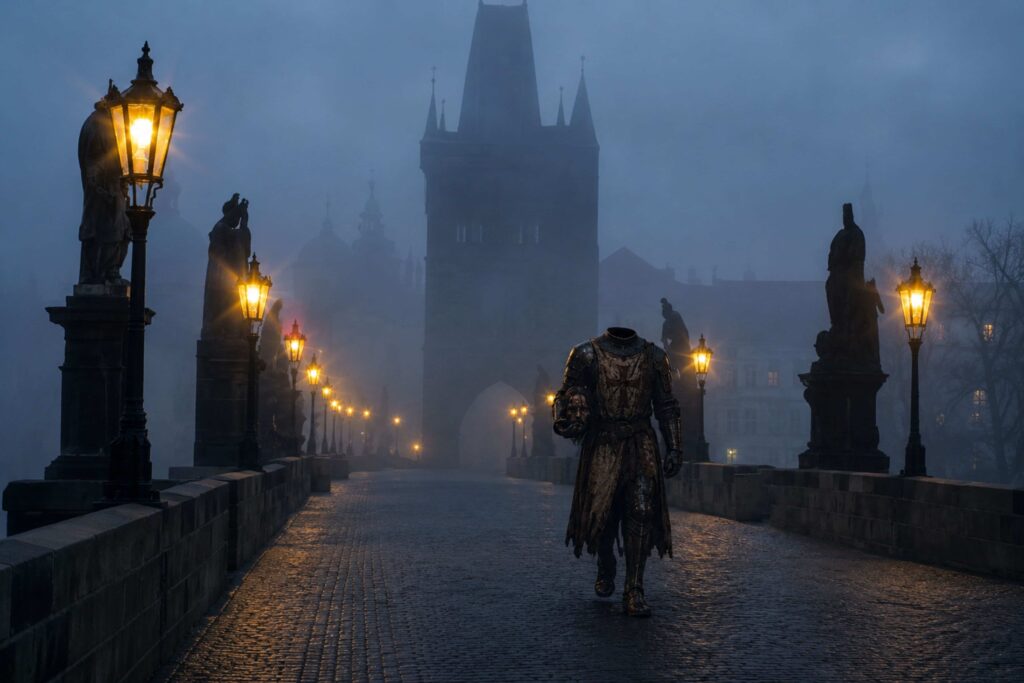
2am. Fog rolling off the Vltava. Charles Bridge is empty except for the statues watching you.
People still report seeing him. A knight in full armor, walking slow down the stones. And he’s carrying his own head under his arm.
The legend: Crusades era. A Templar knight came to Prague and betrayed his order. For treason, he was tried and beheaded right here on the bridge. His body was thrown into the Vltava, but his spirit never left. Now he walks every night, looking for the head he lost. Or maybe looking for peace.
Most sightings happen near statue #8, St. John of Nepomuk. Locals say that’s where he was executed. If you stand there late, you might hear armor clanking, even when no one’s around.
Tour guides will tell you it’s just drunk tourists and shadows. But then they’ll also tell you not to go alone.
The rule: If you see him, don’t speak to him. Don’t follow him. The Templar isn’t violent, but he’s restless. And restless ghosts on Charles Bridge are part of why these dark stories in Prague never die.
13. Faust House: Where The Devil Came to Collect
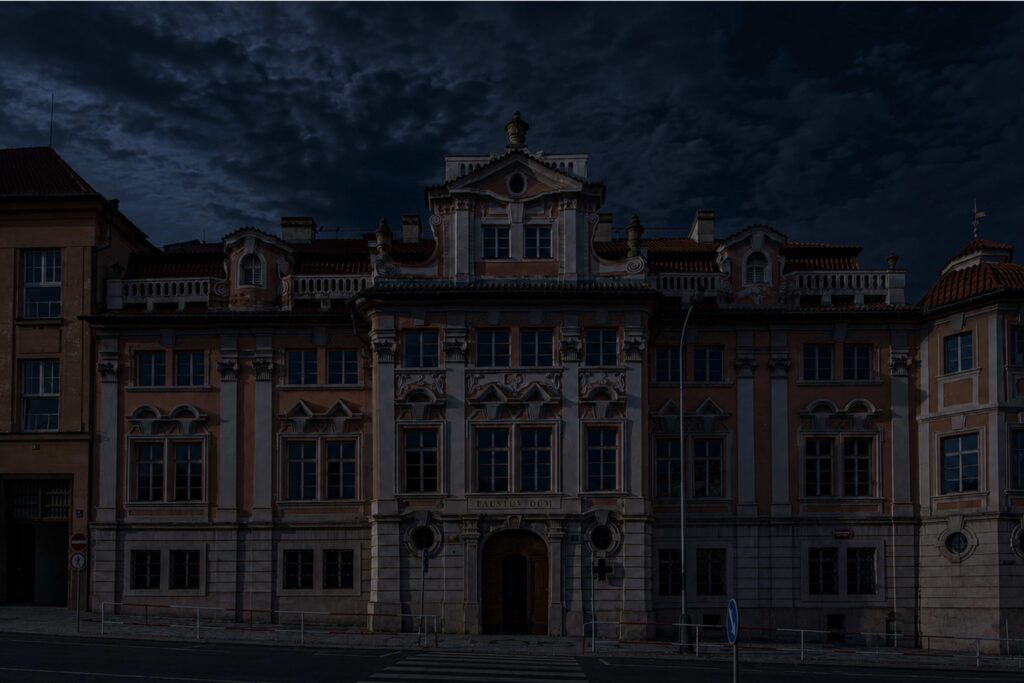
Karlovo náměstí. Yellow building. Looks completely normal in daylight.
But in the 1500s this was Prague’s center for dark magic. First, the English alchemist Edward Kelley lived here. He was trying to turn lead into gold for Emperor Rudolf II. Later, the legend changed. People said the real tenant was Dr. Faustus himself.
The story: Faustus made a deal. 24 years of power, knowledge, and wealth from the devil. In exchange, his soul. For 23 years he lived here doing experiments. Strange lights, smoke, and chanting came from the top floor.
On the last night of year 24, neighbors heard screaming. Terrible screaming. In the morning Faustus was gone. The only thing left was a bloody handprint burned into the ceiling. They say the devil came to collect.
Today some windows are bricked up. No one knows why. At night, people walking past report seeing a shadow move across the top floor. The building is offices now, so you can’t go in.
Do this instead: Stand across the square at midnight. Look up at the top windows. Wait.
Prague was the alchemy capital of Europe under Rudolf II. If magic ever walked these streets, it started here. And this is ground zero for the dark stories in Prague about deals, power, and what happens when the bill comes due.
14. The Iron Knight: The Executioner Who Can’t Rest
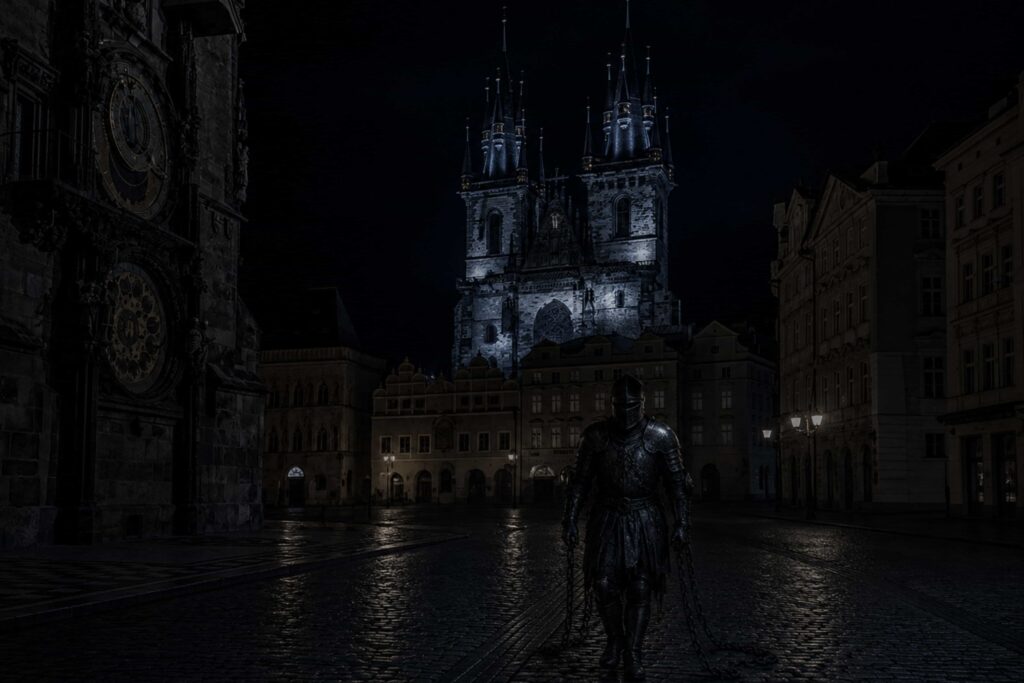
Jan Mydlář. The name every Prague schoolkid learns.
In 1621 he was the one who executed the 27 Bohemian lords on Old Town Square. One swing, 27 heads. After that day, Prague never forgot him.
When Mydlář died, people said his spirit couldn’t rest. The guilt was too heavy. Now he walks the Old Town as the “Iron Knight“, full suit of armor, visor down, with heavy chains dragging behind him on the cobblestones.
He’s not out for revenge. Locals say he’s looking for forgiveness for what he did that morning in 1621.
When is he most active: June 21st, the anniversary. That night ghost tours come out, and yes, they hire an actor in armor to jump out. But real reports happen other nights too.
Hear him: Walk the small streets behind the Old Town Hall after 11pm. When it’s quiet you can hear it, metal scraping on stone. Clank… drag… clank. Then nothing.
Some say if you see him and bow your head, he’ll pass without a word. Others say don’t look him in the eye.
Either way, the Iron Knight is a haunting echo of the dark stories in Prague, about duty, war, and a man who paid for one day for the rest of eternity.
15. Wallenstein Palace: One of the Dark Stories in Prague About a General Murdered By His Own Emperor
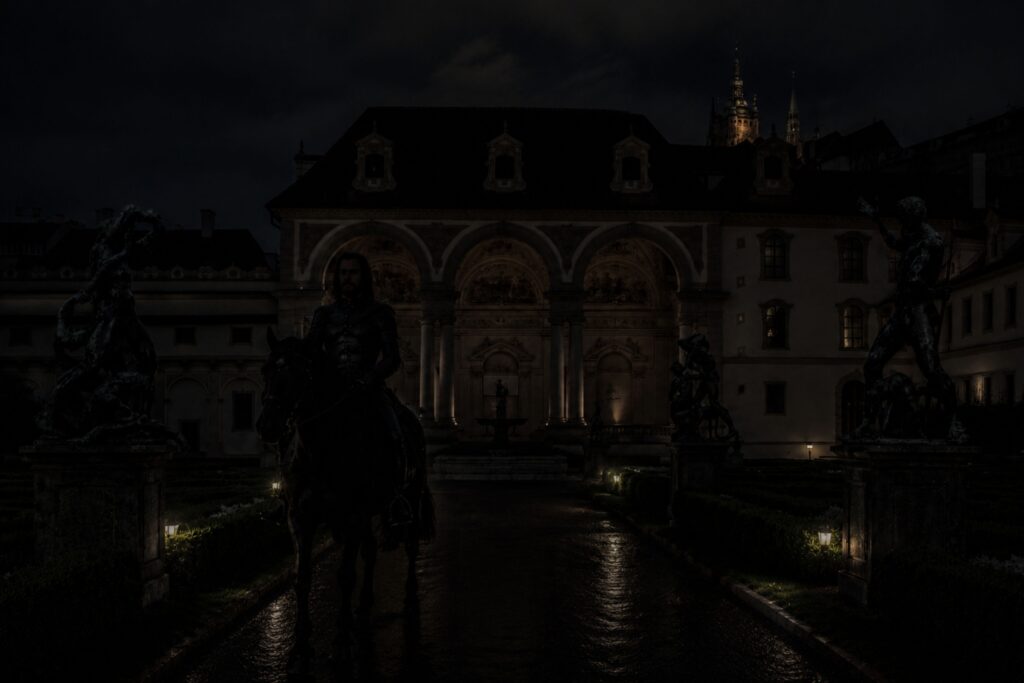
Wallenstein Palace. Baroque, huge, and weirdly empty most of the time for how beautiful it is.
General Albrecht von Wallenstein was too powerful. During the Thirty Years’ War he basically ran his own army, his own money, his own rules. The Emperor got scared. In 1634 he had Wallenstein assassinated in Cheb. Betrayed by his own side.
People say he never left.
His ghost walks the gardens at night. Gardeners come in the morning and find tools moved. Benches shifted. And cold spots that hit you even in July. Underground, beneath the palace, are secret rooms. Alchemy labs. Wallenstein was obsessed, trying to turn metal into gold, trying to read the stars to win the war.
Go: It’s free to enter. The Sala Terrena at dusk feels wrong. Too quiet. Too grand. Staff swear they hear footsteps on the marble when the palace is locked and no one is there.
It’s not advertised on the tourist maps. Which is exactly why it fits the dark stories in Prague hidden in plain sight, power, paranoia, and a general who’s still pacing 400 years later.
➤ If Wallenstein’s eerie gardens caught your attention, they’re also among the most beautiful green spaces in the city. You can discover more peaceful escapes in our guide to the best Prague parks. And if you’re interested in the history behind grand residences like this one, explore our roundup of the best palaces in Prague.
16. Dalibor’s Tower: One of the Dark Stories in Prague About a Prisoner and His Violin
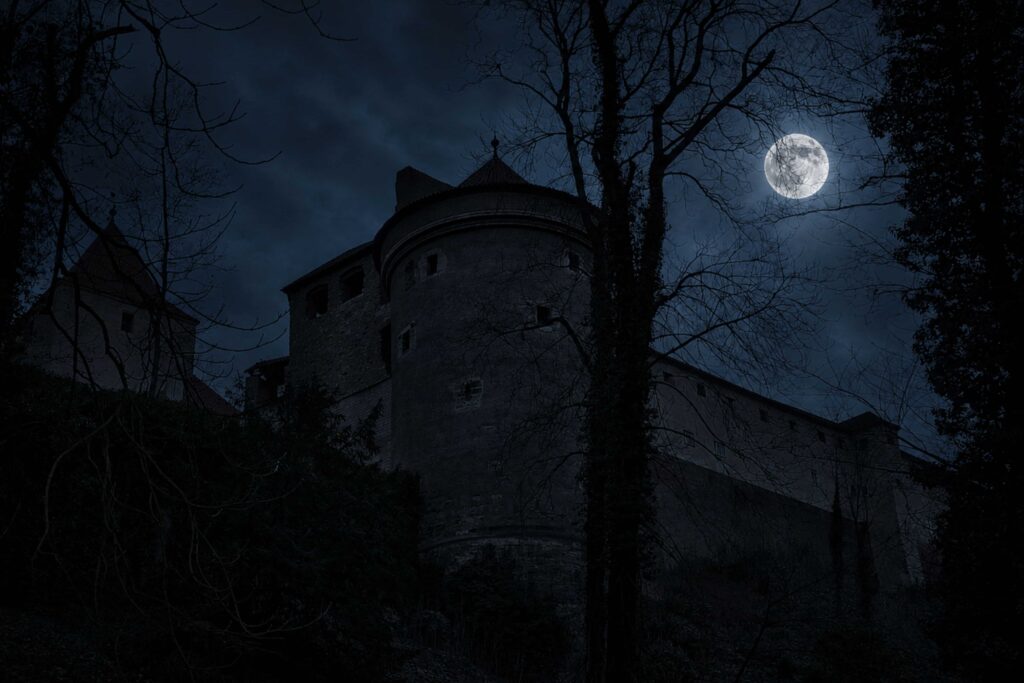
Prague Castle. Dalibor Tower. Cold stone, small windows, and 500 years of echoes.
1498: Dalibor of Kozojedy was a knight who stood up for peasants against their lord. For that, he was thrown in this tower. The sentence was death.
But the jailers gave him one thing: a violin.
And Dalibor played. Every night. So beautifully that people gathered outside the castle walls just to listen. Merchants, students, even the guards. They say grown men cried hearing it through the stone.
When he was finally executed, the music stopped. But the legend didn’t.
Today: The tower is part of a museum. During the day it’s just armor and old chains. At night, when the castle is closed, night guards swear they still hear it. Faint violin music drifting from the empty cells. No one playing. No source.
Some say it’s the wind. Some say it’s Dalibor.
Either way, it’s the last of our dark stories in Prague, about injustice, art, and a song that refuses to die.
➤ Dalibor’s Tower is just one of many. Prague has 100+ towers and each one has its own story. For opening times, views, and more dark history, read this full guide to the best Prague towers.
The Full Walking Route for Dark Stories in Prague
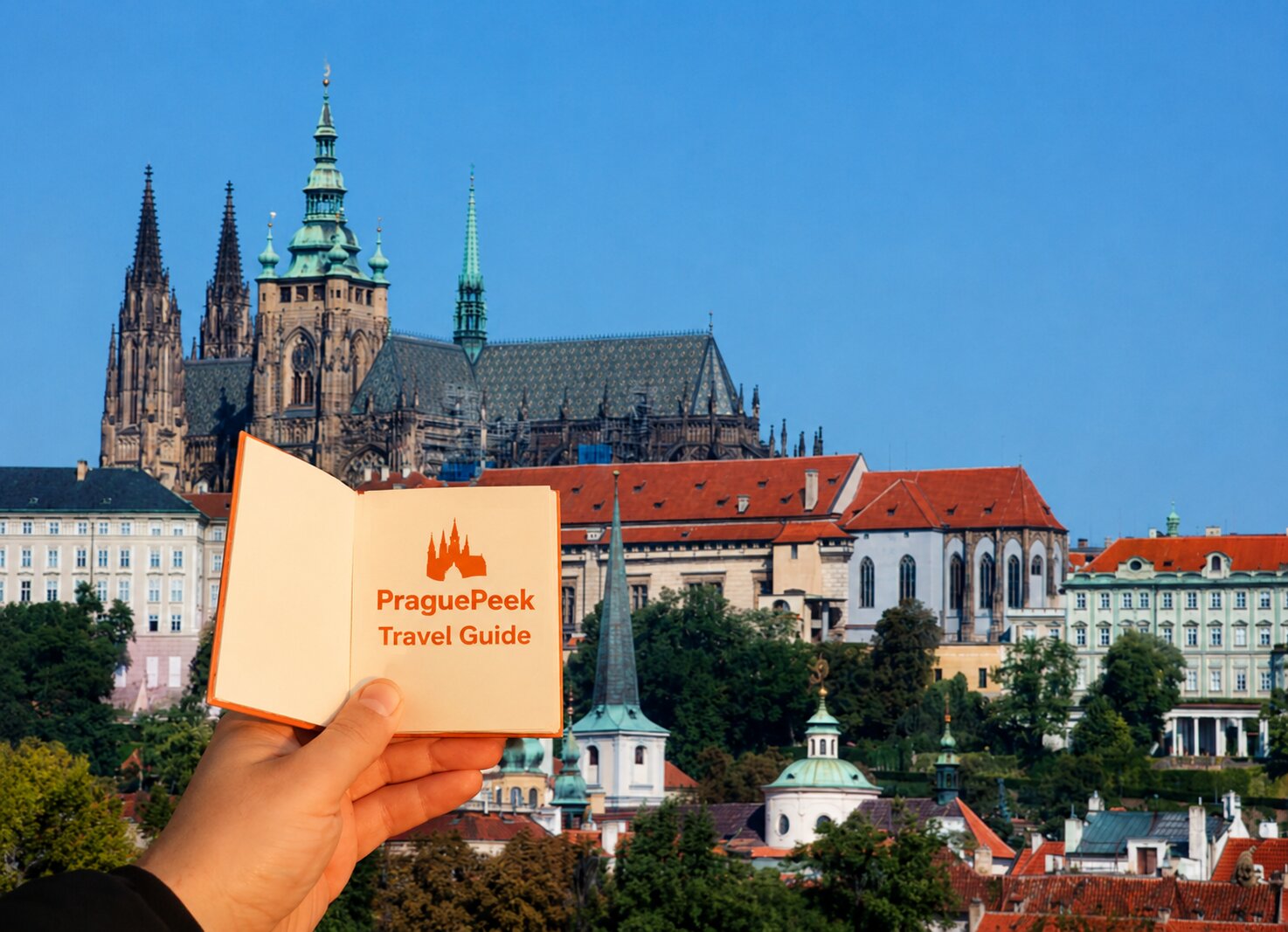
Start: 3pm at Prague Castle
Dalibor Tower: hear the prisoner’s violin
Next, Wallenstein Palace: gardens + alchemy labs of the general
Then head down Nerudova Street: down to Malá Strana, cursed house signs
After that, Charles Bridge: Headless Templar near statue #8
Cross over at Křižovnické Square: cross to Old Town
In Old Town Square: Iron Knight + execution stories
Finally, St. James Church: the arm in the glass case
End, 8pm in Josefov: Jewish Quarter + Golem legends
➤ You can easily do this whole route on foot, but if you want to save time or cut out a few hills, Prague’s public transport is great. I’ve put together guides for the Prague Metro, Prague Trams, and Prague Buses so you can jump between Castle, Malá Strana, and Josefov without getting lost.
Final Thought
Prague doesn’t just show you history. It lets you feel it.
By 8pm you’ve walked 4.5km, but you’ve also walked through 600 years. You’ve heard violins from empty towers, footsteps in free palaces, and chains on cobblestones that haven’t been used in centuries.
The castles are beautiful by day. But at dusk, Prague tells you the other stories. The ones about power, regret, deals made in the dark, and music that refuses to be silenced.
You don’t need to believe in ghosts to feel them here. You just need to walk slowly, look up, and listen.
Because the dark stories in Prague aren’t about fear.
They’re about remembering the people who lived, fought, played, and bargained in these same streets long before us.