
Prague travel tips are essential for anyone planning to visit one of Europe’s most beautiful and historic cities. Without knowing a few key details in advance, many travelers make simple mistakes, from using the wrong currency to overpaying in tourist areas. These 10 essential things to know before visiting Prague in 2026 will help you avoid common pitfalls and enjoy the city with confidence.
Located in the heart of Central Europe along the Vltava River, Prague is famous for its stunning architecture, medieval streets, and vibrant cultural life. Millions of visitors come each year to explore its historic districts, iconic landmarks, and unique atmosphere.
Before arriving in 2026, understanding how things work locally, from transportation and currency to language and customs, can make your experience smoother and far more enjoyable. These 10 Prague travel tips will help you navigate the city with ease from the moment you arrive.
Quick Summary: Prague at a Glance 2026
| Topic | Key Info for Tourists |
|---|---|
| Transport | Metro, Tram, Bus. Validate tickets or 1500 CZK fine |
| Currency | Czech Koruna CZK. Cards accepted. Avoid EUR payments |
| Language | Czech. English widely spoken in tourist areas |
| Time Zone | CET UTC+1. CEST UTC+2 in summer Mar-Oct |
| Plugs | 230V, Type C + E. EU plugs work |
| Emergency | 112 for all emergencies. 150 Fire, 155 Ambulance, 158 Police |
| Water | Tap water is safe to drink |
| Tipping | 5-10% in restaurants. Round up |
| Local Etiquette | Stand right on escalators. Keep voice low. Be respectful in churches |
| Safety | Very safe. Watch for pickpockets in Old Town |
Why Prague Is One of Europe’s Most Popular Destinations
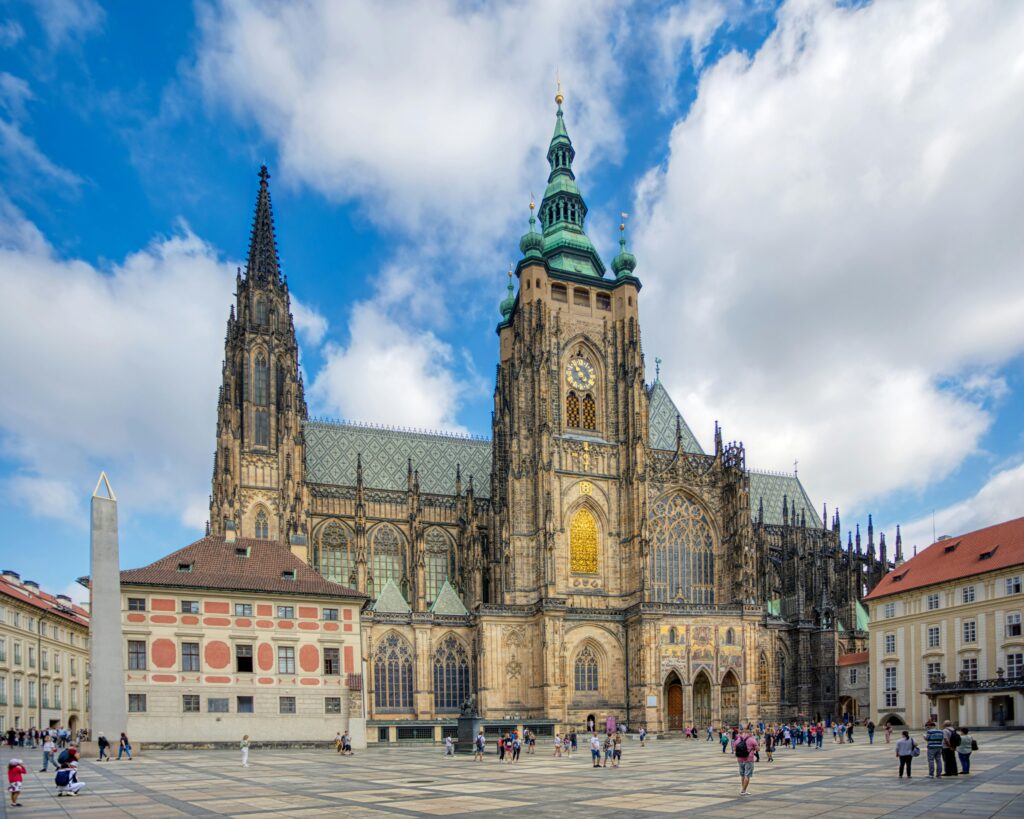
Prague is the capital of the Czech Republic and one of the most visited cities in Central Europe. The city sits along the Vltava River and is famous for its well-preserved historic center filled with Gothic churches, medieval squares, and elegant baroque buildings.
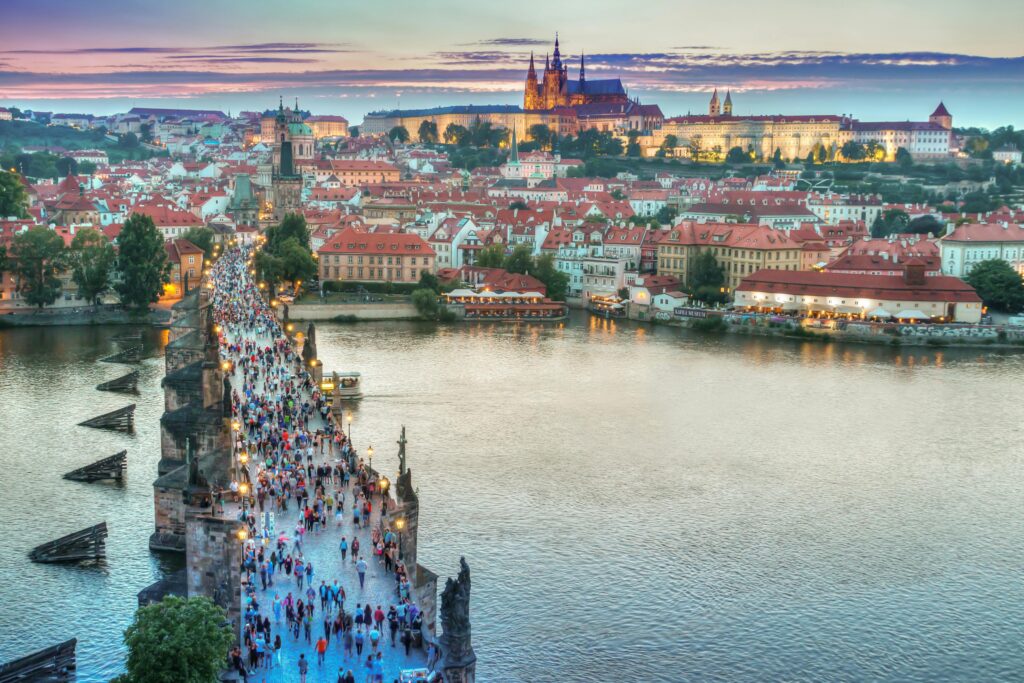
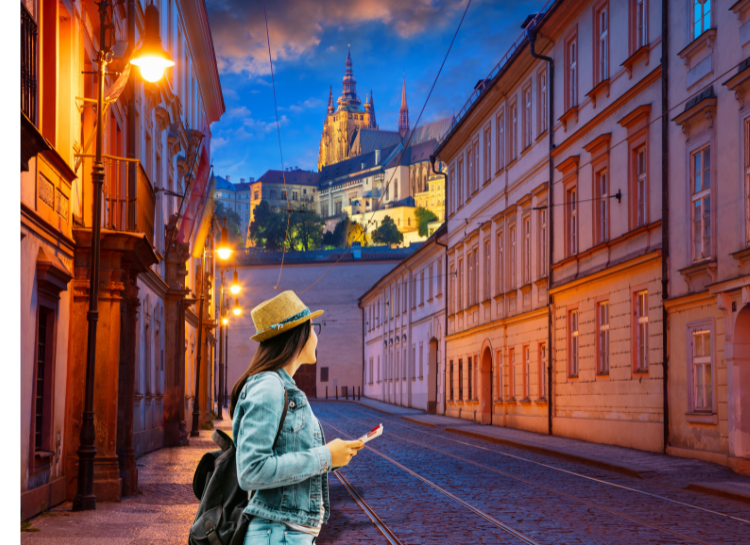
The historic districts of Prague are compact and easy to explore on foot, which makes the city ideal for travelers. Many of the main attractions are located within walking distance of each other, including Prague Castle, Old Town Square, and Charles Bridge.
Because of this unique layout, many visitors find Prague both fascinating and easy to navigate, even during a short stay. But easy to navigate doesn’t mean easy to avoid tourist traps.
1- Prague Travel Tips for Getting Around: Public Transport, Metro & Trams
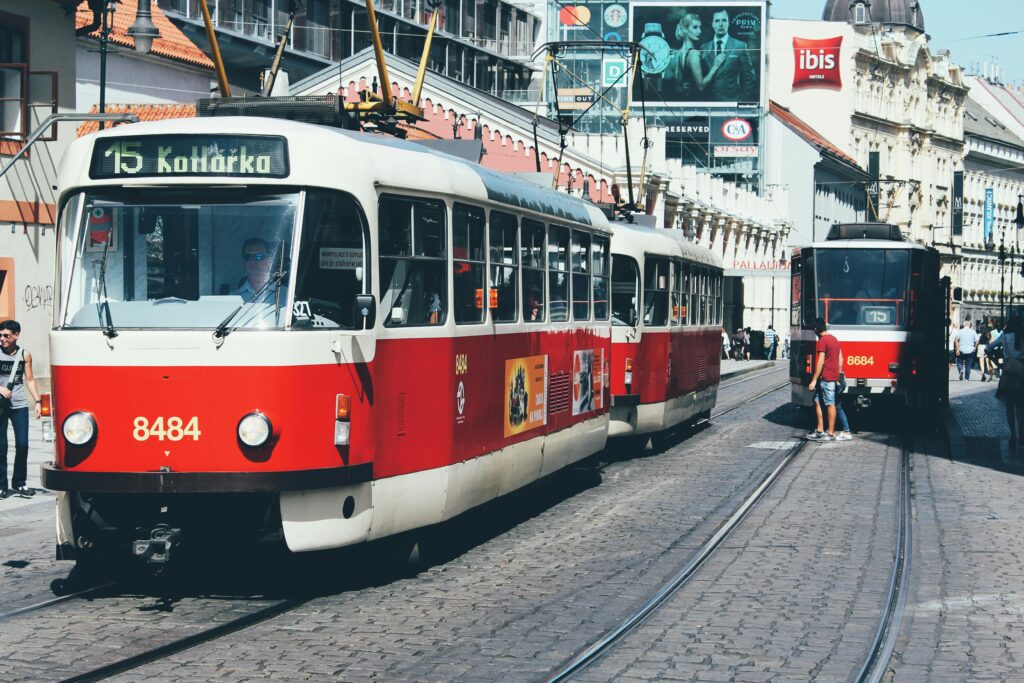
One of the most important Prague travel tips is understanding how to get around. Prague has one of the best public transport systems in Europe with metro lines, trams, and buses that are reliable and easy to use.
Most major attractions are within walking distance in the city center, but public transport is extremely useful for longer distances. Tickets must be validated before use, and failing to do so can result in 1500 CZK fines on the spot.
Iconic Prague tram running through the city center, a popular way to get around Prague.
Prague travel tip: Get a 24h or 72h pass for 120-330 CZK instead of single tickets.
➤ If you want to understand how the metro works, including its lines and stations, read my guide on how to use Prague metro.
2- Prague Travel Tips for Currency and Money: CZK, Cards & ATMs
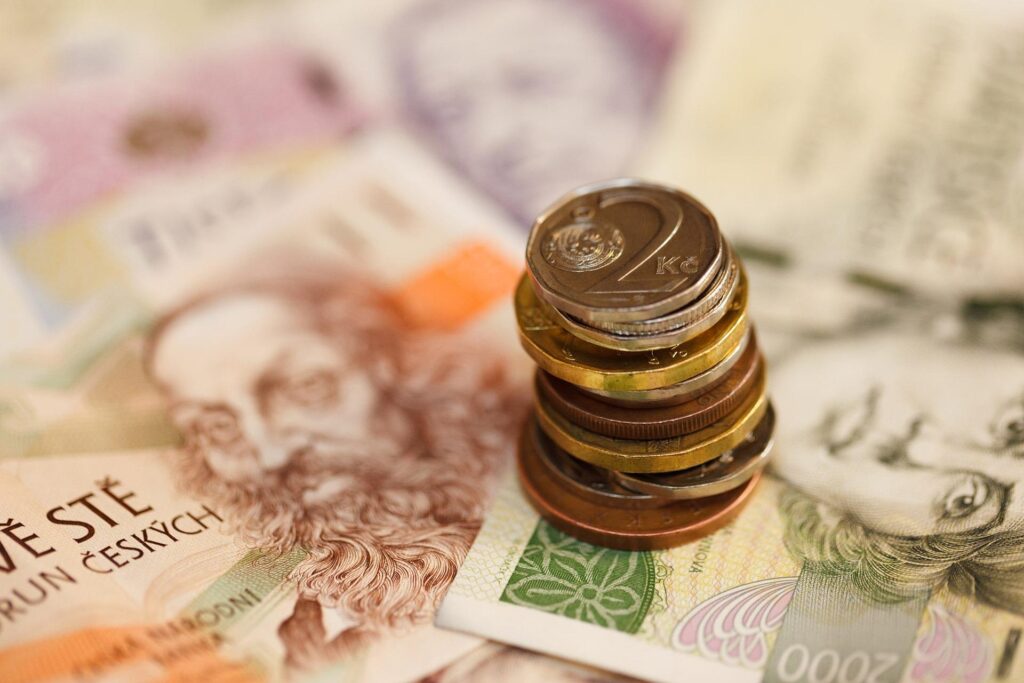
One of the most important Prague travel tips is understanding the local currency. The official currency is the Czech Koruna (CZK), and while some places accept euros, it is always better to pay in local currency to avoid poor exchange rates, the rates are terrible – you’ll lose 20%.
Czech Koruna coins stacked on banknotes, local currency used for payments in Prague, Czech Republic
Most restaurants, hotels, and shops accept credit cards, and contactless payments are widely used across the city. ATMs are also easy to find, especially in central districts.
The trap: Exchange offices with “0% commission” in Old Town.
Do this instead: Withdraw from ČSOB, Komerční banka, or Air Bank ATMs. Always choose “Charge in CZK”, search for a good exchange currency shops that offer rates close to the daily exchange rates online.
However, carrying some cash can still be helpful for small cafés, markets, or local shops.
➤ For a more detailed understanding of daily expenses, typical prices, and how to plan your spending efficiently, you can explore our complete guide on Money & Budget in Prague, where we break down everything from accommodation and food costs to transportation and attractions.
3- Prague Travel Tips for Language Spoken in Prague: What Travelers Should Know

Another important thing to know before visiting Prague is the language.
The official language of the Czech Republic is Czech. However, English is widely spoken in Prague, especially in hotels, restaurants, and tourist areas.
Travelers communicating in Prague where English is widely spoken alongside the Czech language.
Many people working in tourism speak English fluently, so communication is rarely a problem for visitors.
Prague travel tip: Learning a few simple Czech words can still be appreciated by locals. Basic phrases like “Děkuji” (thank you) and “Prosím” (please) are easy to learn and often bring friendly reactions.
➤ If you want to learn more Czech words, you can find some useful words & sentences in my guide Czech Phrases for Travelers in Prague
4- Prague Travel Tips for Time Zone in Prague
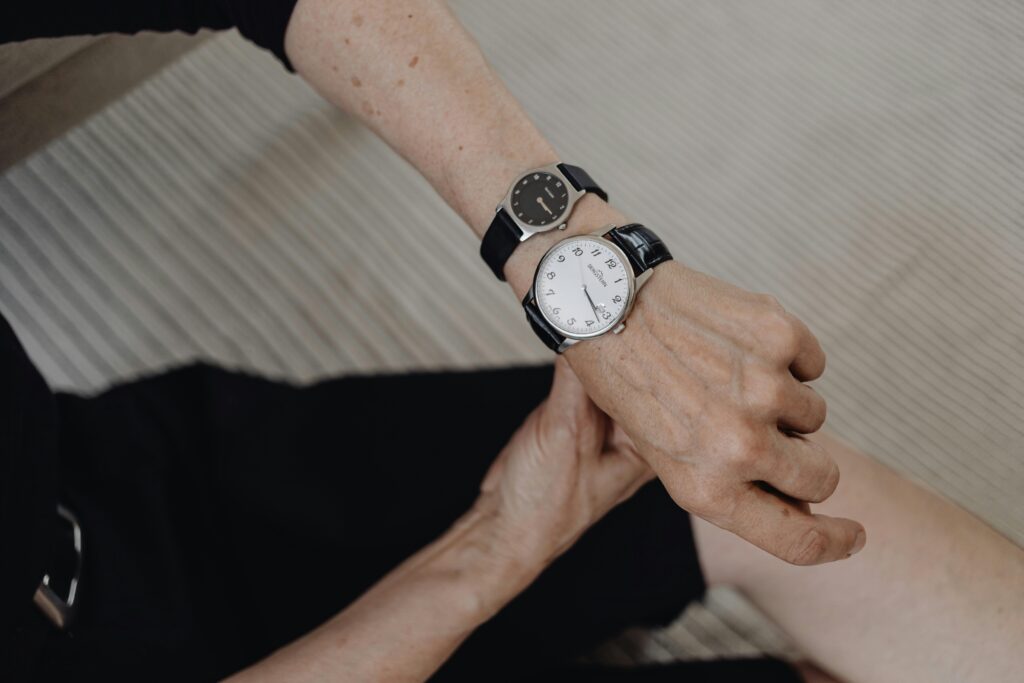
Among the basic things to know before visiting Prague is the local time zone.
Prague operates on Central European Time (CET), which is UTC +1.
Prague Travel Tip: wristwatch showing local time in Prague, Czech Republic time zone
During the summer months, the city switches to Central European Summer Time (CEST), which is UTC +2.
Travelers coming from other continents may need a day or two to adjust to the time difference.
5- Prague Travel Tips for Electrical Plugs and Power Outlets
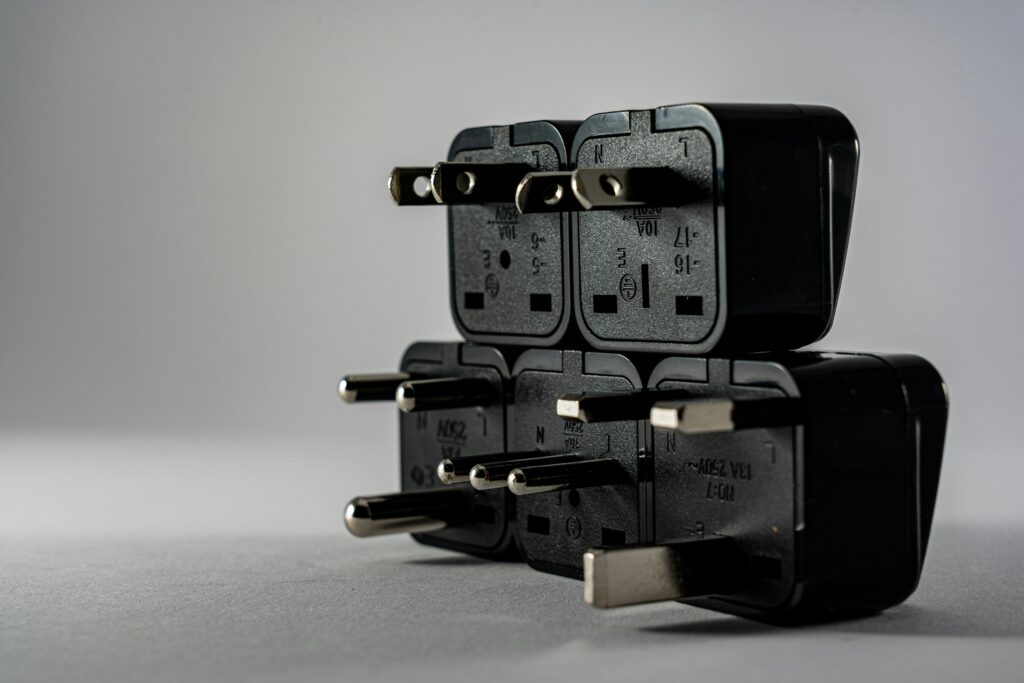
Before traveling, it is useful to check the electrical system used in Prague.
The Czech Republic uses:
- Voltage: 230V
- Frequency: 50 Hz
- Plug types: Type C and Type E
Most European plugs will work without an adapter, but travelers from countries like the United States or the United Kingdom will usually need a travel adapter.
Fortunately, adapters are easy to find at airports and electronics stores if needed.
Prague travel tip: Buy adapters before you arrive. Airport ones cost 3x more.
You can double-check plug types and voltage on this official website.
6- Prague Travel Tips for Emergency Numbers in Prague
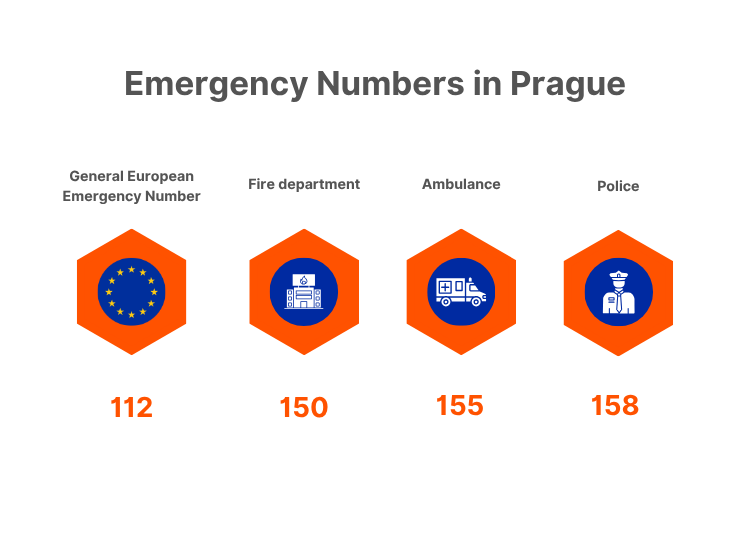
Another practical thing to know before visiting Prague is how to contact emergency services if needed.
Emergency numbers in Prague showing 112 for general European emergency, 150 for fire department, 155 for ambulance, and 158 for police services in the Czech Republic
The main emergency numbers in the Czech Republic are:
- 112 – General European emergency number
- 150 – Fire department
- 155 – Ambulance
- 158 – Police
The number 112 works across the European Union and is the easiest number to remember for travelers.
7- Prague Travel Tips for Drinking Water in Prague
A common question travelers ask is whether tap water in Prague is safe to drink.
The answer is yes. Prague’s tap water meets strict European safety standards and is perfectly safe to drink.
Drinking tap water in Prague Czech Republic clean and safe for visitors
Many locals drink tap water regularly, and restaurants often provide it upon request.
Prague travel tip: Carry a reusable water bottle. Bottled water in Old Town = 60 CZK. Tap = free.
8- Prague Travel Tips for Tipping

Understanding local tipping customs is another useful Prague travel tip.
Tipping is appreciated in Prague but not mandatory.
In restaurants and cafés, a typical tip is around 5–10 percent of the bill. Many locals simply round the bill up when paying. Don’t tip 20% like in the US. 10% max.
For example, if the total bill is 285 CZK, leaving 300 CZK would be considered a polite tip.
Tipping in Prague restaurant with cash tip jar showing local tipping customs.
Taxi drivers and tour guides are sometimes tipped as well, although the amounts are usually modest.
9- Prague Travel Tips for Basic Local Etiquette
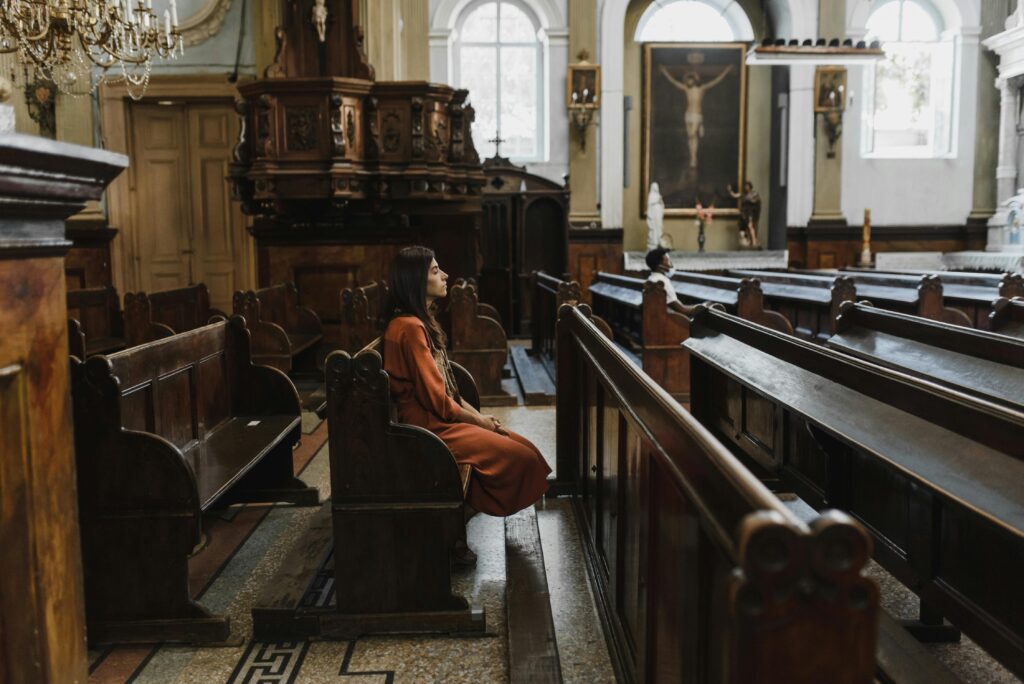
When visiting Prague, respecting local customs and etiquette can help you enjoy a smoother experience.
Czech culture tends to be slightly more reserved compared to some other countries. People may appear quiet at first, but they are generally friendly and helpful.
A few simple etiquette tips include:
- Stand right, walk left on metro escalators
- Speaking quietly in residential areas at night (Keep your voice low)
- Always validating public transport tickets before boarding
- Be respectful in churches and historic sites. This means no photos during mass, cover shoulders, and speak quietly. Prague has some of the most beautiful churches in Europe, see my (Prague Cathedrals guide).
Following these small rules helps visitors blend in and avoid confusion while traveling.
10- Safety and Travel Comfort
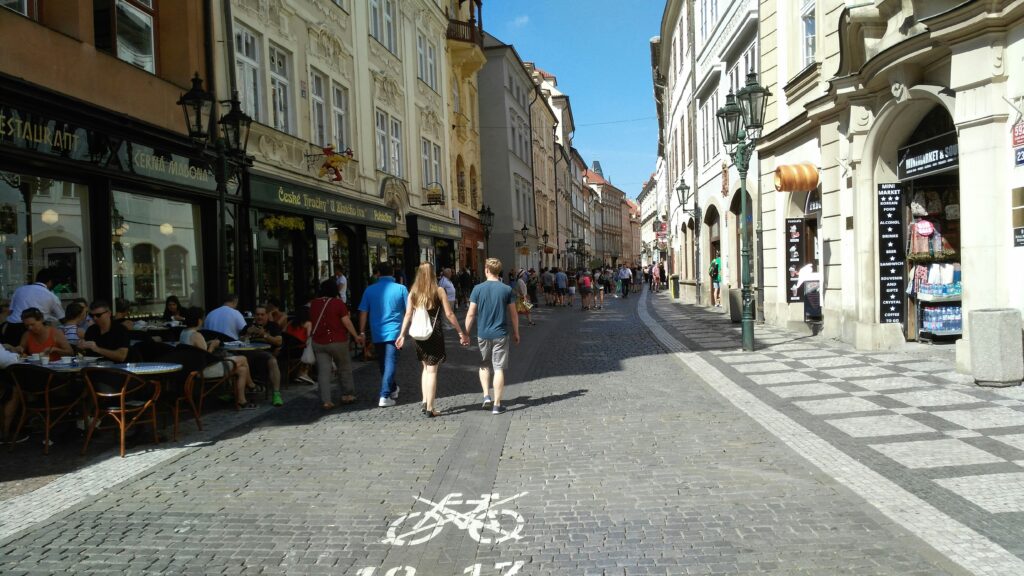
One of the reassuring things to know before visiting Prague is that the city is considered one of the safest capitals in Europe.
The city has a relaxed atmosphere and a well-organized infrastructure that makes it comfortable for visitors from around the world.
Public transportation is reliable, streets are generally safe, and Prague remains a welcoming destination for travelers of all ages.
How Many Days Should You Spend in Prague?
Many travelers planning their trip wonder how long they should stay in the city.
For most visitors, two to three days in Prague is enough to see the main landmarks and historic districts.
During this time, travelers can explore:
- Old Town Square
- Prague Castle
- Charles Bridge
- Lesser Town
- The Jewish Quarter
Visitors with more time can also explore museums, parks, and neighborhoods outside the historic center.
➤ If you’re planning your itinerary, it’s also helpful to understand how your stay length affects your overall budget, so you can check our detailed guide on Trip Prague Cost: Complete Prices & Budget Guide 2026 to estimate daily expenses, accommodation costs, and how much to budget for two to three days in Prague.
Things to Avoid in Prague in 2026
| Mistake | Why to Avoid It | Do This Instead |
|---|---|---|
| Paying in EUR | Exchange rate is ∼20% worse than CZK | Always pay in Czech Koruna |
| Not validating tram/metro tickets | 1500 CZK fine on the spot | Buy 24h pass and stamp it before boarding |
| Using Old Town exchange offices | “0% commission” but awful rates | Use bank ATMs and choose “Charge in CZK” |
| Taking taxis from the airport | 1200-1500 CZK vs 40 CZK by bus+metro | Take Bus 119 + Metro Line A |
| Eating on Old Town Square | Tourist prices 2x higher | Walk 5 min to Vinohrady or Karlín for local prices |
| Tipping 20% | Not local custom | Tip 5-10% or just round up the bill |
FAQ: Prague Travel Tips 2026
Yes, 100%. Prague tap water meets strict EU standards and is safe to drink. Save money by carrying a reusable bottle instead of buying bottled water.
Some tourist shops accept euros, but the exchange rate is ∼20% worse. Always pay in Czech Koruna CZK with a card or from a bank ATM for the best rate.
Buy your ticket and validate it before boarding. Ticket inspectors issue 1500 CZK fines immediately and don’t accept “I didn’t know” as an excuse.
2-3 days is enough to see Prague Castle, Old Town, and Charles Bridge. Add 1-2 more days if you want to explore local neighborhoods and day trips.
Prague uses 230V with Type C and Type E plugs. Most of Europe works without an adapter, but travelers from the US and UK will need one.
Yes, Prague is one of the safest capitals in Europe. The main risk is pickpockets in Old Town Square, Charles Bridge, and crowded trams, use a zipped bag.
Final Thoughts on Prague Travel Tips
Understanding these 10 Prague travel tips for 2026 can make your trip far smoother and more enjoyable. From transportation and currency to local customs and practical details, a little preparation goes a long way.
The difference between a tourist and a smart traveler in Prague is knowing what to avoid. Skip the overpriced traps, take the tram instead of the taxi, and say yes to a side street you didn’t plan.
With its walkable historic center, efficient public transport system, and welcoming atmosphere, Prague continues to be one of Europe’s most rewarding cities to explore.
 City: Prague, Czech Republic
 Country: Czech Republic
 Population: About 1.3 million
 Area: 496 km²
 Currency: Czech Koruna (CZK)
 Language: Czech
 Time Zone: CET (UTC+1)
 Best Time to Visit:
 Public Transport:
 City Center
 Payment: