Prague Historical Figures reveal a story of royal ambition, religious conflict, military resistance, foreign occupation, and the struggle for democracy. Over the centuries, Prague became a seat of kings and emperors, a battleground during religious wars, and a centre of political change in Central Europe.
Some leaders transformed the city’s institutions, while others became associated with repression, warfare, or resistance. Although men held most political power during these periods, their decisions affected entire communities, including people whose experiences rarely appeared in official records.
Today, Prague’s castles, chapels, squares, and memorials preserve traces of these events. From medieval kings to the peaceful revolution of 1989, Prague Historical Figures help explain how the city’s political past shaped the Czech capital we know today.

1. Charles IV: The Prague Historical Figure Who Transformed the City
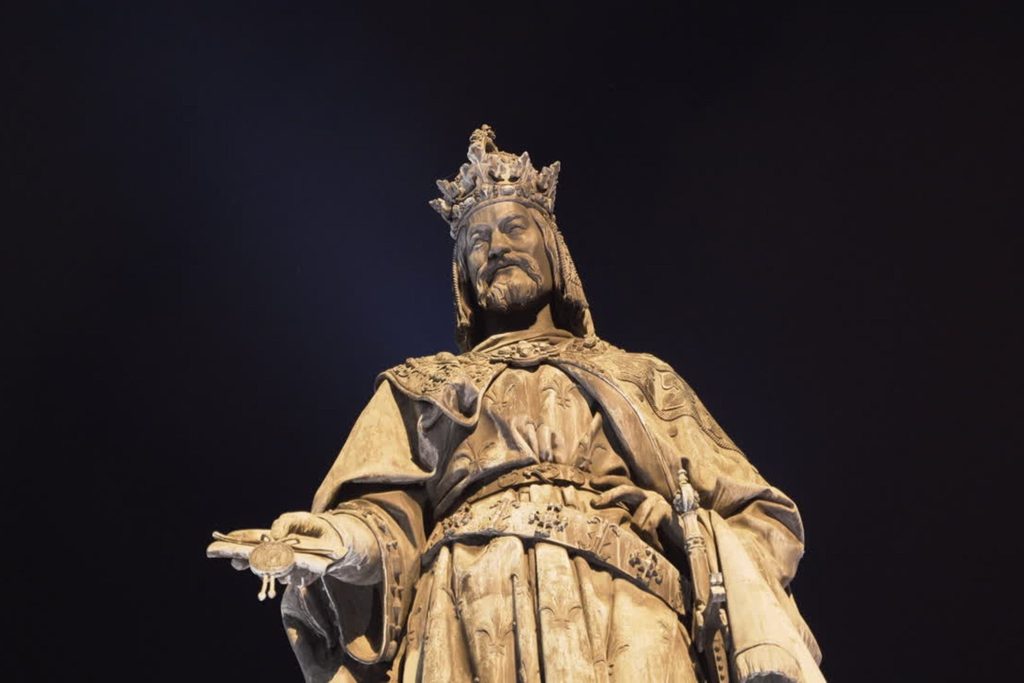
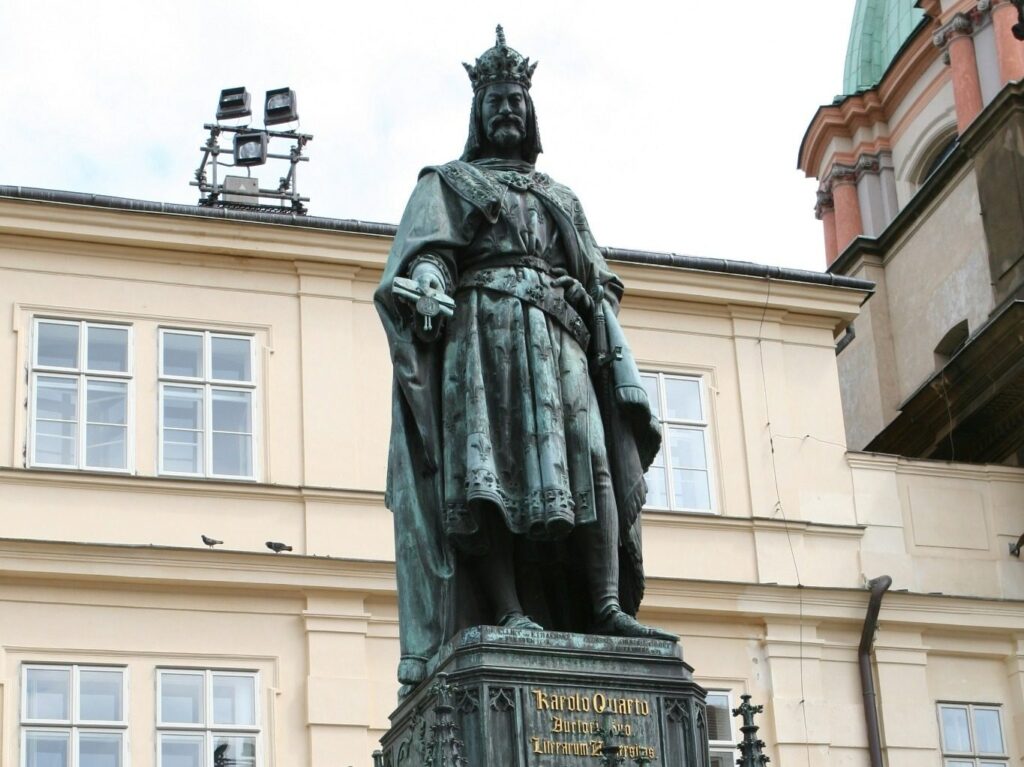
Charles IV (1316–1378) stands among the most influential rulers in Bohemian history. As King of Bohemia and later Holy Roman Emperor, he made Prague an important political center and launched an ambitious programme of urban development.
In 1348, Charles founded Charles University, which remains one of Central Europe’s oldest universities. He also established Prague’s New Town and supported major construction projects, including the Gothic St Vitus Cathedral at Prague Castle.
Meanwhile, builders constructed Charles Bridge during his reign to replace an earlier bridge damaged by flooding. These projects strengthened Prague’s position as a centre of government, education, religion, and commerce.
His ambitious building programme left a lasting mark on Prague, and many of the city’s historic buildings still reflect his legacy. Explore more examples in our guide to Prague’s historic buildings.
Where to explore his legacy: Visit Prague Castle, St Vitus Cathedral, Charles Bridge, and Charles University. Together, these landmarks reveal the scale of Charles’s ambitions.
2. Jan Hus: The Reformer Who Challenged Church Authority
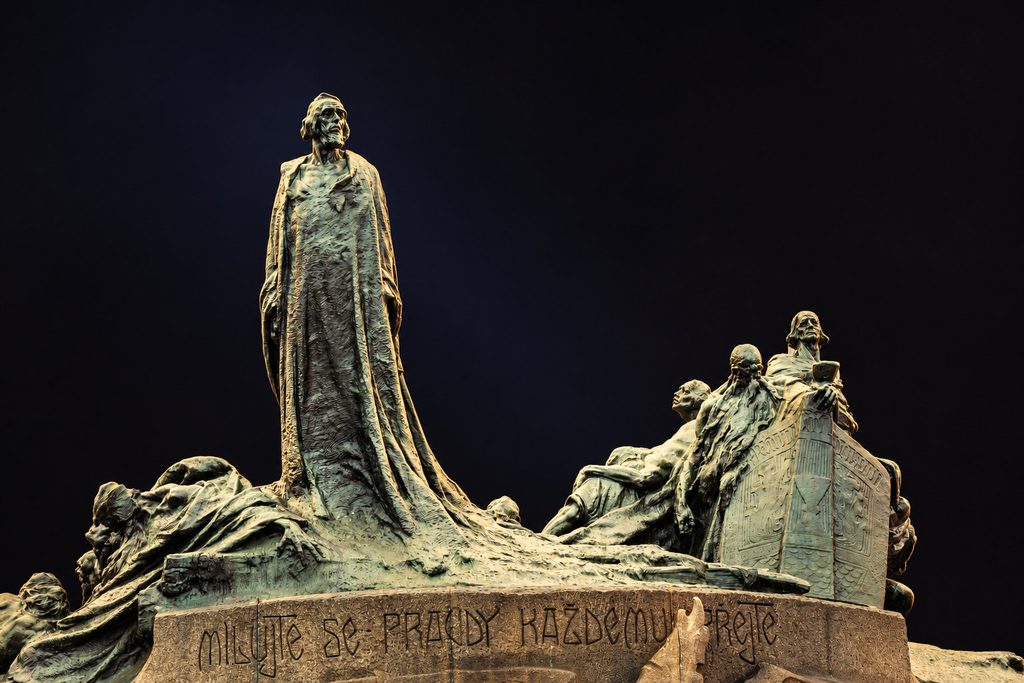
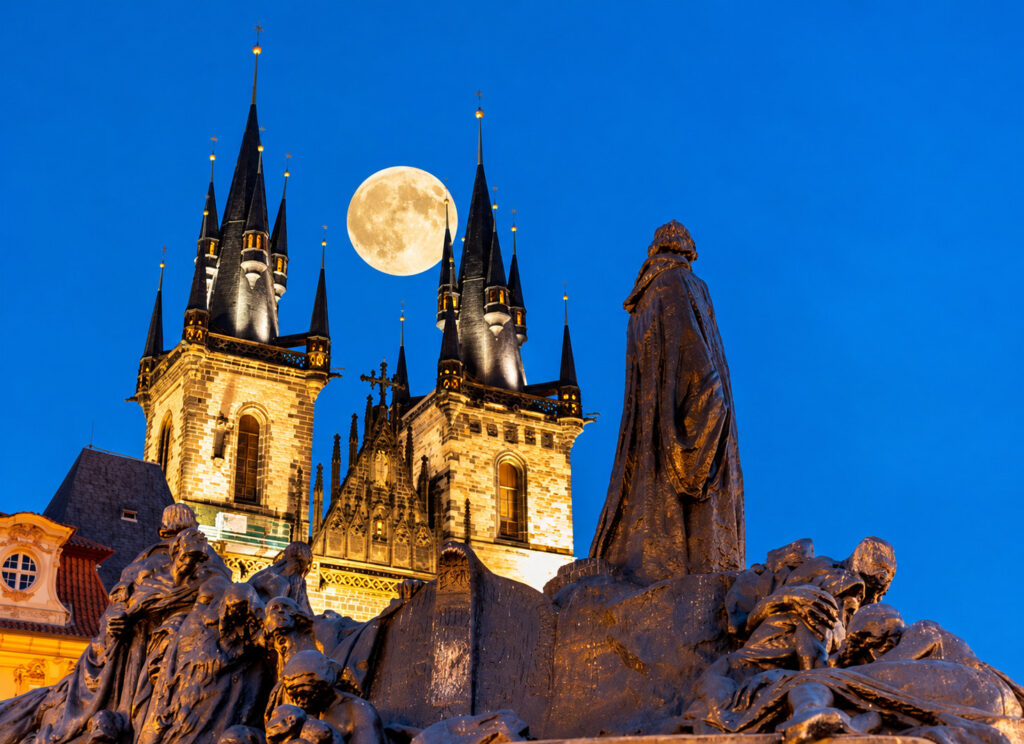
Jan Hus (c. 1370–1415) challenged corruption within the medieval Church and called for greater accountability among religious leaders. As a preacher in Prague, he used the Czech language to communicate his ideas, attracting supporters while provoking opposition from powerful authorities.
Hus remains one of the most debated Prague historical figures, because his religious ideas quickly became political. To understand the religious background of his teachings and their lasting influence, explore our detailed guide to Prague’s religious history, covering Jan Hus, the Hussite movement and the religious conflicts that transformed Bohemia.
In 1415, the Council of Constance condemned Hus for heresy and burned him at the stake. His execution intensified existing religious and political tensions in Bohemia. Moreover, his followers continued to promote his ideas, helping inspire the movement associated with the Hussite Wars.
These wars reshaped Bohemian society during the fifteenth century. Although Hus never commanded an army, his criticism of Church authority became politically significant because religion and government were closely connected.
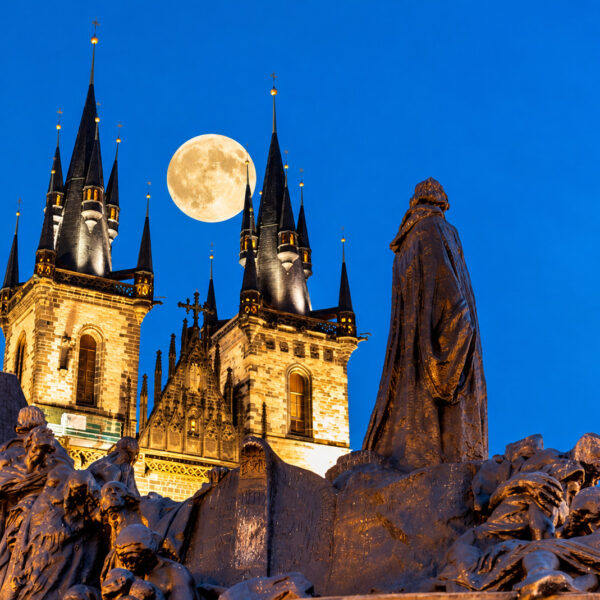
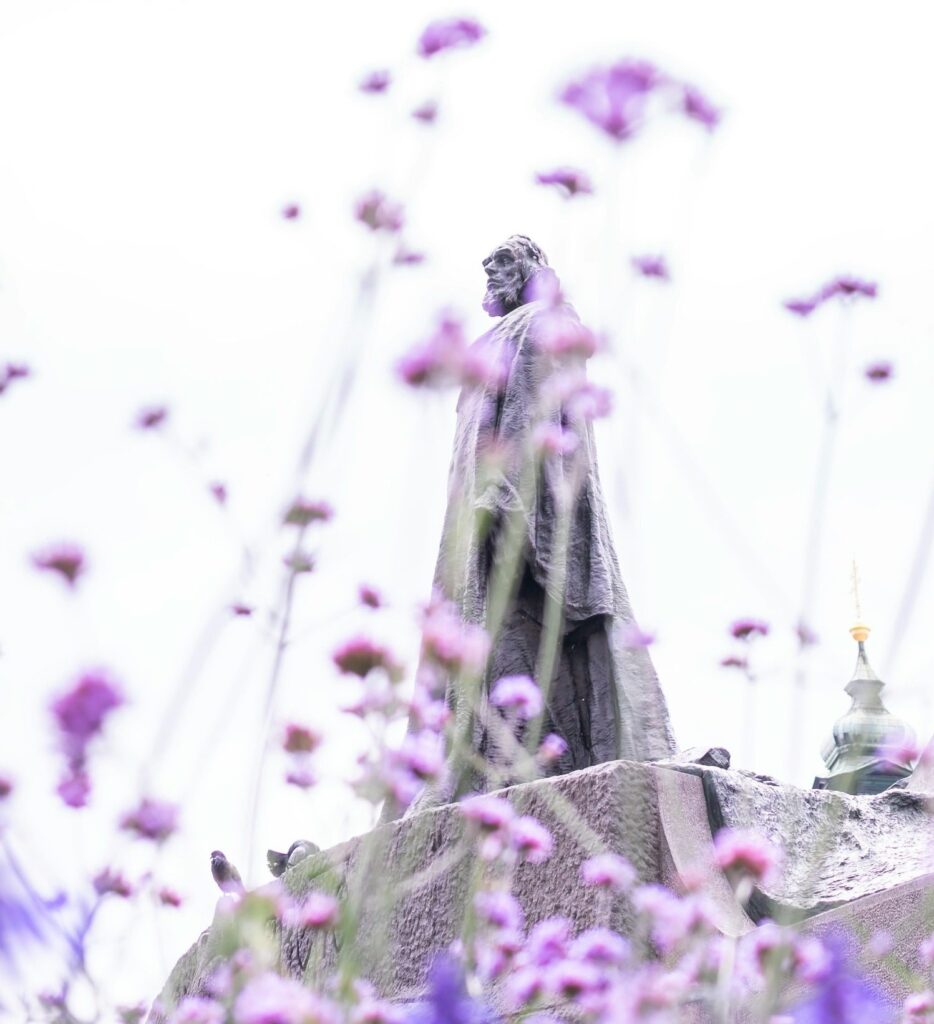
Today, visitors can see his memorial in Old Town Square, one of Prague’s most historically significant public spaces.
Where to explore his legacy: Visit Bethlehem Chapel, where Hus preached between 1402 and 1413. The chapel helps visitors understand the religious debates that preceded the Hussite conflicts.
3. Wenceslas IV: The King During a Period of Growing Tension
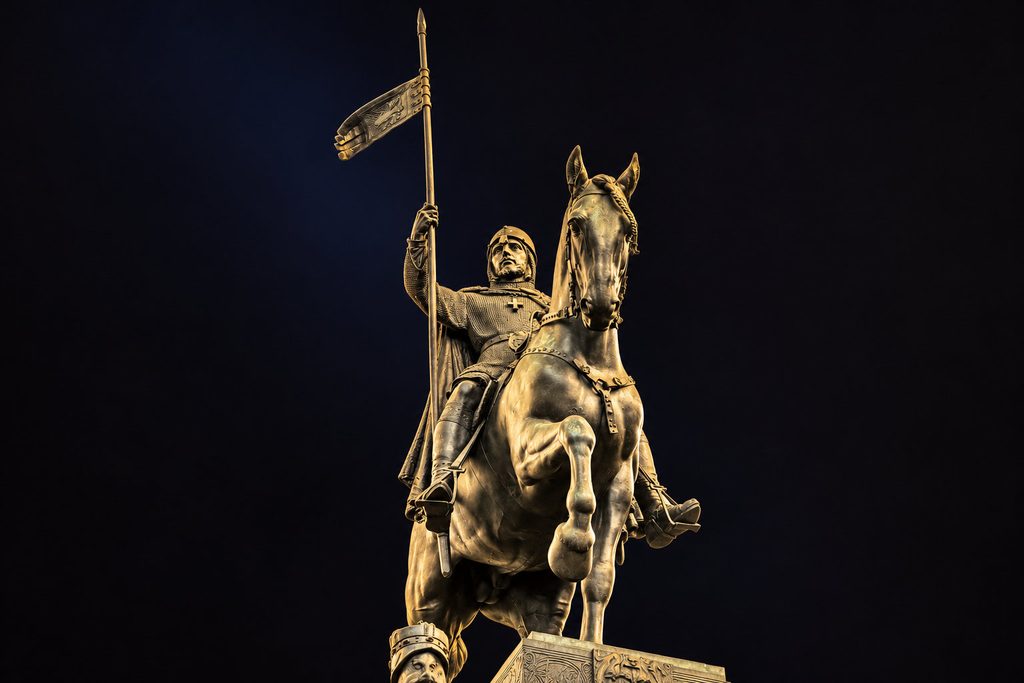
Wenceslas IV (1361–1419), the son of Charles IV, ruled Bohemia during a period of growing political and religious instability. Despite Prague’s earlier prosperity, disputes among nobles, religious groups, and royal authorities increasingly challenged the kingdom.
Wenceslas lost his position as King of the Romans in 1400, although he remained King of Bohemia. During his reign, Jan Hus gained influence, and disagreements over Church authority became more serious. Consequently, Prague became a focal point for tensions that extended throughout the kingdom.
Wenceslas IV is often overlooked among Prague historical figures, but his reign created the crisis that led to the Hussite Wars.
In July 1419, Hussite supporters threw several members of the city council from the windows of Prague’s New Town Hall. Historians call this event the First Defenestration of Prague. It marked a turning point in the growing crisis.
Wenceslas died shortly afterward, and the dispute over his succession helped push Bohemia toward war.
Where to explore his legacy: Visit the New Town Hall to learn about the events of 1419. You can also explore the Old Royal Palace at Prague Castle to discover more about medieval royal government.
4. Jan Žižka: A Military Leader Among Prague Historical Figures
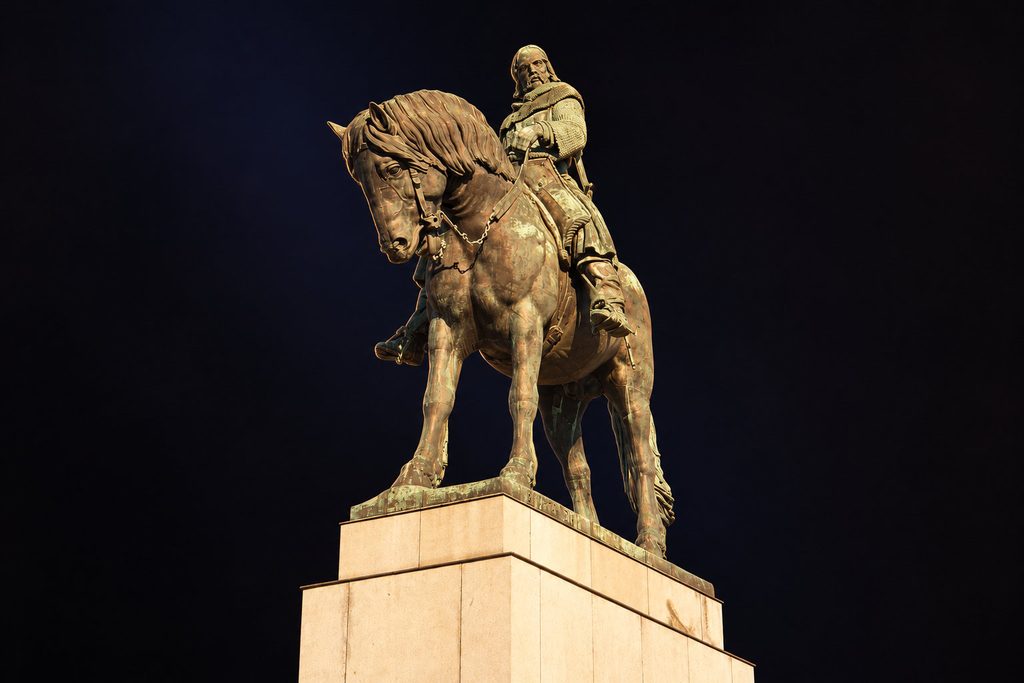
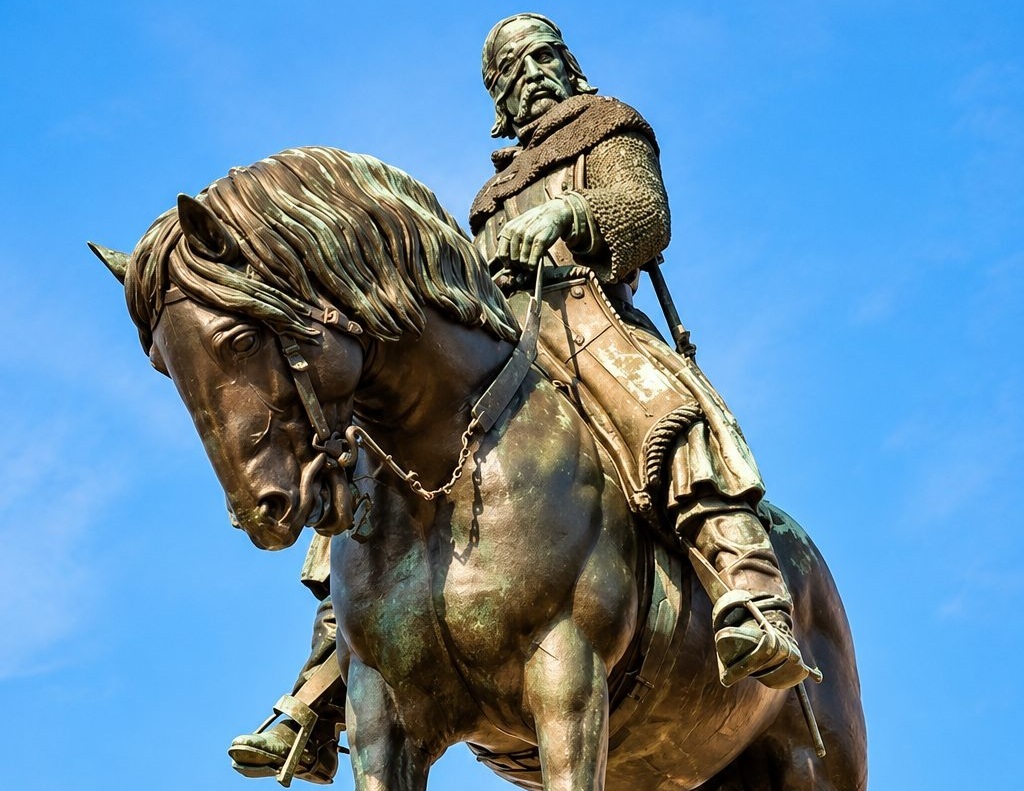
Jan Žižka (c. 1360–1424) became one of the most notable commanders of the Hussite Wars. Following Jan Hus’s execution, Hussite forces faced armies determined to restore Catholic authority and strengthen the position of the Luxembourg dynasty.
Žižka developed effective battlefield tactics, particularly through his use of fortified wagons. His forces arranged these vehicles into defensive formations and combined them with disciplined coordination and careful use of terrain. As a result, Hussite armies could resist larger and often better-equipped opponents.
Although Žižka lost his sight during his military career, he continued to command troops. His leadership became an important part of the Hussite resistance, even as disagreements divided the movement into competing factions.
Where to explore his legacy: Head to Vítkov Hill, where a monumental equestrian statue honours Žižka. The hill also commemorates the Hussite victory over a crusading army in 1420.
5. Sigismund of Luxembourg: The Contested King of Bohemia
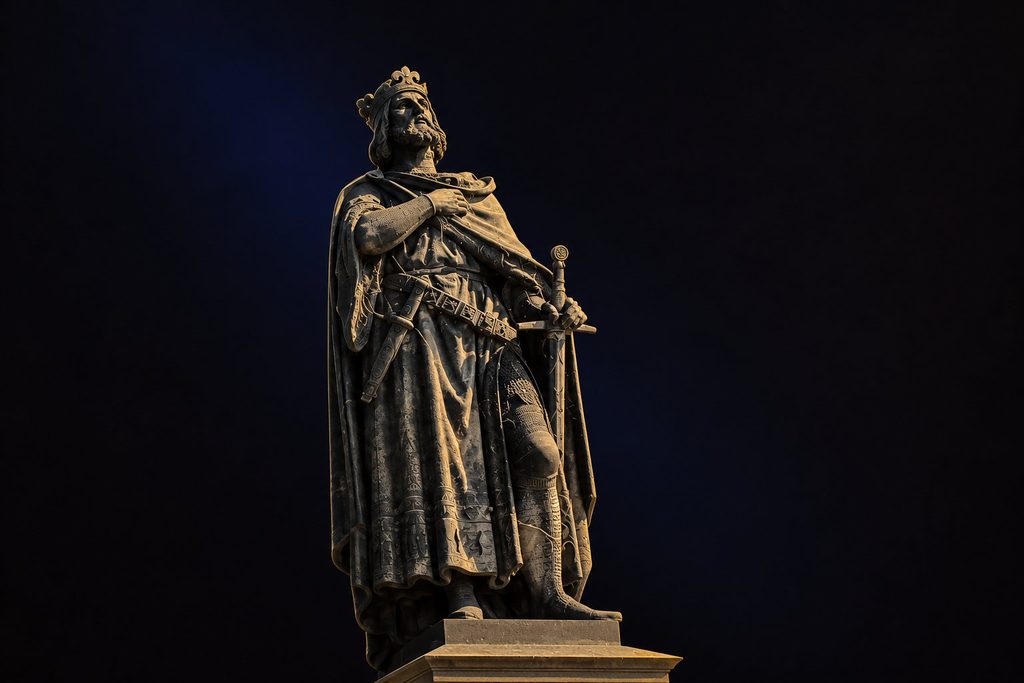
Sigismund of Luxembourg (1368–1437), the younger brother of Wenceslas IV, became central to the struggle for the Bohemian crown after Wenceslas died. Although Sigismund had a strong dynastic claim, many Hussites rejected him because of his association with the authorities that condemned Jan Hus.
The dispute involved much more than royal succession. It reflected a broader conflict over religious reform, political legitimacy, and the future of Bohemia. Furthermore, Sigismund’s efforts to establish his authority brought the Hussite Wars into a wider European struggle involving neighbouring powers and crusading campaigns.
Military resistance prevented Sigismund from securing uncontested control for many years. Eventually, negotiations and political compromises helped resolve the conflict, and Bohemian representatives accepted him as king in 1436.
His reign illustrates how religious disagreements and dynastic ambitions could combine to reshape an entire kingdom. Sigismund is a controversial Prague historical figure, remembered more for conflict than for building.
Where to explore the period: Visit Bethlehem Chapel and Prague’s New Town Hall. These locations help connect the religious reform movement with the political crisis that fuelled the Hussite Wars.
6. Rudolf II: The Emperor Who Made Prague an Imperial Residence
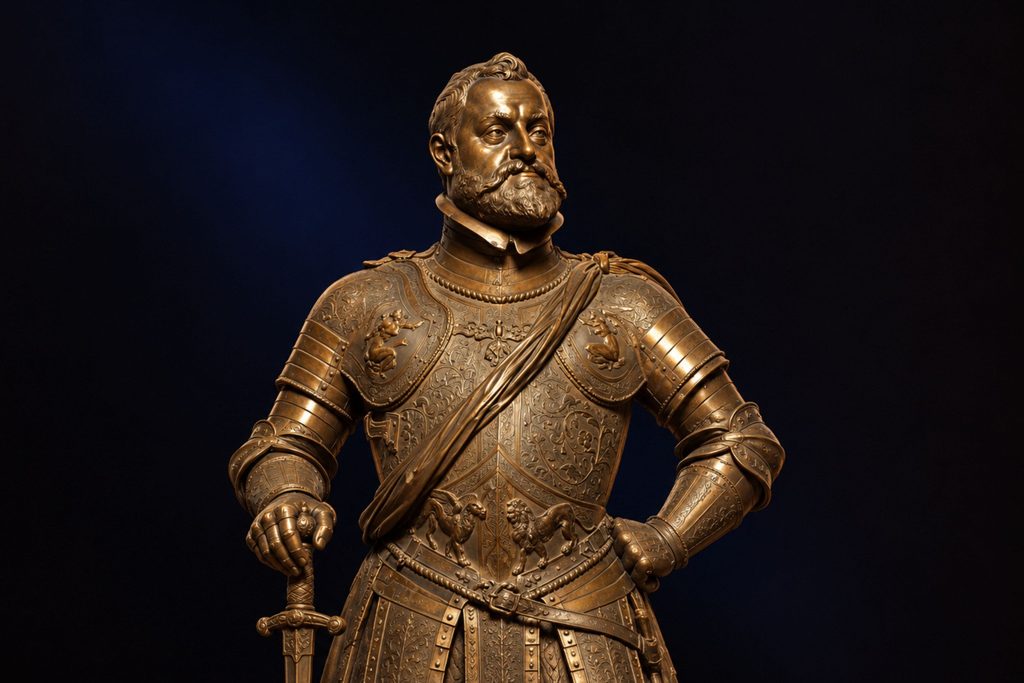
Rudolf II (1552–1612) ruled as Holy Roman Emperor and King of Bohemia. During his reign, he established his principal imperial residence at Prague Castle, making the city an important centre of court life, collecting, and scientific activity.
Rudolf II represents a different type of Prague historical figure: an emperor who shaped the city through patronage, not war.
Rudolf supported astronomers, mathematicians, artists, and scholars. His court attracted specialists from different parts of Europe, while his collections included important works of art and scientific instruments. Consequently, Prague gained a distinctive place in the intellectual life of late Renaissance Europe.
Nevertheless, Rudolf faced serious political difficulties. Religious divisions and rivalries within the Habsburg family weakened his position, and his brother Matthias gradually took control of important territories.
Rudolf’s reign shows that Prague’s influence depended not only on military strength but also on the political priorities and interests of the ruler who governed from the city.
Visitors can explore the history of Prague’s imperial residence and its royal rulers in our Prague Castle guide.
Where to explore his legacy: Visit Prague Castle to explore the historic residence associated with Rudolf and other rulers. Its buildings offer a glimpse into the imperial court that once operated there.
7. Ferdinand II: The Ruler Linked to the Battle of White Mountain
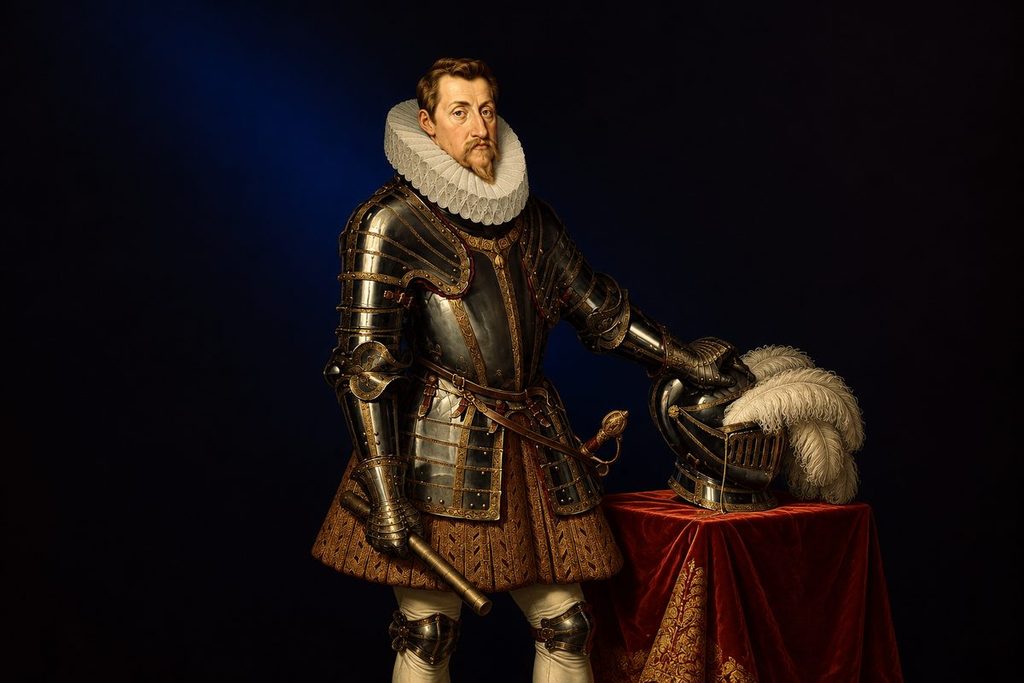
Ferdinand II (1578–1637), a Habsburg ruler who later became Holy Roman Emperor, played a decisive role in the conflict that developed into the Thirty Years’ War. Disagreements over religion and political authority between the Habsburg monarchy and Protestant estates in Bohemia eventually triggered the Bohemian Revolt.
In 1618, Protestant nobles threw two imperial governors and a secretary from the windows of Prague Castle. This event, known as the Second Defenestration of Prague, became a powerful symbol of resistance to Habsburg rule. The men survived the fall, but the political crisis soon escalated into open warfare.
The conflict reached a decisive point at the Battle of White Mountain near Prague in November 1620. Forces loyal to Ferdinand defeated the Bohemian estates, and the Habsburg monarchy consolidated its control.
Afterward, the authorities executed prominent rebels, confiscated property, and pursued religious re-Catholicisation. These measures transformed Bohemian political and religious life and left a lasting mark on Czech historical memory.
Where to explore his legacy: Prague Castle connects visitors with the events of 1618, while the White Mountain area marks the site associated with the decisive battle of 1620.
8. Tomáš Garrigue Masaryk: The First President of Czechoslovakia
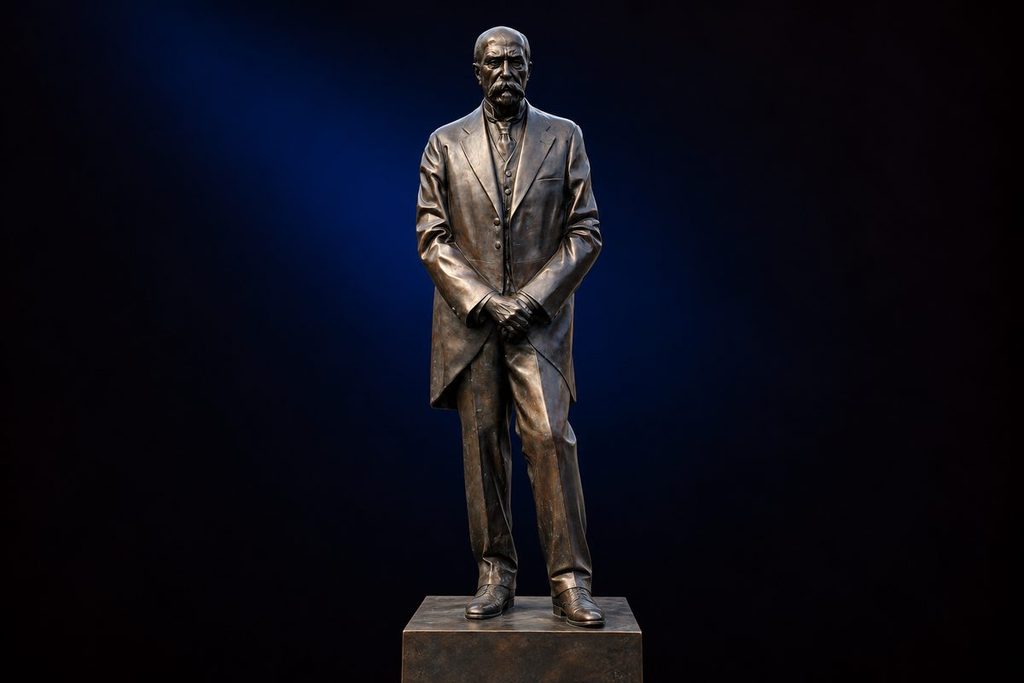
Tomáš Garrigue Masaryk (1850–1937) helped lead the movement for an independent Czechoslovak state. A philosopher and politician, he worked abroad during the First World War to secure international support for independence from Austria-Hungary.
His efforts contributed to the creation of Czechoslovakia in 1918. In November of that year, the new country elected Masaryk as its first president. He then faced the difficult task of helping establish democratic institutions after the collapse of an empire.
Czechoslovakia included Czechs, Slovaks, Germans, Hungarians, Jews, and other communities. Therefore, questions of representation, citizenship, and national identity remained important challenges for the young republic.
Masaryk became closely associated with parliamentary democracy and the development of the country’s political institutions. However, the interwar state also faced significant social and national tensions.
Where to explore his legacy: Prague Castle became the seat of the presidency after Czechoslovakia’s creation. A visit helps illustrate the transition from monarchy and imperial rule to a modern republic.
9. Reinhard Heydrich: Nazi Rule and Czech Resistance
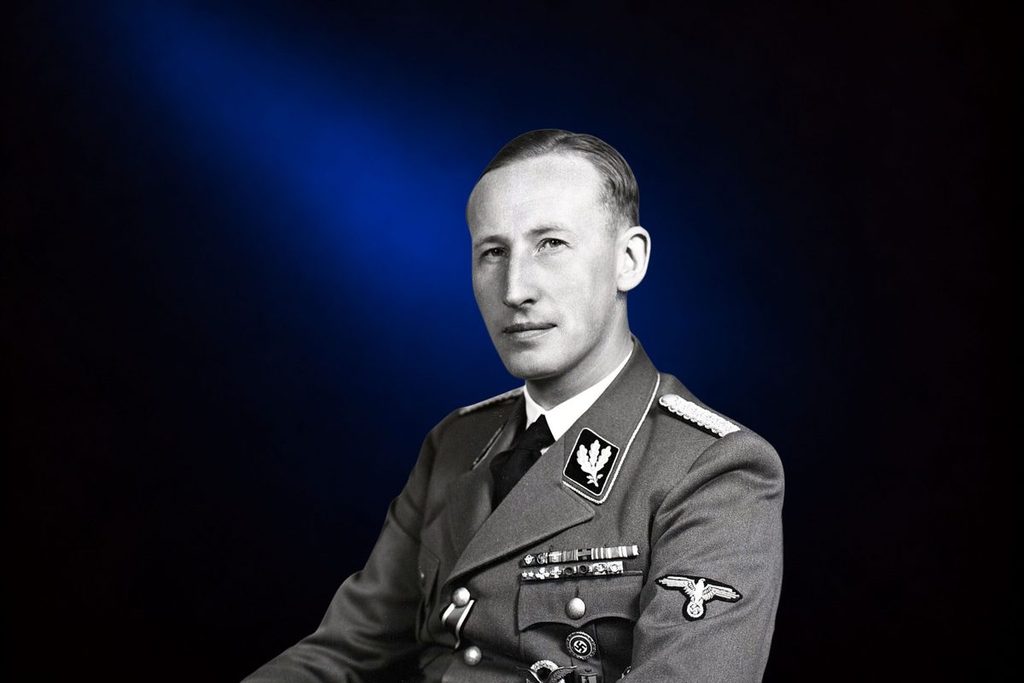
Reinhard Heydrich (1904–1942) was a senior Nazi official who became acting Reich Protector of Bohemia and Moravia in 1941. During the German occupation, his administration used arrests, executions, intimidation, and systematic repression to weaken Czech resistance and tighten Nazi control.
These policies affected everyday life throughout the occupied Czech lands. Meanwhile, resistance networks continued their work under extreme danger, while the Czechoslovak government-in-exile in London sought ways to challenge German rule.
In May 1942, Czechoslovak parachutists carried out Operation Anthropoid, an assassination attempt against Heydrich. He died from his injuries in June. In response, the Nazi authorities carried out brutal reprisals, executed civilians, hunted resistance supporters, and destroyed the villages of Lidice and Ležáky.
These crimes remain among the darkest episodes of modern Czech history. The story deserves attention not because of Heydrich’s power, but because of the courage of the resistance fighters and the suffering inflicted on Czech communities.
Prague’s history also includes stories of resistance, courage, and suffering under Nazi occupation. Read more in our guide to strange and dark stories in Prague.
Where to explore this history: Visit the National Monument to the Heroes of the Heydrich Terror, located in the crypt of the Church of Saints Cyril and Methodius. Czechoslovak parachutists took refuge there after the assassination attempt. Today, the memorial honours the resistance fighters and remembers those who suffered under Nazi repression.
10. Václav Havel: A Prague Historical Figure Who Helped Shape Democracy
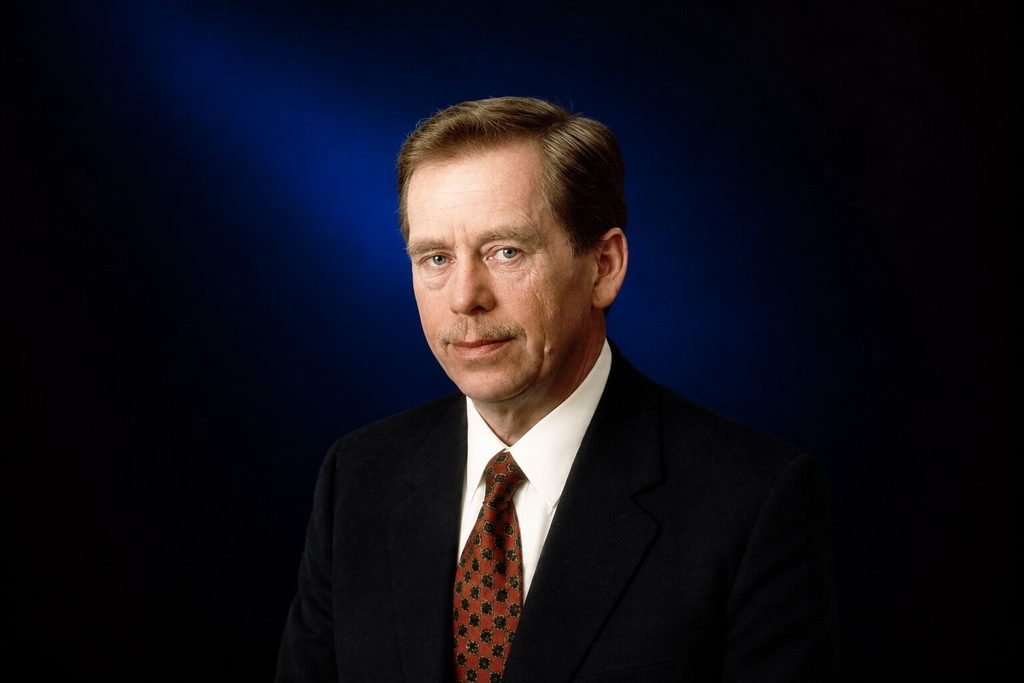
Václav Havel (1936–2011) became one of the most prominent opponents of communist rule in Czechoslovakia. A dissident and playwright, he criticised restrictions on freedom and helped organise opposition to the government. His activities brought surveillance, imprisonment, and repeated confrontations with the authorities.
In November 1989, police violently suppressed a student demonstration in Prague. The incident helped trigger the Velvet Revolution, a mass movement that brought thousands of people into the streets to demand political change.
Havel became a leading representative of Civic Forum, the opposition movement that negotiated the end of one-party rule. In December 1989, he became president of Czechoslovakia. His election symbolised the country’s transition from communist government toward democracy.
After Czechoslovakia peacefully dissolved in 1993, Havel became the first president of the Czech Republic. His career demonstrates how a dissident movement, supported by public demonstrations and negotiations, can transform a country’s political system. Today, his name also lives on at Václav Havel Airport Prague, where travellers can learn more about the airport and discover practical tips for saving money.
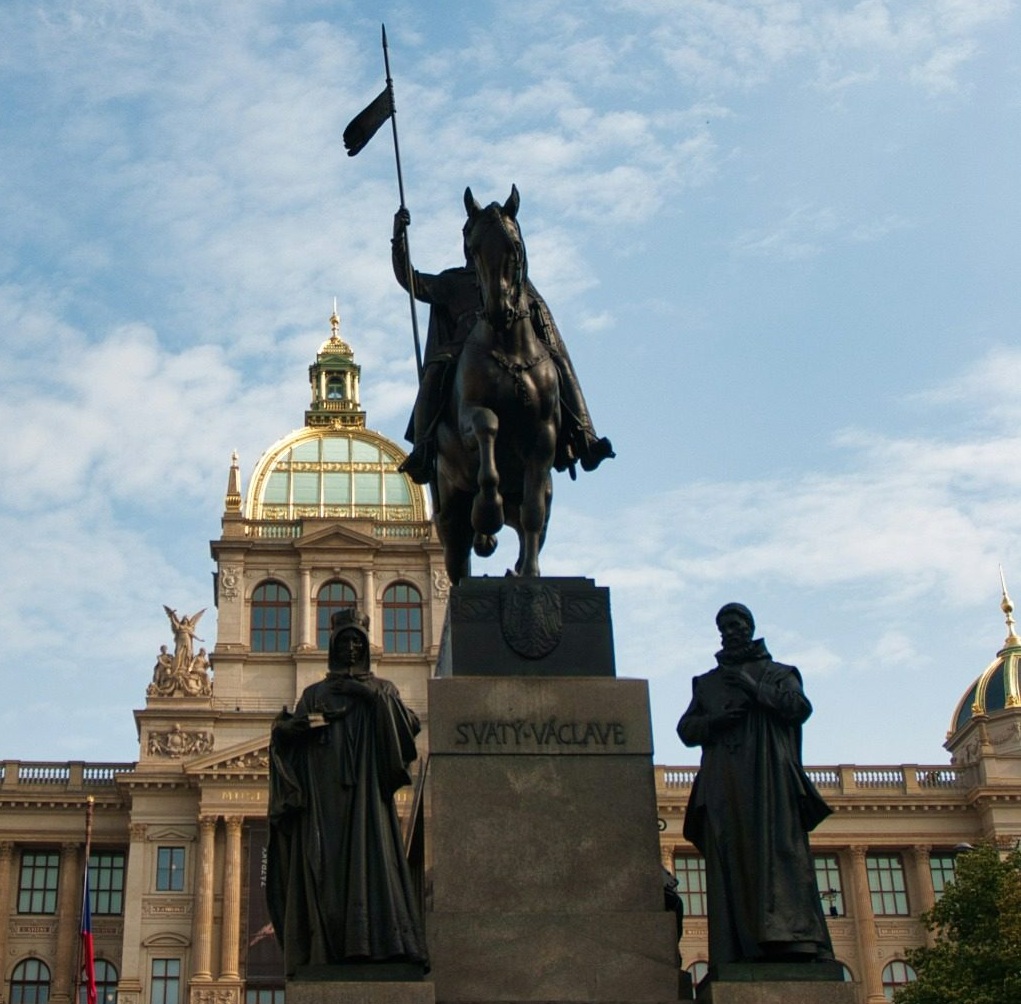
Where to explore his legacy: Visit Wenceslas Square, where major demonstrations took place in 1989, and Národní třída, where police stopped the student march. Prague Castle also connects Havel’s presidency with the institutions of the democratic state.
Where to Explore Prague’s Political History
Prague’s historic sites help visitors connect individual leaders with the conflicts and political changes they influenced. Instead of viewing monuments in isolation, consider how each location fits into the city’s wider story.
- Prague Castle: Explore the history of Bohemian kings, Habsburg rulers, and modern Czech presidents.
- Bethlehem Chapel: Discover Jan Hus and the religious reform movement that helped inspire the Hussite Wars.
- Vítkov Hill: See the monument to Jan Žižka and learn about the military history of the Hussite period.
- White Mountain: Visit the area associated with the defeat of the Bohemian estates in 1620.
- National Monument to the Heroes of the Heydrich Terror: Remember the Czechoslovak resistance and the victims of Nazi repression.
- Wenceslas Square and Národní třída: Follow the story of political protest and the Velvet Revolution of 1989.
Together, these locations reveal how royal ambition, religious conflict, occupation, and public resistance repeatedly changed Prague’s political life. To discover more landmarks and understand why they were built, explore our guide to Prague monuments.
To understand the broader political developments behind these historical figures, explore our guide to Prague Political History, covering the rulers, conflicts, occupations, and changes in government that shaped the city.
Frequently Asked Questions About Prague Historical Figures
Charles IV, Jan Hus, Jan Žižka, Rudolf II, Tomáš Garrigue Masaryk, and Václav Havel all played important roles in the city’s wider history. Their influence extended across royal government, religious reform, warfare, national independence, and democracy.
Jan Hus inspired a religious reform movement, while Jan Žižka became a major military commander. Sigismund of Luxembourg opposed the Hussite cause and sought to establish his authority over Bohemia.
Prague Castle served as a residence for Bohemian rulers and became an imperial residence under figures such as Charles IV and Rudolf II. Since the establishment of Czechoslovakia in 1918, it has also served as the seat of the country’s presidency, including that of the modern Czech Republic.
Reinhard Heydrich exercised Nazi authority as acting Reich Protector of Bohemia and Moravia. Czechoslovak resistance fighters carried out Operation Anthropoid against him in 1942, and the reprisals that followed devastated Czech communities.
Havel became a leading figure in the opposition to communist rule and helped represent Civic Forum during the Velvet Revolution. In December 1989, he became president of Czechoslovakia, marking a major turning point in the country’s political history.
Final Thoughts
The story of Prague Historical Figures is also the story of a city repeatedly transformed by power, conflict, and the determination of its people. From Charles IV’s ambitious building projects to Jan Žižka’s military campaigns, from the struggles for national independence to Václav Havel’s role in the Velvet Revolution, each period left its mark on Prague’s identity.
Today, you can explore this history through the city’s castles, monuments, historic squares, and memorials. As you walk through Prague, remember that these landmarks represent more than architectural beauty. They also reflect the decisions, struggles, and sacrifices that shaped the Czech capital over centuries.
Whether you are interested in medieval warfare, royal politics, resistance during World War II, or the fight for democracy, discovering Prague Historical Figures offers a deeper understanding of the city beyond its famous sights.
 Charles IV: Medieval king who transformed Prague into an imperial capital.
 Saint Wenceslas: Bohemian duke and patron saint of the Czech nation.
 Jan Hus: Religious reformer whose teachings helped inspire the Hussite movement.
 Jan Žižka: Military commander who led the Hussite armies.
 Rudolf II: Emperor who made Prague a major centre of art and science.
 John Amos Comenius: Czech educator who helped shape modern educational thought.
 Tomáš Garrigue Masaryk: Founder and first president of Czechoslovakia.