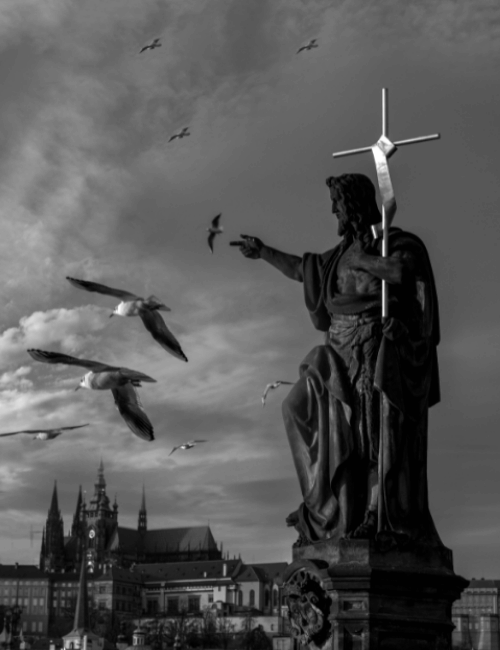

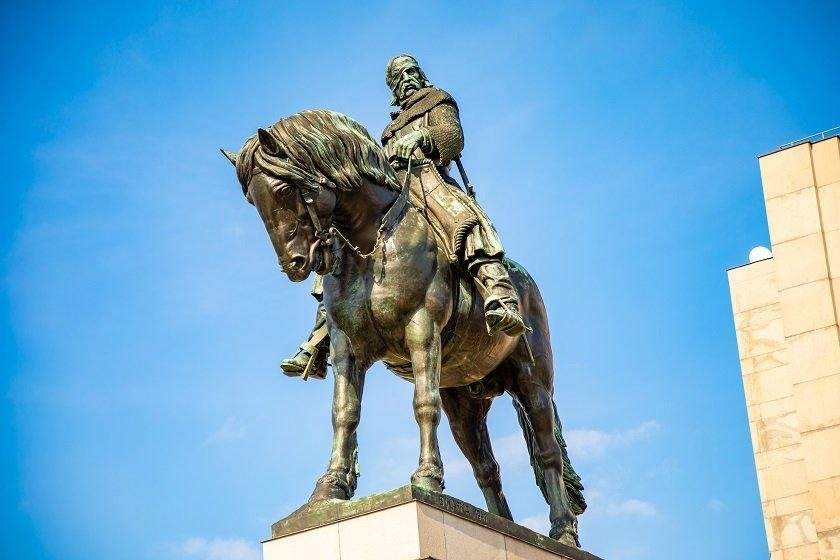
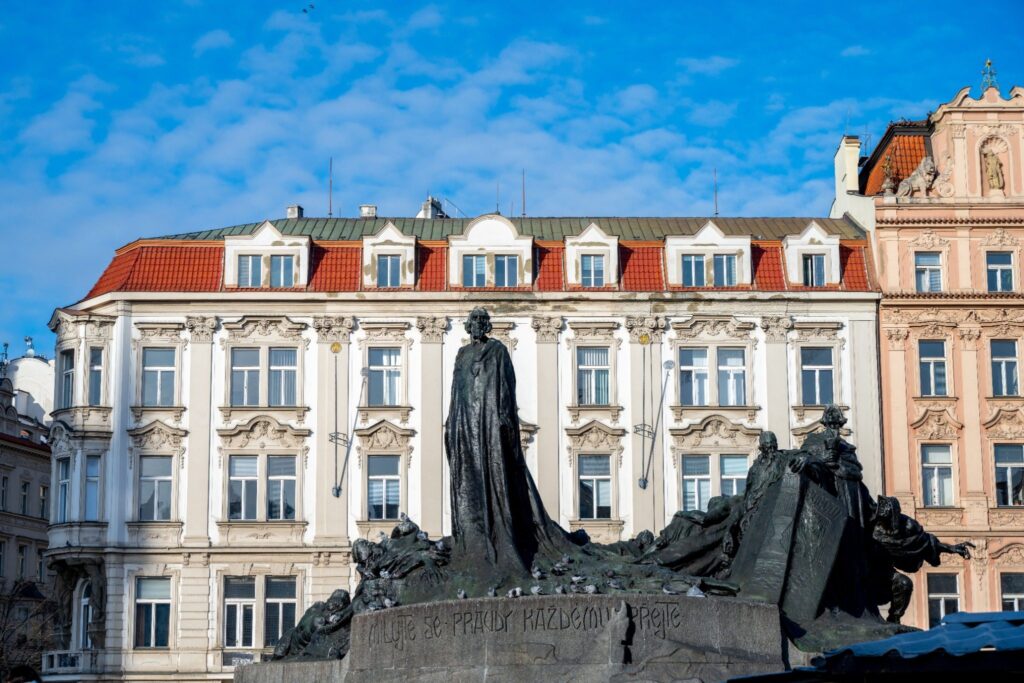
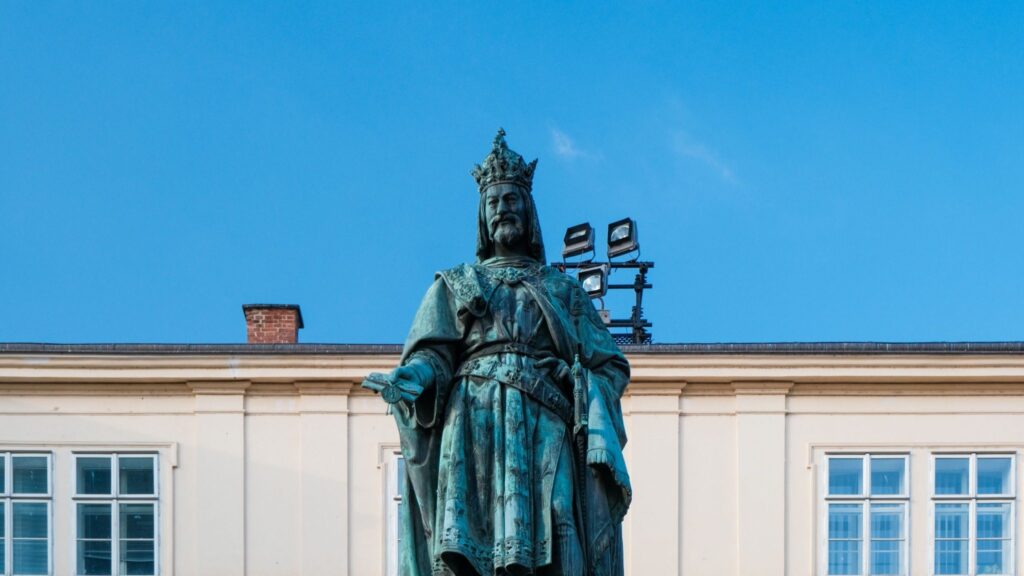
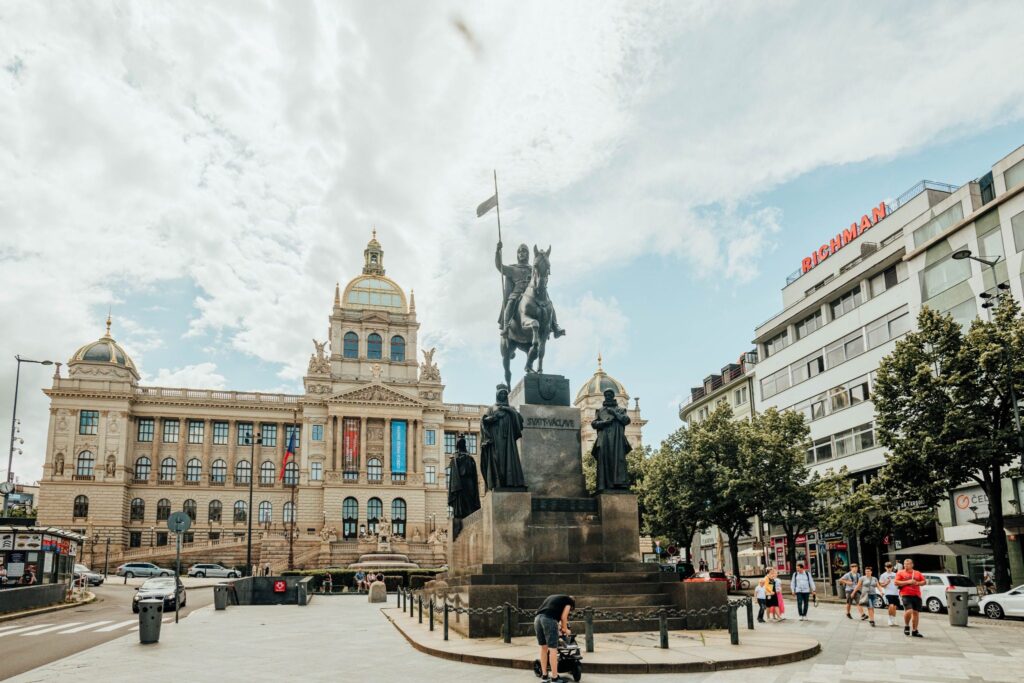
Statue of Charles IV, Holy Roman Emperor, representing Prague's historic figures

Prague Historic Figures

Discover Prague Historic Figures Who Shaped Czech History
Discover Prague Historic Figures who shaped the city's past, from medieval kings and religious reformers to national heroes and modern presidents. Explore their lives and lasting influence on Czech history, culture, and identity.
PRAGUE HISTORIC FIGURES GUIDE

Meet the Famous Figures of Prague’s Past

From medieval kings and religious reformers to national heroes and modern presidents, Prague’s history is filled with remarkable people. Their choices, struggles, and achievements helped shape the Czech lands across the centuries. Explore the guides below to learn about their lives, their legacy, and the stories behind Prague’s rich historical heritage.

Want to Discover More of Prague’s History?

Explore the people, events, beliefs, and traditions that shaped Prague and the Czech lands. Discover fascinating stories, historic landmarks, and defining moments from the medieval era to modern times.

There’s More to Prague Than Meets the Eye

Step into the past and uncover the stories behind Prague’s royal legacy, cultural achievements, religious movements, and political turning points. Dive deeper into the events and personalities that left their mark on the city and shaped Czech identity through the centuries.
Browse Guides
Discover More Prague Categories

The Ultimate Visitor's Guide to Prague

FAQs

PRAGUE HISTORIC FIGURES FAQS

Curious about the people, events, and traditions that shaped Prague? Explore answers to common questions about medieval rulers, historic monuments, religious movements, and political changes. These FAQs will help you understand the city's fascinating past and discover the stories behind its rich cultural heritage.

Charles IV expanded Prague’s importance during the fourteenth century, while Rudolf II later established his imperial court there. Earlier rulers, including Saint Wenceslas, also shaped Bohemian traditions, political authority, and the city’s enduring historical identity.

Jan Hus challenged Church practices and preached reform in Prague. After his execution in 1415, his followers inspired a religious movement that profoundly influenced Bohemian politics, worship, and conflicts during the fifteenth century and national identity.

Prague Castle served as the seat of Bohemian kings and later Czech presidents. Its churches, palaces, and courtyards reflect centuries of changing rule, making the complex a powerful symbol of Czech statehood and continuity today.

In November 1989, mass demonstrations in Prague helped bring an end to communist rule in Czechoslovakia. The largely peaceful Velvet Revolution opened the way for democratic reforms, with Václav Havel becoming president that December soon.

Charles IV founded Charles University in 1348 and promoted major building projects, including Charles Bridge and New Town. His reign strengthened Prague’s position as a political, educational, and cultural centre within medieval Europe at the time.

The Hussite Wars brought religious conflict and political upheaval to Bohemia. Prague became a major centre of the movement, witnessing unrest, shifting alliances, and struggles over religious authority that affected society for decades throughout the region.

Nazi Germany occupied Prague in 1939, bringing persecution and repression. Jewish communities suffered devastating losses during the Holocaust. The occupation ended in 1945 after the Prague Uprising and the Allied advance.

Franz Kafka influenced modern literature, while composers Bedřich Smetana and Antonín Dvořák brought Czech music international recognition. Their works remain important parts of Prague’s literary and cultural heritage.