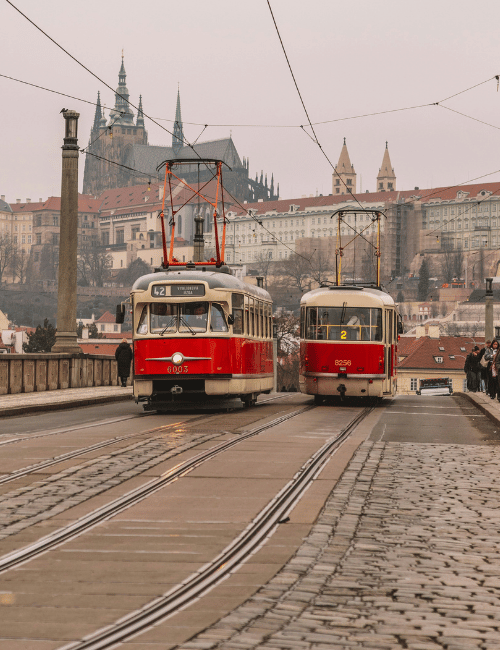

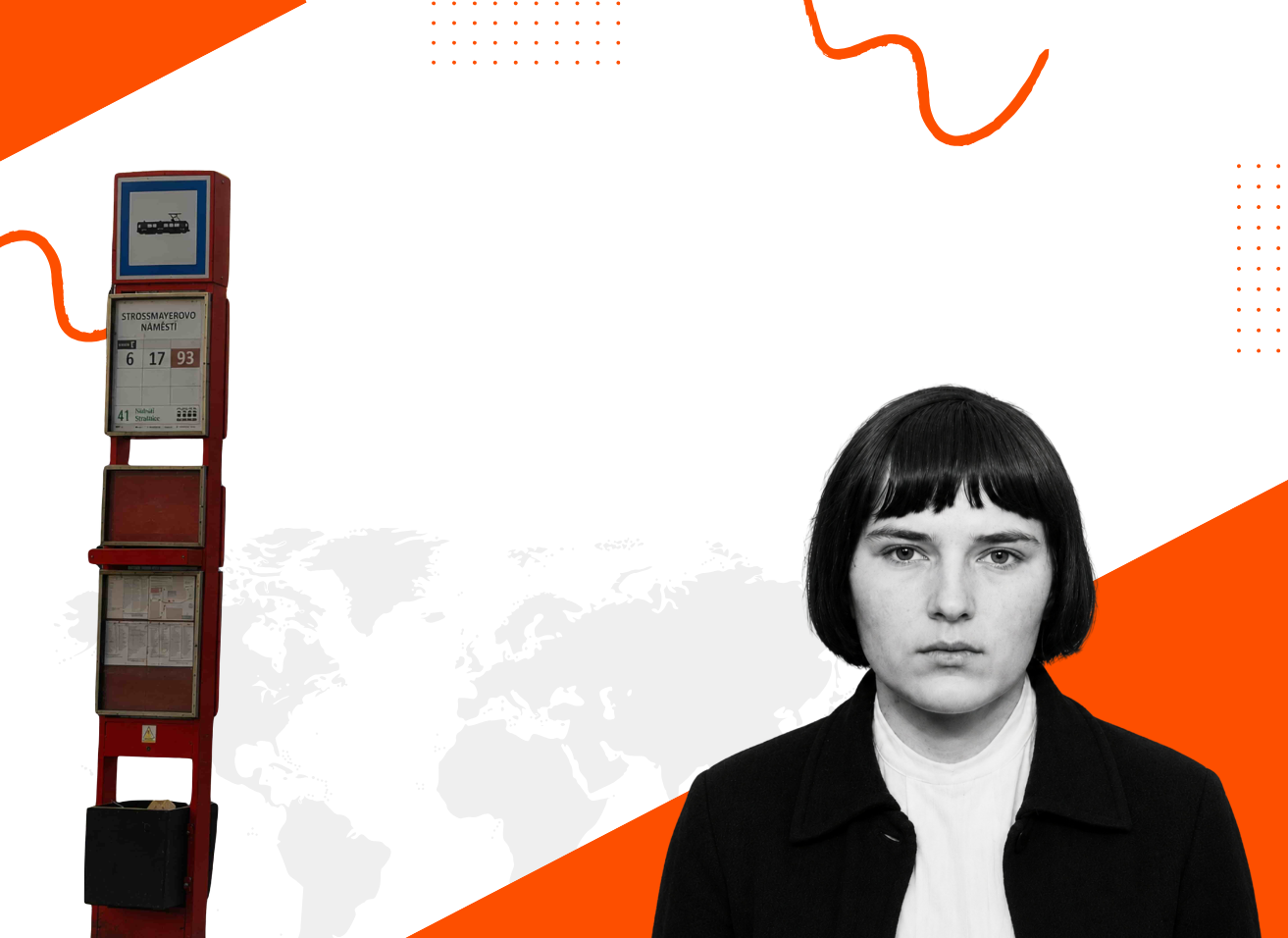
Strossmayerovo náměstí tram stop looks like any other stop in Prague 7.
Trams arrive every 3 minutes. Students with backpacks. Pensioners with shopping bags. On the corner, people buy cigarettes at the Tabak shop where a “Mleko” dairy shop once stood.
It feels ordinary. Safe. Boring.
But on July 10, 1973 at 1:30pm, this exact sidewalk at Strossmayerovo náměstí tram stop became the scene of Czechoslovakia’s deadliest mass vehicle attack.
In 28 seconds, a 22-year-old woman driving a rented Praga RN truck drove onto the pavement and killed 8 people.
Her name was Olga Hepnarová. Her crime made her the last woman legally executed in Czechoslovakia.
This is the full tragic story behind Strossmayerovo náměstí tram stop, what happened, who Olga was, and why this stop still matters today.
Strossmayerovo Náměstí Tram Stop: Location and Why It Was Chosen
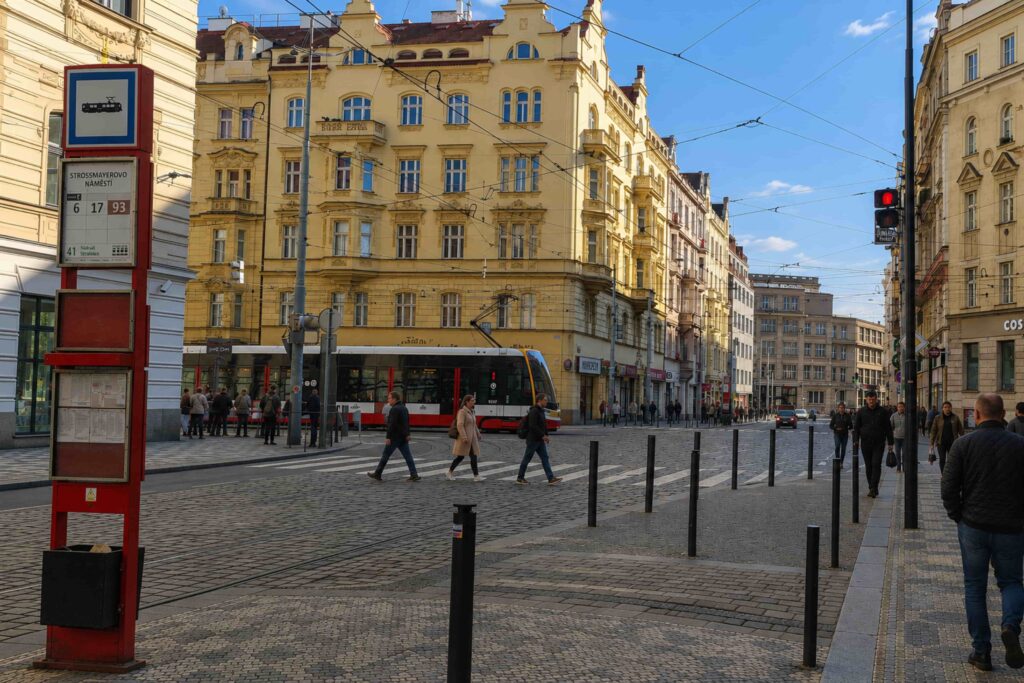
Strossmayerovo náměstí tram stop is located in Holešovice, Prague 7. Today it serves tram lines 1, 6, 12, and 25. It’s 2 stops from Vltavská Metro Station on Line C.
In 1973 the street was called “Obránců Míru”, Defenders of Peace. Today it’s Milada Horáková.
Olga did not pick Strossmayerovo náměstí tram stop randomly. Police files and her testimony show 3 reasons:
The Hill: Milada Horáková slopes directly down into the square. A heavy truck gains dangerous speed.
The Crowd: The stop was used by pensioners going to markets and clinics. At 1:30pm it was always full.
The Architecture: The curb was low. The sidewalk was long and straight. A wall and bus stop pole at the end meant no escape.
Today there is no plaque at Strossmayerovo náměstí tram stop. That absence is part of why the story feels so haunting.
Who Was Olga Hepnarová: Life Before the Strossmayerovo Náměstí Tram Stop Attack
To understand what happened at Strossmayerovo náměstí tram stop, you have to understand Olga.
Family and Childhood
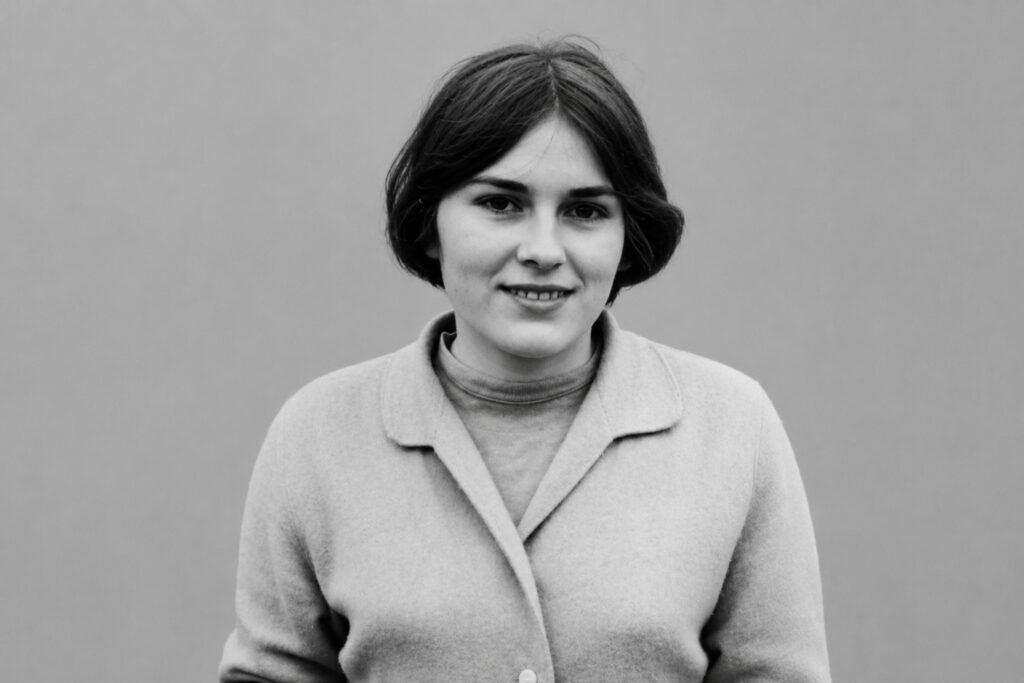
Olga Hepnarová was born 30 June 1951 in Prague, years before she would drive into Strossmayerovo náměstí tram stop.
Antonín, Her father was a bank clerk. Her mother Anna was a dentist. Her older sister Eva was born in 1949.
On paper it was a middle-class, educated family. But Olga later described herself as the family “scapegoat” and “human footrest“. She felt her parents favored her sister.
As a child she “did not stand out”. But at school she had problems both ways: she was mocked by peers, and she also bullied smaller children.
School Problems and Nicknames
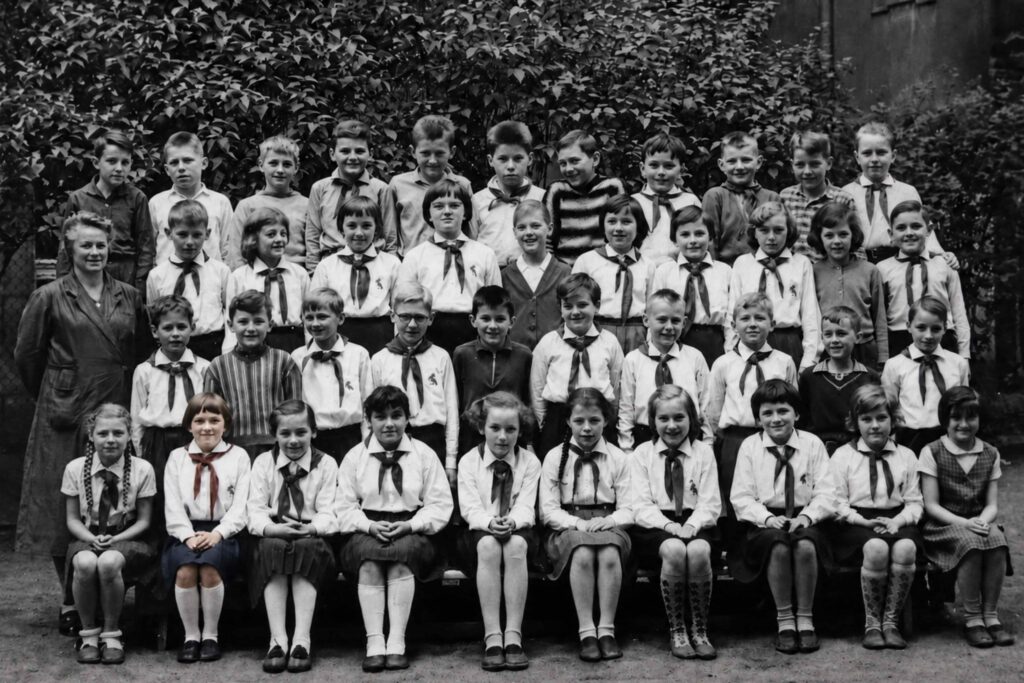
By 8th grade Olga started skipping school. Her grades were mostly “Satisfactory” and “Good”, but she did not receive her school-leaving certificate due to “personal qualities“
Classmates gave her nicknames: “Dragoness”, “Mummy”, “Tarzan”, “Stone Flower”. None of them knew she would one day be linked to Strossmayerovo náměstí tram stop massacre.
Psychiatric Hospital in Opařany
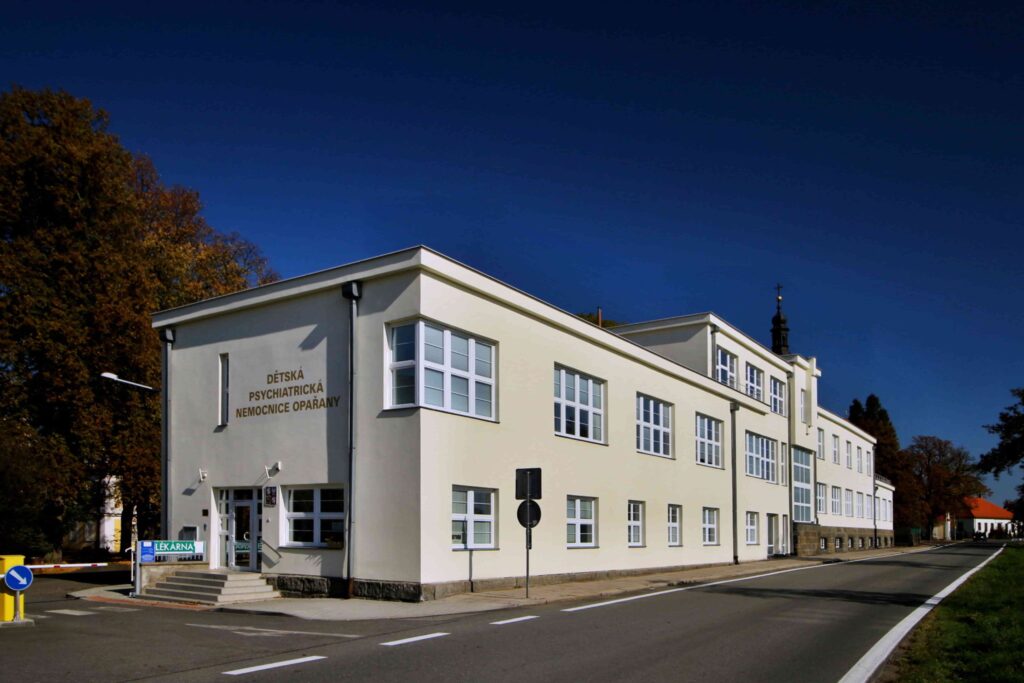
On 15 June 1964, age 13, Olga attempted suicide by overdosing on pills.
She was placed in a children’s psychiatric hospital in Opařany, where she spent about a year.
It was not a good experience. After an attempted escape she was beaten by staff. Other patients also abused her.
Doctors noted apathy, detachment, and nicotine addiction. Sexologists declared her “neither homosexual nor heterosexual”. No clear diagnosis of mental illness was made at the time.
Some modern Czech experts suggest symptoms of Asperger’s syndrome. Others mention schizophrenia. In the 1960s, Czechoslovakia had little support for either.
Olga later wrote:
“I hate people… It’s better for me when I’m alone than when I’m with them… They mutilated my soul”.
Work, Jobs, and Isolation
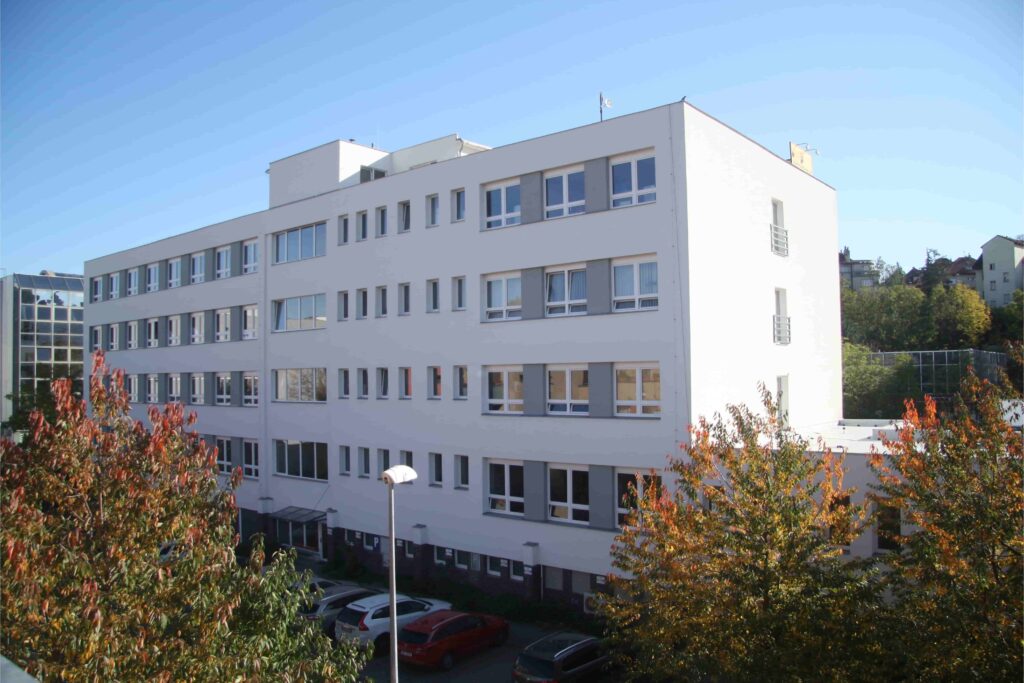
After Opařany, Olga finished basic school in the children’s home.
She trained as a bookbinder at Tomos Praha. After that, she lasted less than a year.
She then moved to Cheb for a public service job. Fired in under 3 months. More small jobs followed. None lasted.
Her father eventually helped her get a job as a truck driver for Prague municipal transport. The family also bought her a Wartburg car.
Break With Family and The Cabin in Oleško
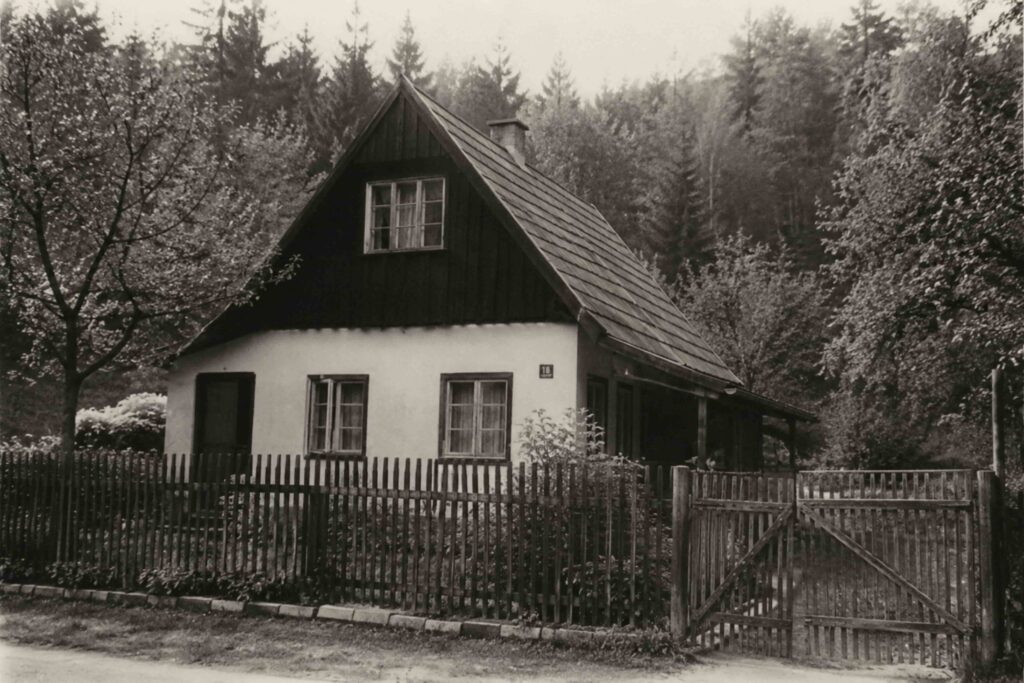
Olga bought a small cabin in Oleško village and commuted to Prague. Neighbors remembered her as absent-minded and never greeting anyone.
Her relationship with her parents deteriorated. She once threatened to kill her mother. In 1970 she admitted to setting fire to her parents’ cottage in Zábrodí out of revenge.
Sexuality and Final Years
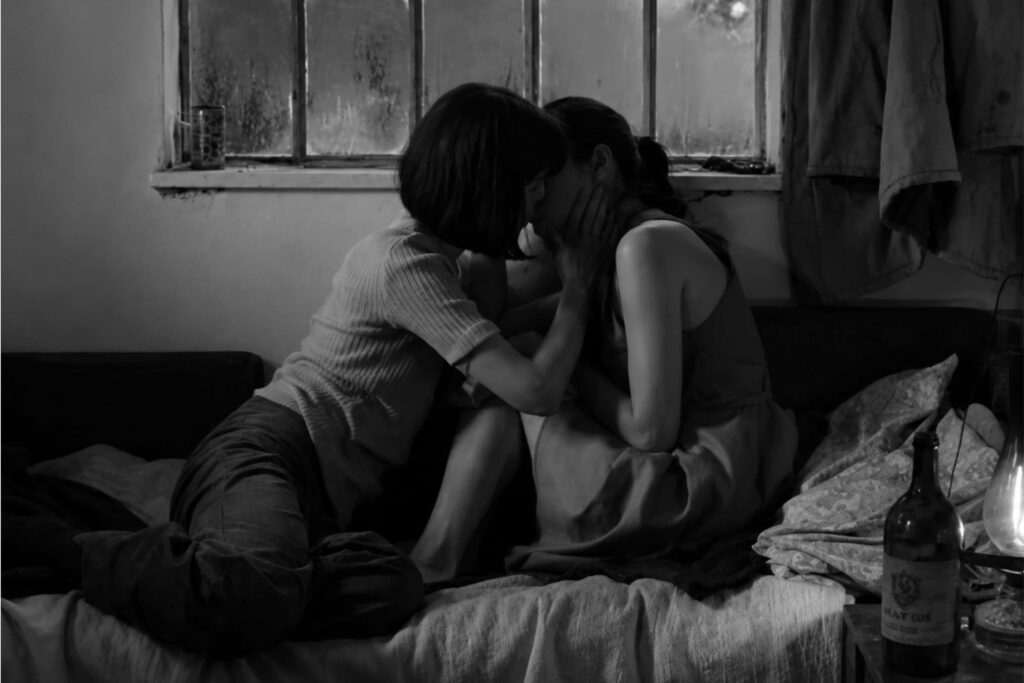
From age 17 Olga had sexual relationships with all genders. She described herself as a “sexual cripple”.
By 1973 she was 22, completely isolated, and full of rage toward “society“. She sold the cabin and bought a Trabant. On July 9th she pushed the Trabant into a ravine, saying she didn’t want anyone else to have it.
The next day she acted.
The Planning: Letters and The Truck
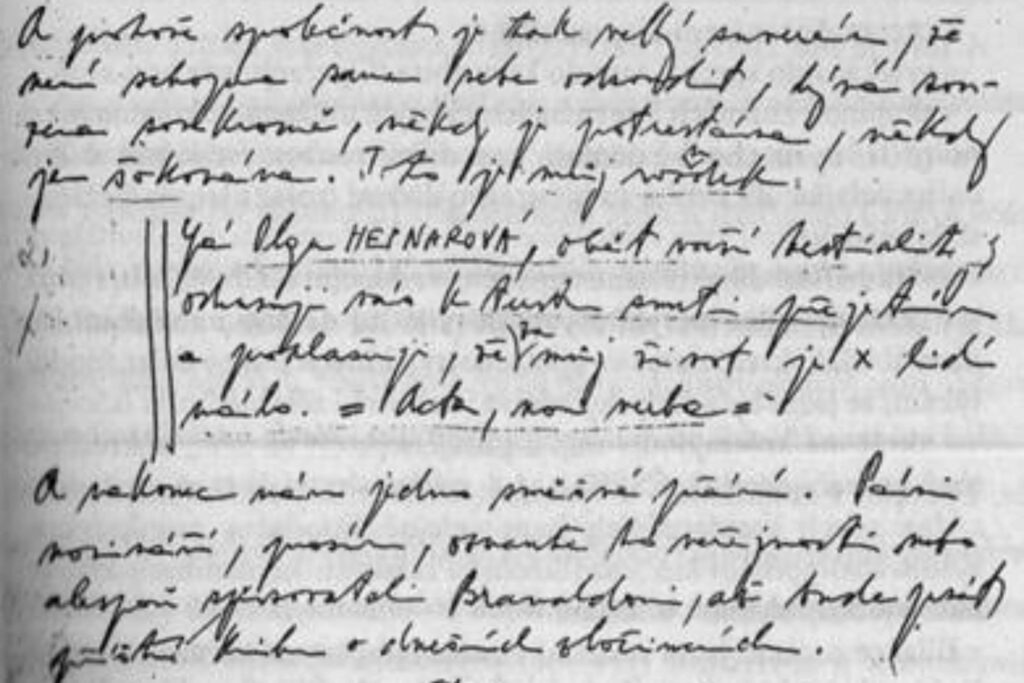
Before July 10th, Olga typed 2 identical letters and mailed them to Svobodné slovo and Mladý svět newspapers. Due to slow postal service, they arrived 2 days after the attack.
Key excerpt:
“I, Olga Hepnarová, the victim of your bestiality, sentence you to death penalty. Acta non verba”
“I have a choice – to kill myself or to kill others. I choose – TO REVENGE MY HATERS.”
She considered derailing a train or setting off a bomb. But she had a truck licence, so she chose a truck.
On July 10th at a rental on Milada Horáková, she paid CZK 20 for a test drive and CZK 260 to rent a Praga RN truck for the day.
July 10, 1973: 28 Seconds at Strossmayerovo Náměstí Tram Stop
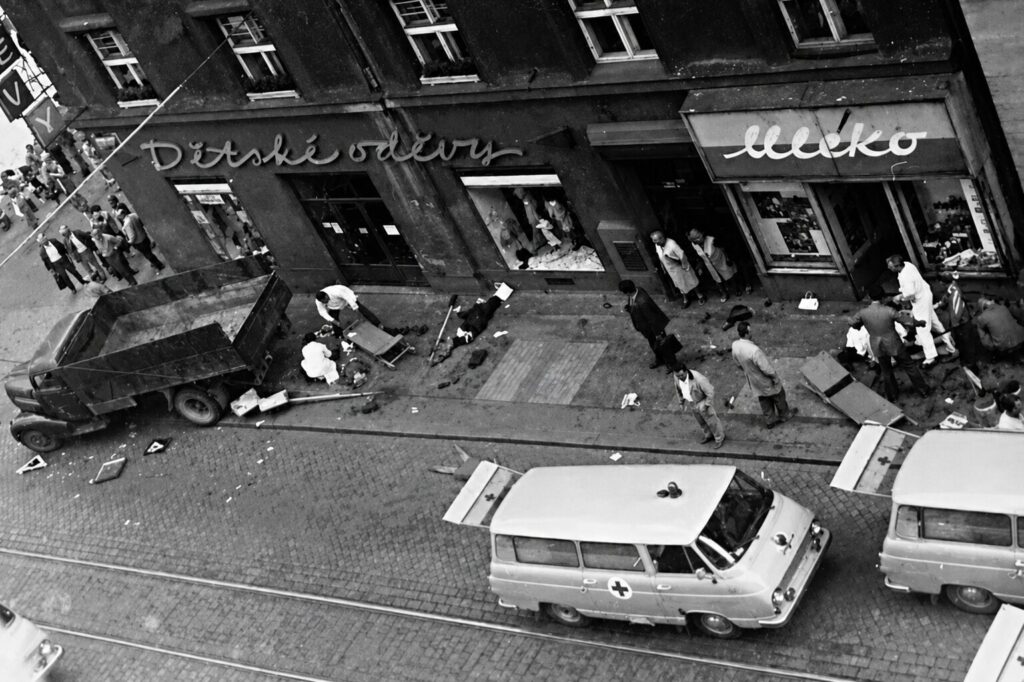
1:28 PM – Olga drives down Milada Horáková toward Strossmayerovo náměstí tram stop.
1:29 PM – First pass. A tram is at the stop. Too few people. She drives past and circles the block.
1:30 PM – Second pass. About 30 people are waiting. She turns sharply onto the sidewalk.
Her own court testimony:
“I turned onto the sidewalk, straightened the steering wheel, and then drove along the sidewalk, running over people… until I had run over all the people there and hit the bus stop post. Then the car stopped.”
Witnesses thought it was a mechanical failure. Olga got out and lit a cigarette. To the first police officer she said it was intentional.
The Victims
- 3 killed immediately
- 3 more died that day
- 2 died within days
- Total: 8 dead, all aged 60 to 79
- 12 injured, 6 seriously
Paramedic Karel Skružný recalled: “There was screaming, blood, and injured people everywhere. The other people stood around in shock.”
It was the worst mass murder in Czechoslovakia at the time.
Trial, Sentence, and Execution
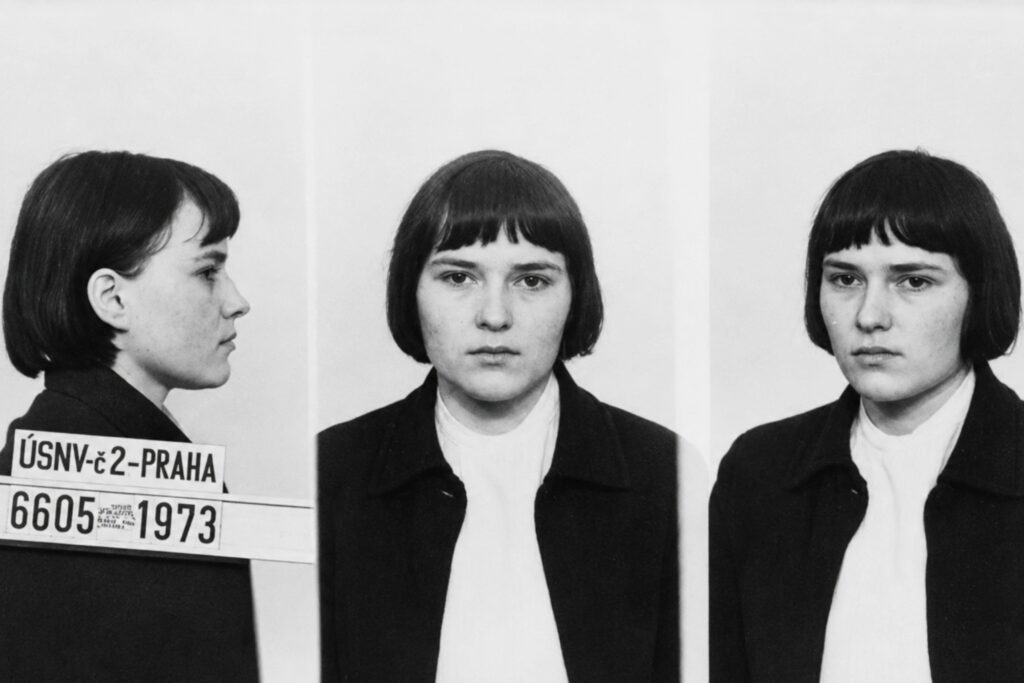
Olga did not deny the crime of Strossmayerovo náměstí tram stop. She asked for the death penalty.
She was sentenced on 6 April 1974.
On 12 March 1975 she was executed by short-drop hanging at Pankrác Prison. She was 23.
She remains the last woman executed in Czechoslovakia.
Strossmayerovo Náměstí Tram Stop Today: No Memorial
Visit Strossmayerovo náměstí tram stop now and you will find nothing. No plaque. No flowers. Just trams and the Tabak shop.
In 2016 the Czech-Polish film “I, Olga Hepnarová” brought international attention to the case.
In 2023, Prague murder squad detective Jan Štoček reviewed the case and said: “This could happen again at any time.” Six months later, the Charles University shooting became Czechia’s worst mass murder.
The conversation about isolation and warning signs started again.
The Debate: Mental Illness, Society, or Choice?
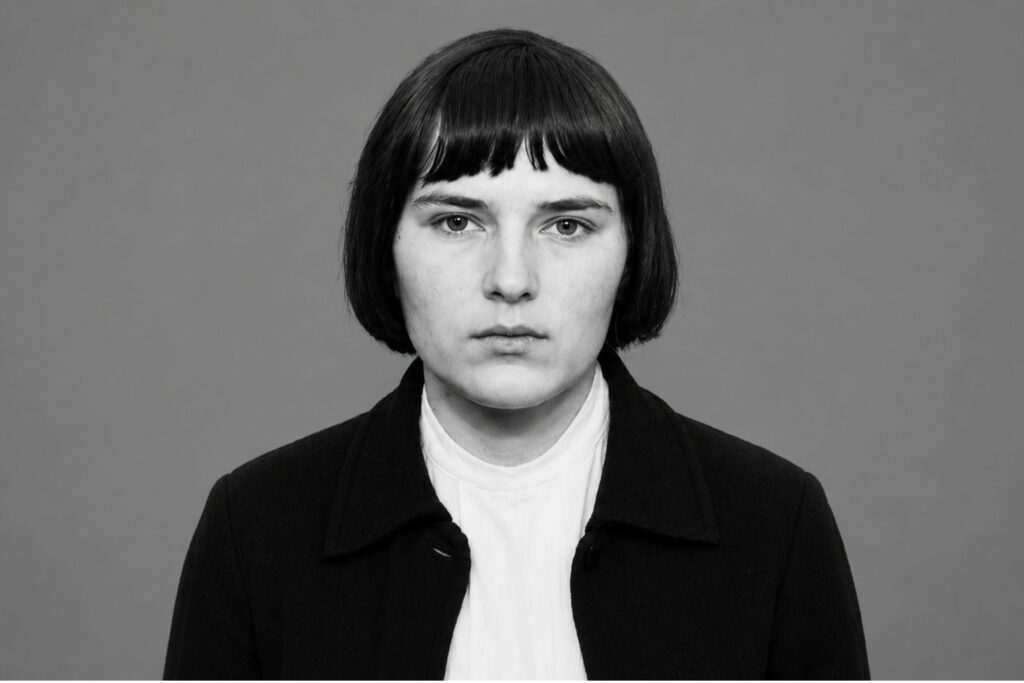
Czech sources still argue about Olga.
Argument 1: Mental Health
Hospitalized at 13. Symptoms of Asperger’s suggested. No support system in 1970s Czechoslovakia.
Argument 2: Personal Responsibility
Months of planning. Letters. Target selection. No remorse.
Most criminologists today agree it was both: untreated problems combined with societal rejection and access to a vehicle.
Visiting Strossmayerovo Náměstí Tram Stop: Dark Tourism Guide
How to get there: Tram 1, 6, 12, 25. 10 minute walk from Letná Park. Before you go, read: Prague Tram Tickets 2026: Tourist Guide + 8 Costly Mistakes so you don’t get fined.
When: Morning is quietest. Easier to imagine 1973.
Be respectful: 8 people died here. This is not a selfie spot. Take 60 seconds of silence.
Combine with: Pankrác Prison where Olga was executed. 20 minutes by Metro.
Final Thoughts for Strossmayerovo Náměstí Tram Stop Story
Prague is known for beauty. But its history also includes pain.
The story of Olga Hepnarová forces hard questions about loneliness, mental health, and what happens when rage has nowhere to go.
Next time you wait for a tram, remember that history isn’t only in museums. Sometimes it’s under your feet.
And if you ever stand at Strossmayerovo náměstí tram stop, you’ll now know the tragic story behind it.