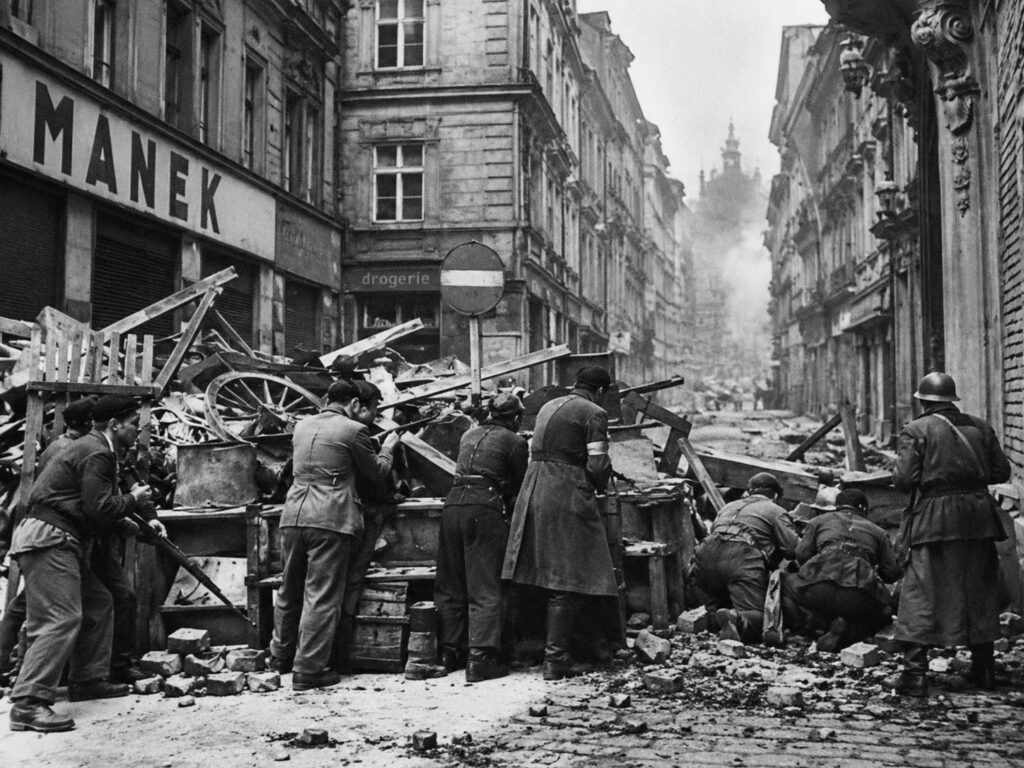
Prague Defining Wars: Czech resistance fighters defending a barricade during the Prague Uprising in May 1945.
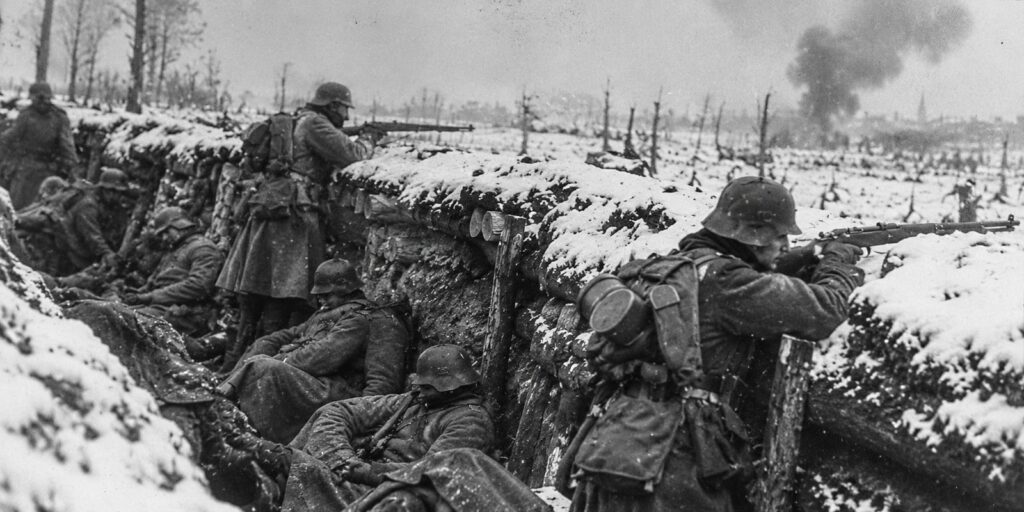
Prague Defining Wars: World War I soldiers defending a snow-covered trench during the First World War.

Prague Defining Wars

Explore the Wars That Shaped Prague and Czech History
Explore Prague Defining Wars and uncover the conflicts that transformed the city and the Czech lands. Discover how religious battles, foreign invasions, and world wars reshaped borders, beliefs, and political power, leaving a lasting mark on Prague's history, identity, and heritage.
PRAGUE DEFUBUBG WARS GUIDE

Discover The Wars That Changed Prague and the Czech Lands

Prague's history has been shaped by centuries of conflict, from medieval religious battles and struggles for royal power to foreign invasions and two world wars. These events transformed political boundaries, challenged religious beliefs, and changed the lives of generations. Explore the guides below to discover the major wars that shaped the Czech lands and understand how their consequences continue to influence Prague's history and identity.
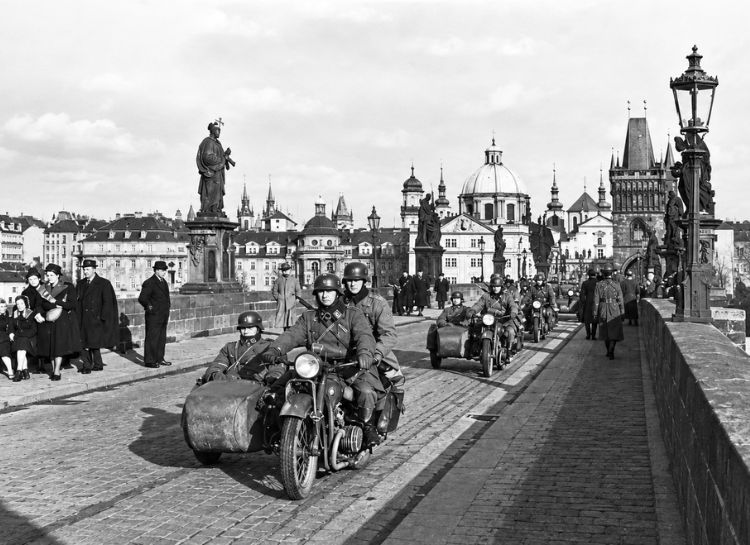
German military motorcycles cross Charles Bridge during the 1939 invasion, a defining moment in Prague war history.

Prague’s Defining Wars: The Conflicts That Changed the City and Czech Lands

Prague war history is not simply a story of battles and invading armies. It tells the story of a city that repeatedly fought to protect

Want to Discover More of Prague’s History?

Explore the people, events, beliefs, and traditions that shaped Prague and the Czech lands. Discover fascinating stories, historic landmarks, and defining moments from the medieval era to modern times.

There’s More to Prague Than Meets the Eye

Step into the past and uncover the stories behind Prague’s royal legacy, cultural achievements, religious movements, and political turning points. Dive deeper into the events and personalities that left their mark on the city and shaped Czech identity through the centuries.
Browse Guides
Discover More Prague Categories

The Ultimate Visitor's Guide to Prague

FAQs

PRAGUE DEFINING WARS FAQS

Discover answers to common questions about the wars that shaped Prague and the Czech lands. Explore the causes of major conflicts, the battles that changed political power, and the lasting consequences of invasions, religious struggles, and world wars throughout Czech history.

Prague was shaped by the Hussite Wars, the Thirty Years’ War, eighteenth-century sieges, the First World War, Nazi occupation, and the 1945 uprising. These conflicts transformed political power, religious life, and Czech society across generations.

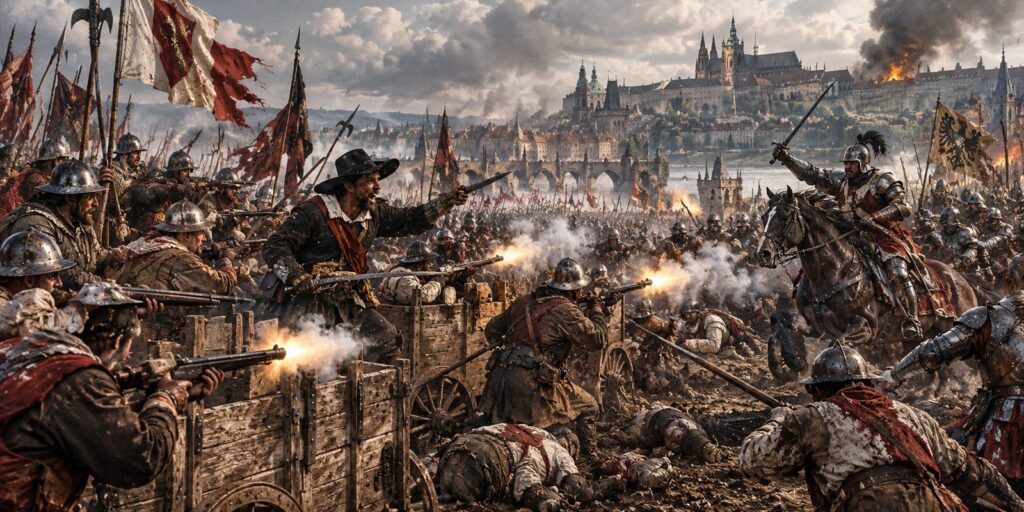
The Thirty Years’ War began in 1618 after the Bohemian Revolt. The Battle of White Mountain in 1620 brought Habsburg victory, strengthening imperial control and triggering severe political and religious repression across the Czech lands.

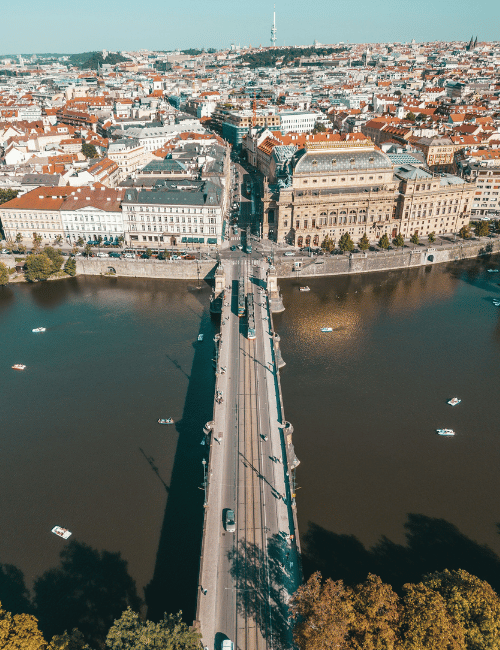
In 1648, Swedish troops captured Prague Castle and Lesser Town but failed to take the Old Town. The Vltava River and Charles Bridge became important defensive positions as local forces fought to protect the remaining parts of the city.

The Prague Uprising began on 5 May 1945, as Czech resistance groups and residents fought German forces. Barricades, radio appeals, and street battles marked the final days before Soviet troops arrived on 9 May 1945.

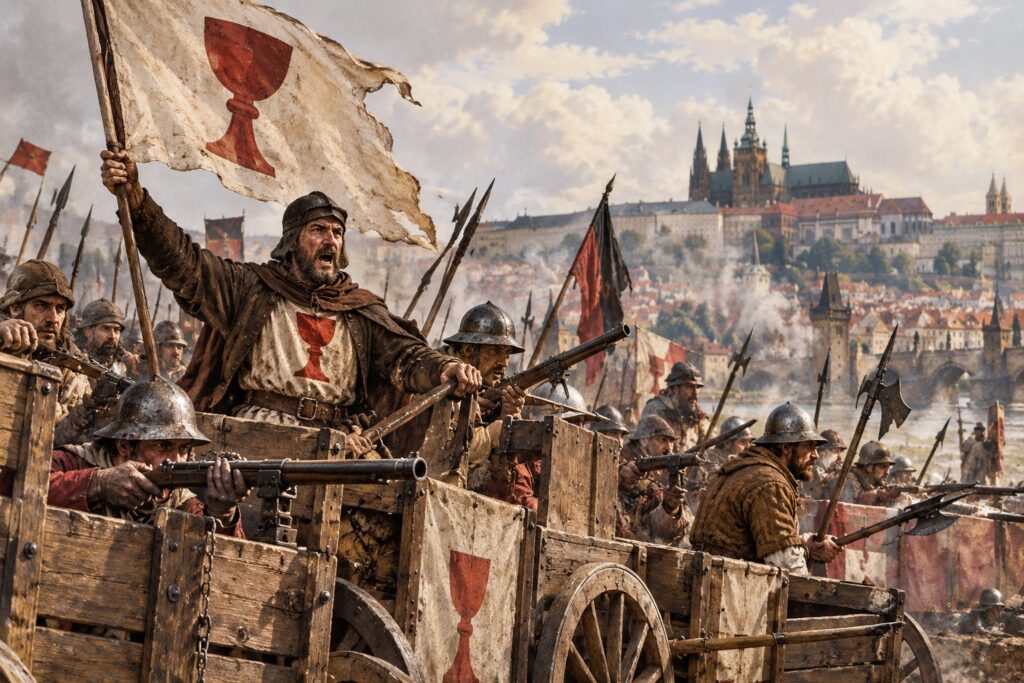
The Hussite Wars began after Jan Hus was executed in 1415 for challenging Church teachings and calling for religious reform. His death intensified tensions over faith, Church authority, and political power, sparking widespread rebellion across Bohemia in 1419.

Foreign powers sought control of Prague because it was Bohemia’s political centre, a strategic crossing on the Vltava, and a symbol of authority. Capturing the city could influence rule across the Czech lands for generations.

Nazi Germany occupied the Czech lands in 1939, turning Prague into the centre of a repressive administration. Residents faced persecution, forced labour, resistance networks, and wartime shortages until liberation finally reached Prague in May 1945.

Prague remembers its wartime past through memorials, museums, plaques, and preserved historic sites. These places honour victims and resistance while helping visitors understand how conflicts shaped the city’s identity and history.